

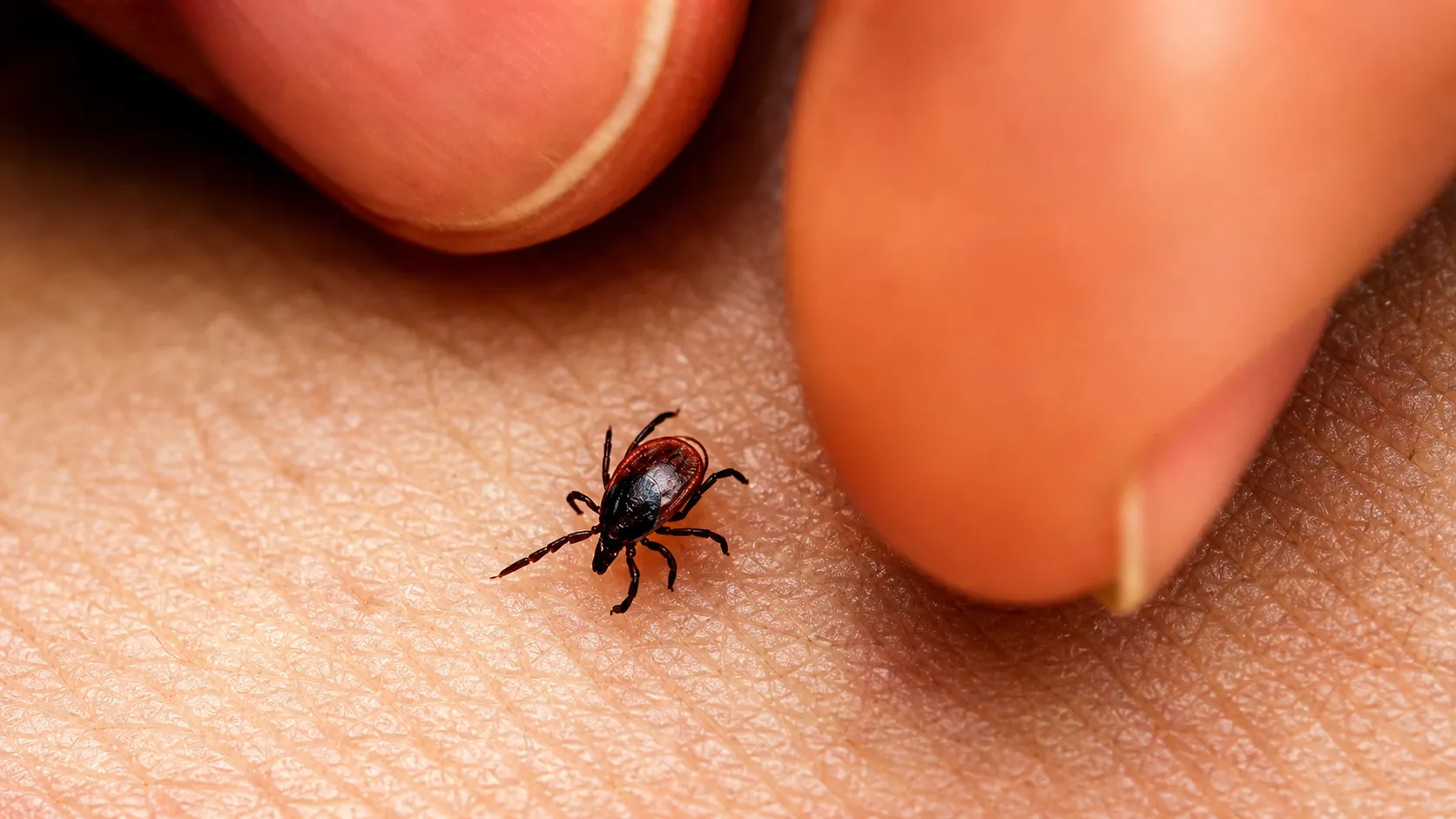
People are being urged to watch for symptoms of Lyme disease after a rare form of the illness was identified in New York for the first time.
Across the US, Lyme disease is estimated to affect around 476,000 people each year. The infection is spread through the bite of an infected blacklegged tick, and it is most common in the Northeast, mid-Atlantic and upper Midwest.
Most cases are linked to Borrelia burgdorferi. A much less common cause is Borrelia mayonii, which until now had only been found in Minnesota and Wisconsin.
But a new report from the Centers for Disease Control and Prevention, released this week, confirmed that a case of B. Mayonii Lyme disease was recorded in New York in July of last year.
The patient was an adult from Herkimer County, and the report noted that the person had not traveled recently before becoming ill.
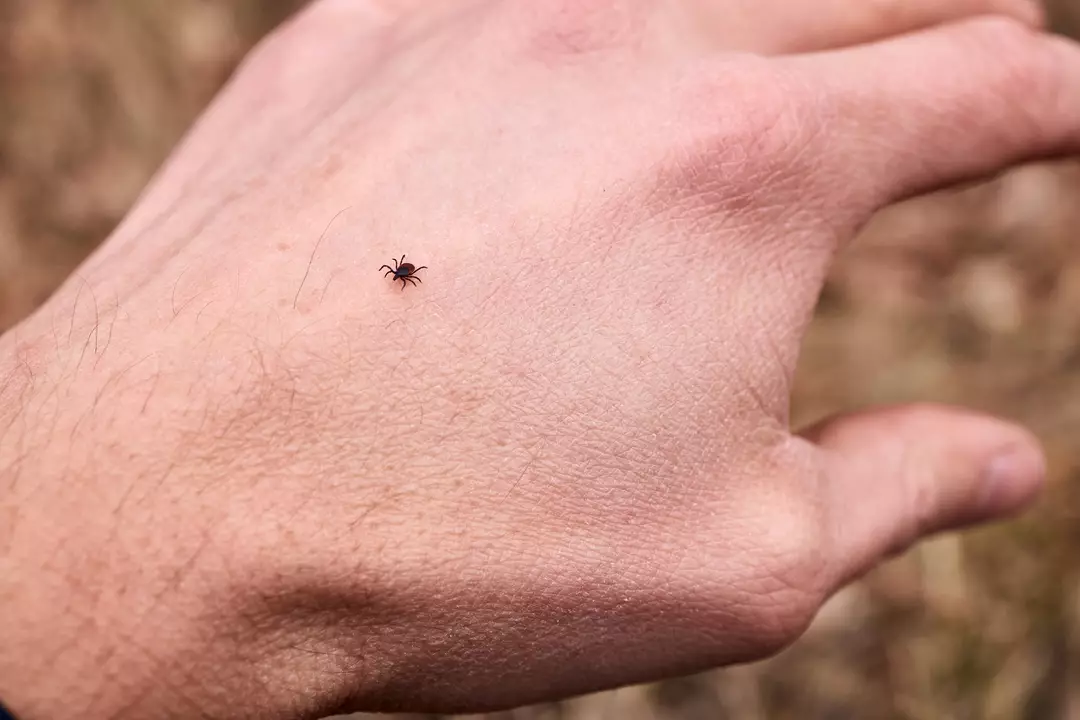
The CDC report said the patient developed symptoms consistent with a tickborne infection in late June 2025 and was also coinfected with Anaplasma phagocytophilum, the bacterium that causes anaplasmosis. The person was treated with doxycycline and made a full recovery.
Investigators later found infected ticks on a wooded property owned by the patient. One blacklegged tick nymph collected from the property tested positive for B. Mayonii, and targeted follow-up sampling identified nine more positive ticks there, pointing to local transmission.
However, a broader review involving 1,518 ticks collected from 24 counties across New York did not uncover any further evidence of the rare strain elsewhere. Outside the Herkimer County property, all additional ticks tested were negative for B. Mayonii, suggesting the finding may be highly localized.
Initial signs of Lyme disease can appear anywhere from three to 30 days after a tick bite. One of the best-known early warning signs is a round rash forming near the site of the bite, often called erythema migrans, although not everyone develops or notices it.
According to the CDC, common early symptoms of Lyme disease include fever, headache, fatigue and the characteristic rash. If the infection is not treated promptly, it can spread to the joints, heart and nervous system.
The Mayo Clinic says the illness develops in three stages.
During the first stage, symptoms can include fever, headache, severe fatigue, stiff joints, muscle pain and aches, and swollen lymph nodes.
In the second stage, those symptoms may continue, while additional problems can appear such as rashes on other areas of the body, neck pain and stiffness, weakness in one or both sides of the face, an irregular heartbeat, pain that begins in the back and hips before moving down the legs, numbness or pain in the hands and feet, swelling in the tissues of the eye or eyelids, and eye pain or even vision loss.
The third stage, often referred to as late disseminated disease, can involve symptoms from the earlier stages as well as complications including arthritis and the skin disorder acrodermatitis chronic atrophicans.
Mayo Clinic adds:
“Pain, swelling or stiffness may last for a long time. Or the symptoms may come and go. Stage 3 symptoms usually begin 2 to 12 months after a tick bite.”
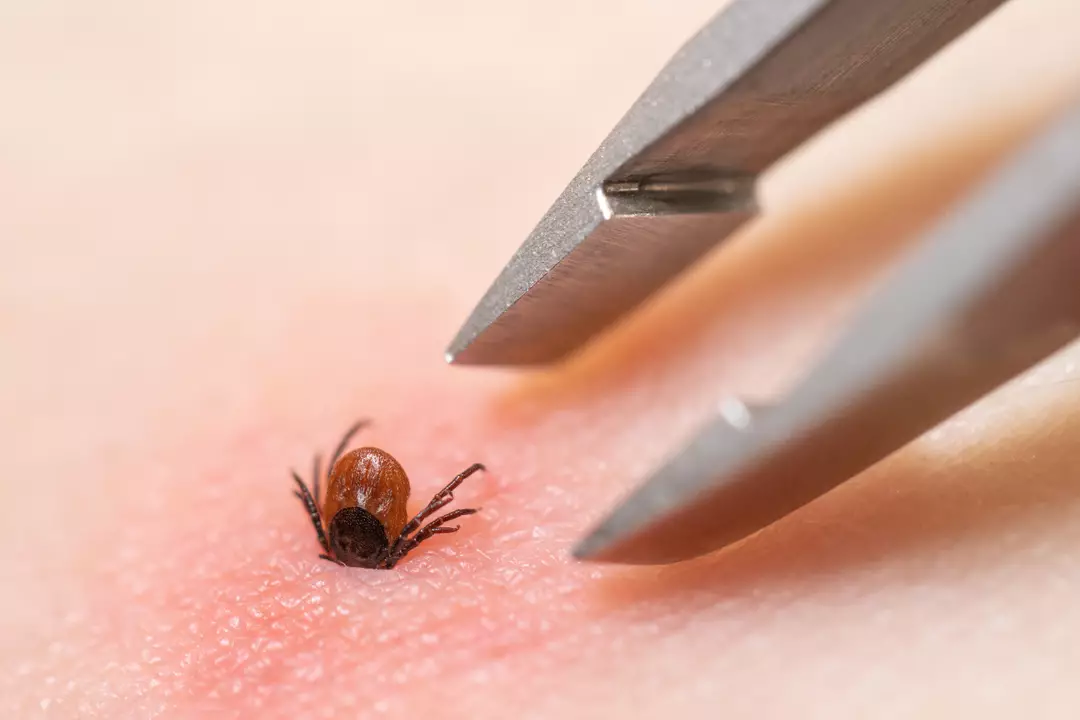
CDC guidance says infected ticks generally need to be attached for more than 24 hours before Lyme disease is transmitted, which is why prompt tick removal is so important. Health officials also recommend using EPA-registered insect repellents, wearing long sleeves and trousers in wooded or grassy areas, checking clothing, pets and skin after being outdoors, and showering within two hours of coming inside.
The agency has also warned that tick exposure can happen year-round, even though ticks are most active during the warmer months from April through September. In May 2026, the CDC said emergency-room visits for tick bites were running higher than usual nationally.
A number of well-known figures have previously spoken about living with Lyme disease, including Justin Timberlake, who discussed the ‘shock’ of his health struggles in July 2025.