

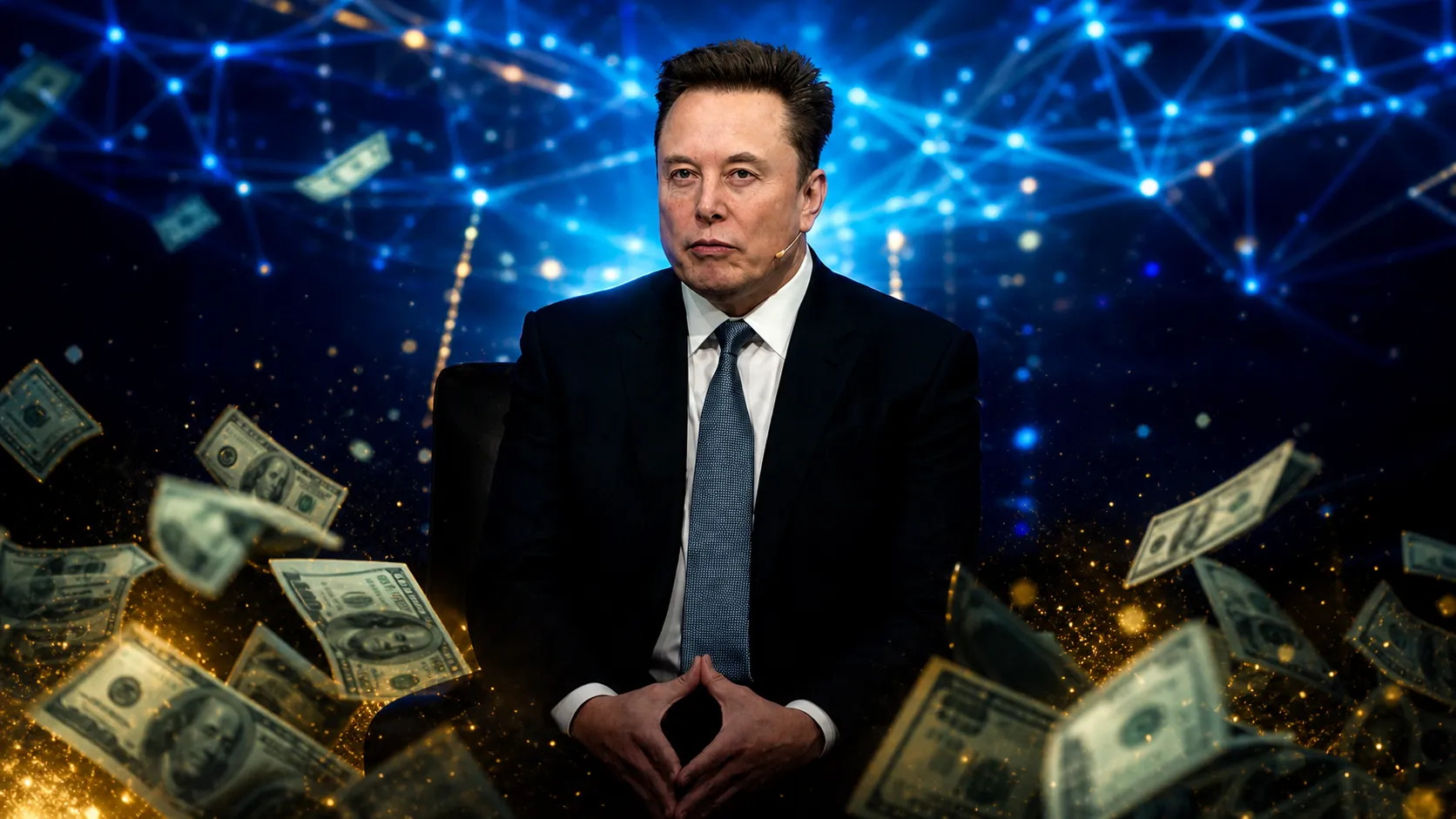
Elon Musk has crossed a threshold no one else ever has, officially becoming the first person in history to surpass a net worth of $1 trillion.
That landmark was reached after SpaceX priced its blockbuster initial public offering at $135 per share on June 11, 2026, raising $75 billion and valuing the company at about $1.77 trillion, the largest IPO on record and the event that pushed Musk’s estimated fortune past the trillion-dollar mark.
Forbes has estimated his wealth at roughly $1 trillion to $1.1 trillion following the listing, a sum so large that it would rank above the annual economic output of most countries.
Trying to picture $1 trillion-plus in real-world terms is difficult, but some comparisons help show the scale.
The global population is now a little over 8.29 billion people.
If Musk gave every person on Earth $100, the total bill would come to about $829.5 billion.
Even using a headline estimate of $1.1 trillion, he would still have roughly $270.5 billion left afterwards, which would likely keep him among the very richest people on the planet. If you use the lower $1 trillion benchmark instead, he would still retain about $170.5 billion.
Oxfam offered a similar example in its recent analysis of Musk’s wealth. Using a $1 trillion benchmark, the group calculated that he would still be left with more than $184 billion after distributing $100 to every person on the planet, based on the population figures and assumptions it used at the time.
It also found that spending $1 million a day without pause would still require 2,740 years to burn through $1 trillion.
Oxfam’s report also argued that Musk now holds more wealth than the poorest 46% of humanity combined, or around 3.8 billion people.
According to the same analysis, his fortune increased by more than $550 billion over the last year, a rise that averages out at just over $1.04 million per minute.
Looking at the wider implications, Oxfam said a 10% tax on a $1 trillion fortune could be enough to eliminate extreme global poverty for a full year and move more than 800 million people above the poverty threshold.
Nabil Ahmed, senior director of economic justice at Oxfam America, was blunt in his assessment.
“Elon Musk’s rise to trillionaire status marks a new pinnacle of oligarchy and a dark day for democracy,” he said. “A trillion dollars in the hands of one man is incompatible not only with an affordable economy, but also with a healthy democracy.”
On paper, the largest portion of Musk’s fortune comes from SpaceX, whose IPO valuation instantly turned his longstanding private-company stake into the biggest component of his wealth. Tesla remains the other major pillar of his fortune, alongside stock options and stakes tied to his wider business empire.
The SpaceX listing was historic in its own right. At $75 billion raised, it comfortably surpassed the previous record for a public offering and immediately placed the company among the most valuable businesses in the world by market capitalisation.
Oxfam has also criticised the structure behind that wealth, noting that a significant share of SpaceX’s business has come from US government work and that Musk’s companies have extensive ties to federal contracts and regulation. It further pointed to reports that Musk has paid little or no federal income tax in some years because of how the US tax code treats unrealised gains and stock-based wealth.
The group additionally said that more than 70% of the agencies targeted by DOGE, which Musk led, had direct conflicts of interest involving his businesses.
Even so, the $1 trillion-plus figure should not be mistaken for cash sitting in an account.
The overwhelming majority of Musk’s fortune is tied up in equity across the companies he controls, so its value can swing sharply with stock prices and private-market valuations. In practice, it could not be converted into cash all at once without affecting those holdings, and some shares or options may also be subject to lock-ups, pledges or other restrictions.
Still, whether viewed as paper wealth or otherwise, no person in recorded financial history has ever been publicly estimated to hold a fortune of this size, and the arguments over what that means for inequality, taxation and political influence are only likely to intensify from here.
SpaceX, Tesla and Elon Musk have been approached for comment.