

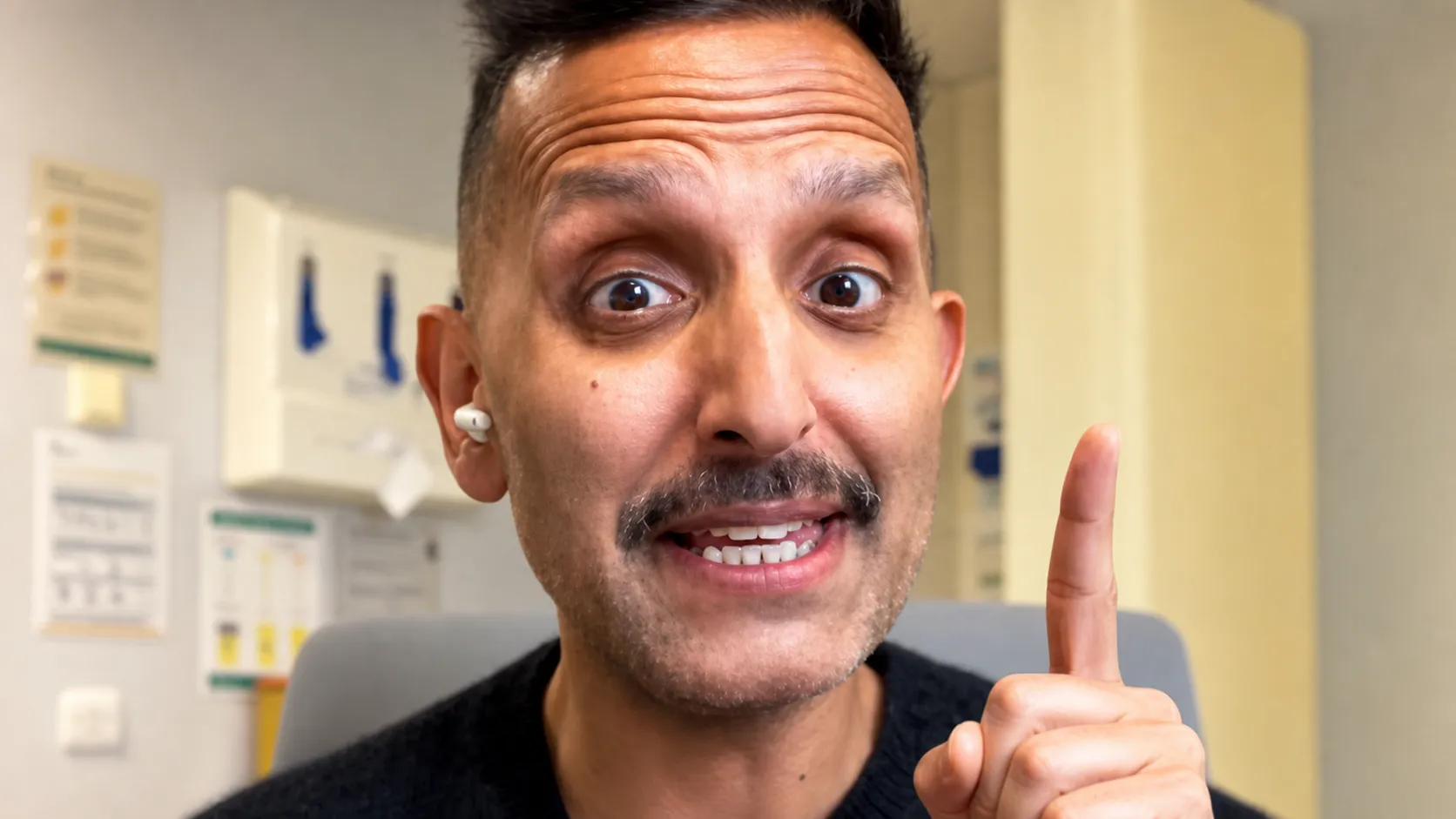
A TV doctor has outlined a simple five-point guide that could help people spot a dangerous skin change early, and it all comes down to remembering the ABCDEs.
Dr Amir Khan discussed the approach on his podcast No Appointment Necessary, which he presents alongside Cherry Healey.
The checklist is used to help people assess whether a mole might be showing warning signs of melanoma, an aggressive type of skin cancer that can become life-threatening if it is not identified quickly.
In the US, melanoma is one of the most commonly diagnosed cancers, and the American Cancer Society estimates around 112,000 new invasive cases each year.
Although it is less common than basal cell and squamous cell skin cancers, melanoma causes most skin cancer deaths because it is more likely to spread to other areas of the body if it is not caught early.
Exposure to ultraviolet light, whether from sunlight or tanning beds, is the main preventable cause. Health officials say anyone can get skin cancer, but the risk is higher in people with lighter skin, a history of sunburns or tanning, lots of moles, a family history of skin cancer, or a personal history of the disease.
As with many cancers, early diagnosis can make a major difference to treatment outcomes. Dermatologists and cancer organisations regularly encourage people to look out for new, changing or unusual marks on the skin rather than focusing only on long-standing moles.
Dr Amir said people can use the ABCDE criteria, a well-known medical tool for checking moles, to know what deserves closer attention.
Here is how each letter works.
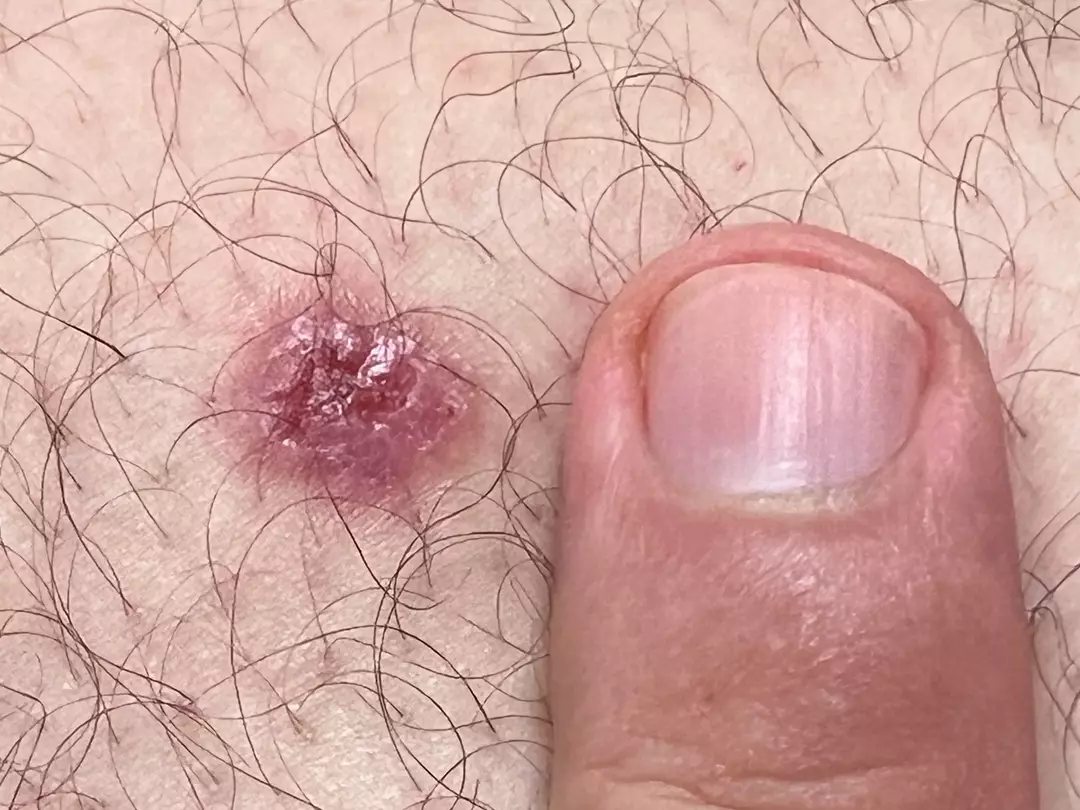
A stands for asymmetry. In simple terms, that means checking whether both halves of the mole look similar.
Dr Amir explained: “If it is asymmetrical, that’s slightly more worrying. If it’s symmetrical, less worrying.”
If a mole would not look roughly even if split down the middle, that may be a reason to get it checked.
B is for border. This means examining the outline of the mole and seeing whether the edge looks smooth and well defined or uneven and irregular.
“If the border of your mole is regular, nice and smooth, less worrying,” he said. “If it’s irregular, more worrying.”
Edges that appear jagged, blurred, scalloped or notched can be a sign that a mole should be reviewed by a professional.
C refers to colour. A mole with one consistent shade is usually less concerning than one that contains a mix of colours.
“If it changes colour in parts of it, more worrying,” Dr Amir said.
If a mole includes multiple tones, such as brown, black, red, white or blue, it is worth raising with a doctor.
D is for diameter. Size can also matter when assessing a mole.
Dr Amir said moles measuring under half a centimetre are generally less concerning, while those larger than that should be watched more carefully or medically assessed.
Dermatology guidance often uses 6mm, about the size of a pencil eraser, as a useful reference point. However, experts also stress that melanomas can be smaller than that when diagnosed, so size alone should never be used to rule out a problem.
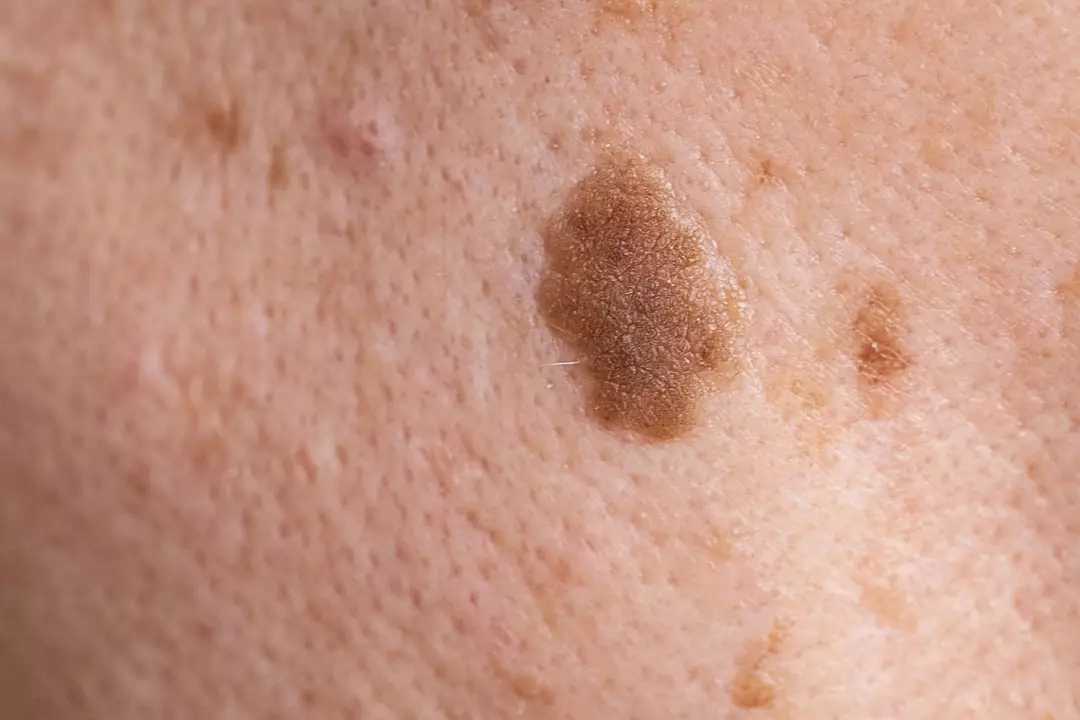
E stands for evolving, which Dr Amir highlighted as one of the biggest red flags.
Any mole that begins to grow, alter in shape or shade, become itchy or start bleeding should be checked as soon as possible.
“Has it changed, has it grown, has it become itchy, has it bled, has it evolved over time? That is more worrying,” Dr Amir said.
Doctors also advise paying attention to a spot that simply looks different from the rest, sometimes called the “ugly duckling” sign, even if it does not tick every ABCDE box.
The overall advice is straightforward: do not ignore suspicious changes.
The earlier a potentially cancerous mole is examined, the better the chances of finding it at a stage where treatment is more effective. If you are unsure, make an appointment with your doctor or a dermatologist.
Dr Amir added: “Generally, if there’s two or more of those things going on in that ABCDE I would send that person to a dermatologist to, to have it looked at.”
There are also practical ways to lower the risk of skin cancer in the first place. Public health advice includes limiting UV exposure, avoiding tanning beds, seeking shade when the UV index is high, wearing protective clothing and sunglasses, and using broad-spectrum sunscreen.
Experts say skin checks are especially important because UV damage builds up over time, and skin cancer can affect people of all skin tones, even though warning signs may look different depending on the person.