

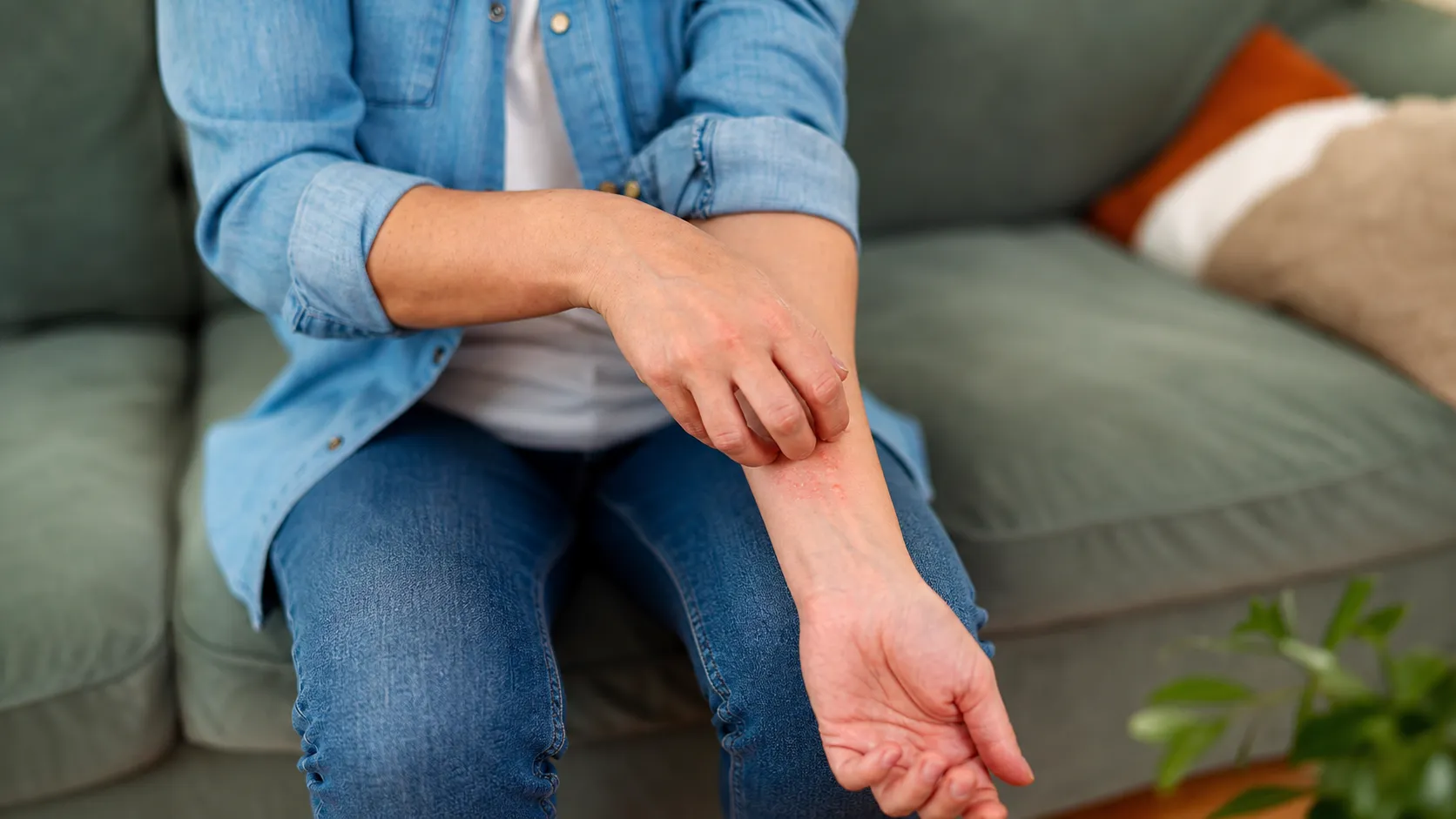
Tiny, intensely itchy blisters on your fingers or across your palms that eventually split, peel, and then come back again weeks later can be a sign of a real skin condition rather than a random irritation.
That condition is pompholyx, which is also referred to as dyshidrotic eczema. Although it makes up an estimated 5% to 20% of hand eczema cases, plenty of people dealing with it still have no idea what it is called.
It often follows a repeating pattern. Small skin-coloured bumps show up on the fingers or palms, the itching becomes extreme, fluid may leak out, and then the blisters break. After that, the skin is left dry, flaky, and sometimes painfully cracked.
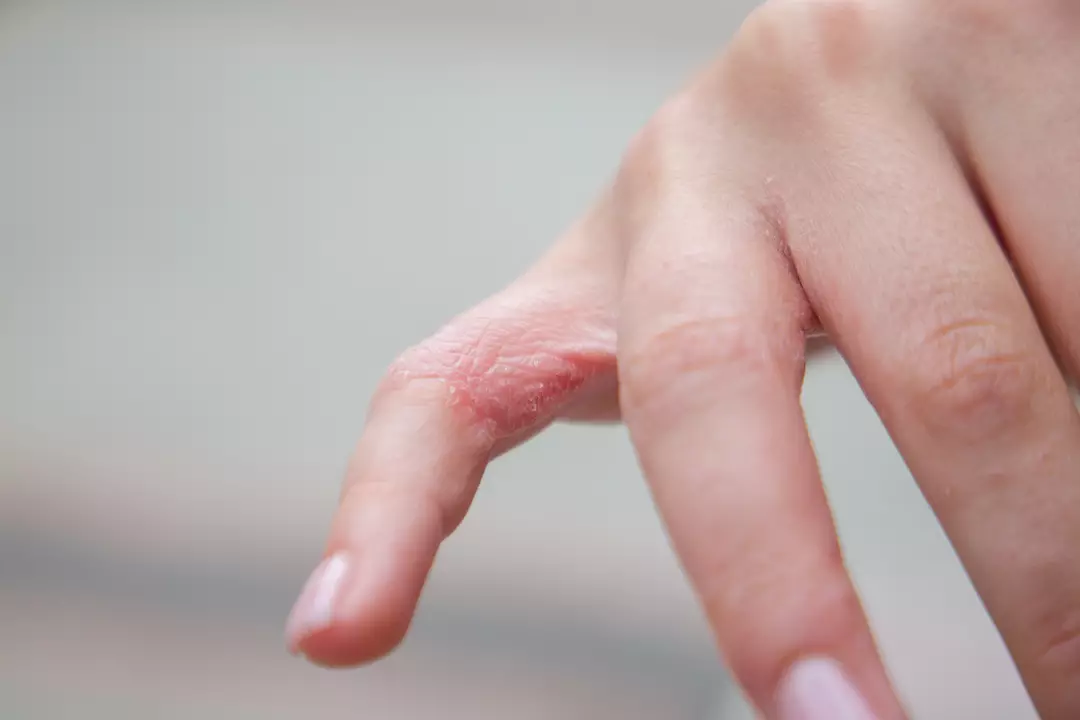
Episodes usually settle over a few weeks, but recurrence is common, and repeated flares can leave the skin red, thickened and sore over time.
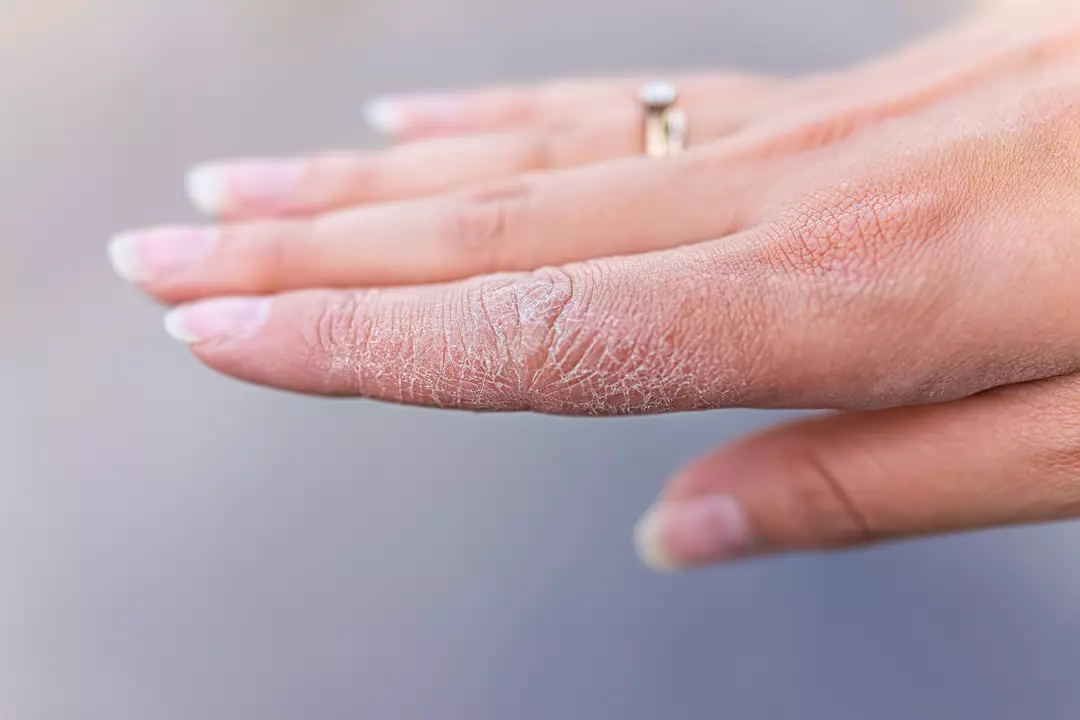
Pompholyx causes groups of very small, fluid-filled blisters to develop on the hands and sometimes the feet. It tends to affect the sides of the fingers, the palms and, in some people, the soles of the feet, and it often appears on both sides of the body.
The blisters are described by Harvard Health as having a “tapioca-like” appearance, and the itching can be severe enough to appear before the blisters are even visible.
The National Eczema Society says it can develop at any age, but it is most often seen in adults under 40 and appears more commonly in women. About half of those affected either have atopic eczema themselves or have a family history of it.
Doctors do not yet know the exact cause, but several triggers are commonly linked to outbreaks. These include stress, sweating heavily, hot or humid weather, exposure to metals such as nickel or cobalt, and contact with irritating substances including soaps, detergents, shampoos and cleaning products. People whose hands are repeatedly wet or exposed to chemicals at work, including hairdressers, cleaners, healthcare staff and metalworkers, may be at greater risk.
It can also overlap with other skin problems, including fungal infection, which is one reason specialists say it is important not to self-diagnose. Because the rash can resemble hand, foot and mouth disease or other causes of blisters on the hands and feet, it is best to get it checked by a doctor if you think this might be what you have.
There is currently no cure for pompholyx, so treatment is usually focused on long-term control rather than permanently getting rid of it.
Harvard Health advises washing with lukewarm water rather than very hot or very cold water, swapping regular soap for an emollient or soap substitute, and using protective gloves, preferably cotton-lined, when handling products such as shampoo, detergent, or cleaning solutions. Dermatologists also recommend removing rings before washing because soap, water and irritants can get trapped underneath and worsen the skin.
If the feet are involved, breathable socks such as cotton are often recommended, and changing socks regularly can help if sweating is a trigger. Well-fitting leather or other breathable footwear is generally preferred over occlusive plastic shoes.
When the skin is weeping or oozing during a flare, soaking in potassium permanganate solution may help ease symptoms. However, this is not something to improvise at home without advice, as it needs to be properly diluted, is for external use only, and can stain the skin and containers.
Emollient moisturisers are a first-line treatment and can be useful throughout the condition, especially once blisters have burst and the skin becomes dry and cracked. Many specialists advise thicker, fragrance-free creams or ointments rather than lotions, because lotions can sting and may be less effective at protecting the skin barrier.
That stage is particularly important to manage carefully, because the risk of infection increases once the skin barrier has been damaged. Warning signs include worsening pain, spreading redness, heat, swelling, pus, yellow crusting or feeling unwell.
Doctors may prescribe steroid creams or ointments to calm the inflammation and itching, although these are generally used only for short periods. If symptoms are more serious or keep coming back, a dermatologist may consider stronger topical treatments, light therapy, oral medicines, injections, or patch testing to check for a contact allergy such as nickel or cobalt sensitivity.
One of the most effective ways to manage the condition is to work out what seems to trigger it for you personally and then try to avoid that cause, whether it is stress, sweaty hands, a certain cleaning product, or repeated contact with a metal. Keeping hands moisturised, limiting contact with irritants and protecting the skin early in a flare can all help reduce how bad episodes become.
You should see a doctor if your symptoms seem consistent with pompholyx, if the blisters are severe or keep recurring, if home care is not helping, if only one hand or foot is affected, if you think the skin may be infected, or if you notice any other changes that worry you.