


A psychologist has shed light on what is known as an ‘elimination murder’ as Netflix brings renewed attention to the shocking crimes of Taylor Parker in a new documentary.
Maternal Instinct, which premiered on Netflix in 2026, revisits the October 9, 2020 killing of 21-year-old Reagan Simmons-Hancock in New Boston, Texas. Prosecutors said Parker, then 29, murdered the pregnant young mother and cut her unborn daughter, Braxlynn, from her womb.
In November 2022, a Bowie County jury convicted Parker of capital murder, and she was sentenced to death. Her conviction and sentence were upheld on direct appeal by the Texas Court of Criminal Appeals on November 6, 2025. Court filings also show that further post-conviction proceedings are still pending, meaning Parker remains on death row while the case continues through the appeals process.
The documentary also includes Wade Griffin, Parker’s former boyfriend, speaking publicly about the case for the first time. He claims Parker pretended to be pregnant for months before killing Simmons-Hancock, who investigators later said suffered 113 sharp-force injuries, including 15 stab wounds and 98 incised wounds.
In court, judges said the attack had been carefully planned and pointed to evidence that Parker had spent months trying to secure a baby she could present as her own. Prosecutors argued that the killing was tied to an elaborate deception about pregnancy and childbirth.
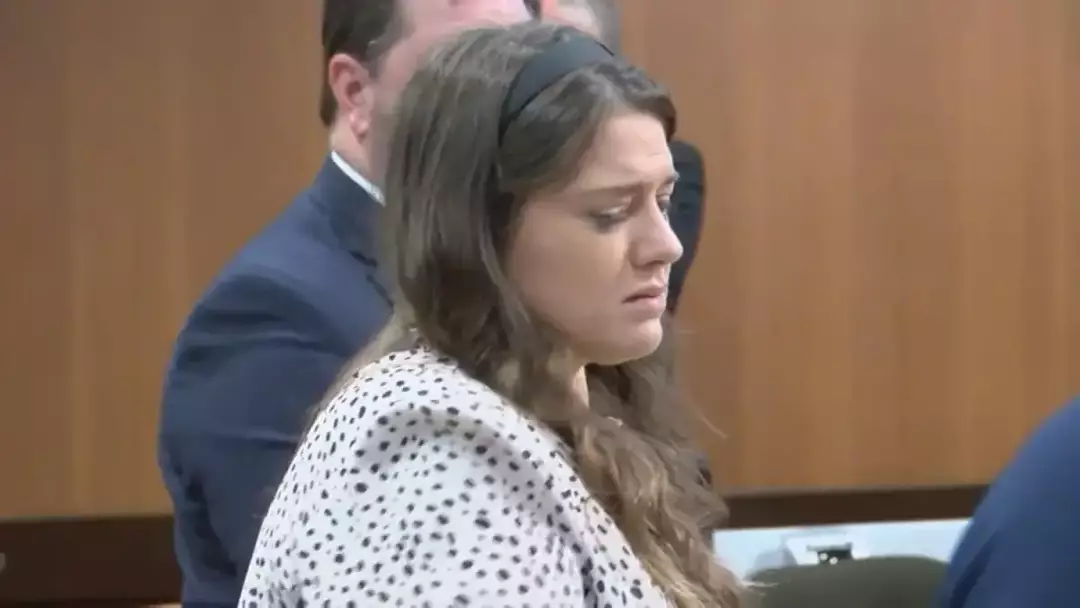
Forensic psychologist Gary Brucato discussed the kind of killing he believes took place on October 9, 2020.
“There’s a phenomenon called elimination murder, where you have no hard feelings toward the person but they are in the way of something you want,” he said, speaking with the Guardian.
Although fetal abduction cases are extremely uncommon, they have occurred before. Forensic researchers reviewing US cases reported to the National Center for Missing and Exploited Children identified 15 cases of fetal abduction by maternal evisceration between 1987 and 2011, underscoring just how rare the crime is.
More recent academic reviews have continued to describe these cases as statistically rare but highly planned, with offenders often targeting pregnant women they know personally or have deliberately identified in advance.
Brucato also explained the psychology he believes can drive these crimes.
“You find a person who is trying to assert predictability into a relationship where they think they think they wouldn’t be able to live without their partner.
“Their sense is that they would become a catch to this person if [they] could just have a child.”
Researchers who have studied fetal abduction cases say they frequently involve sustained deception, fantasy-building and efforts to preserve a relationship or social image. In Parker’s case, court records said she had previously undergone a hysterectomy after complications from an ectopic pregnancy and later asked multiple friends about becoming surrogates because she still wanted more children.
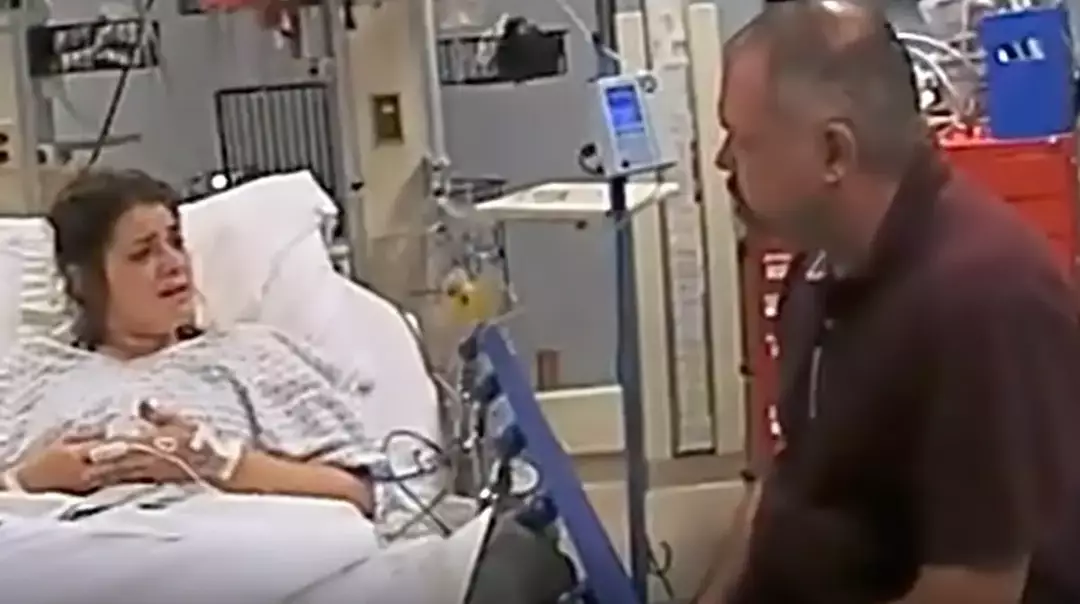
He went on to say that murders of this nature are usually meticulously organized.
According to that view, the offender prepares the crime in a way that reduces the chance of getting caught while protecting a lifestyle or concealing earlier deception.
That assessment broadly matches findings from forensic studies, which describe fetal abduction killings as planned homicides rather than spontaneous acts, with preparation often focused on obtaining a live baby and creating a believable birth narrative afterward.
In the documentary trailer, Griffin reflects on the horror of the case.
“It was unimaginable what she did, I don’t even know how to explain it.”
Authorities said Parker was stopped by an Oklahoma state trooper after driving erratically on the day of the killing. Trial evidence showed first responders found an umbilical cord hanging from her clothing and a baby who was unresponsive in the vehicle.
Once she reached the hospital, medical staff determined there was no evidence Parker had recently given birth. Doctors testified that Braxlynn was delivered at about 35 weeks’ gestation and initially showed signs of life, but she later died.
Griffin later said Parker already had two children and had undergone a hysterectomy in 2016, meaning she could not become pregnant afterward. Court records say she later used that inability to conceive as part of efforts to seek a surrogate, while prosecutors argued she also used a fake pregnancy to keep up appearances in her relationship.