

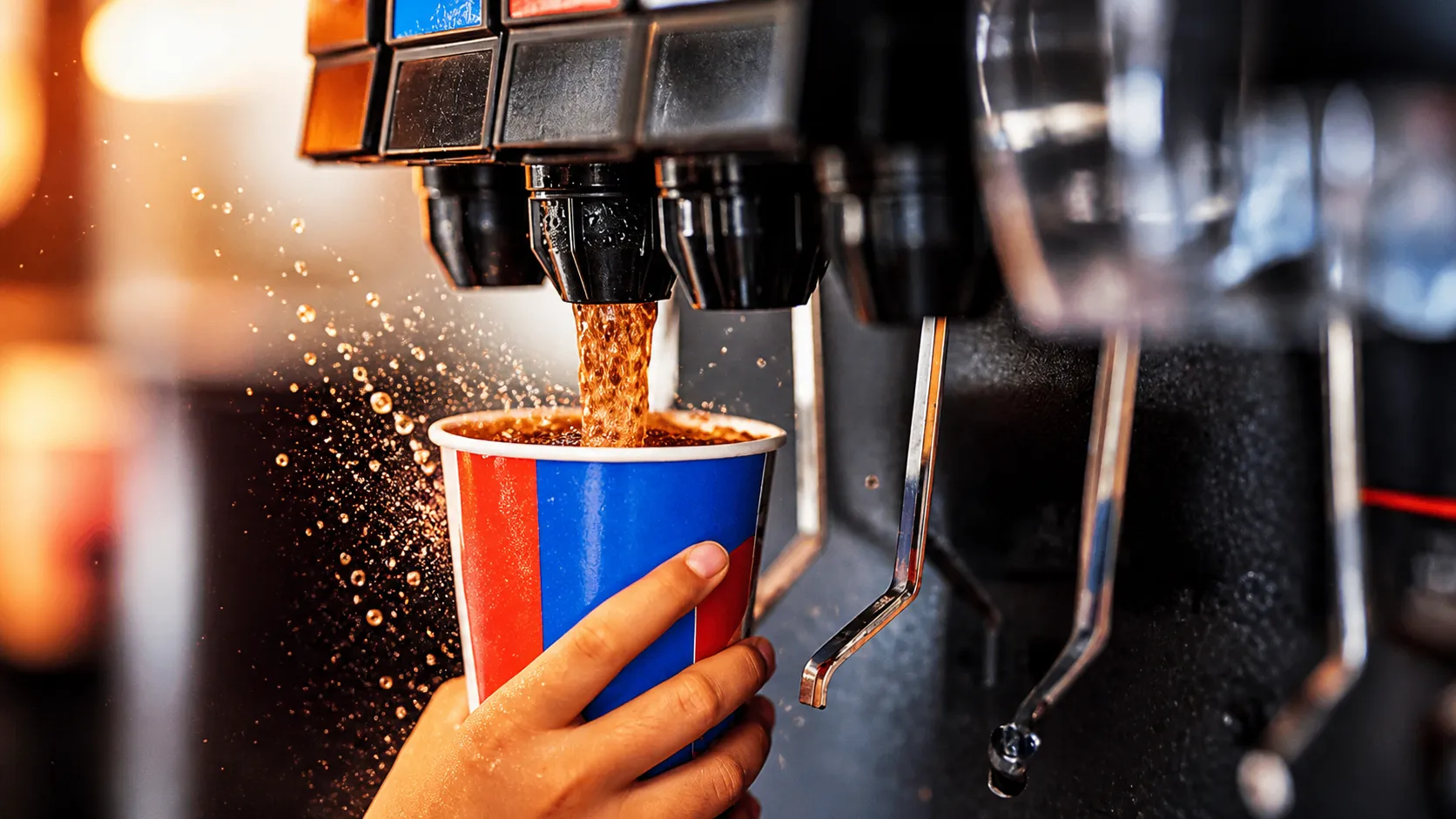
As social media continues to fuel unusual food and drink crazes, health experts are once again raising concerns about a trend they say could come with serious risks.
The latest one under scrutiny is the “dirty soda” craze, which has been spreading widely online and turning up on more menus across the US.
Despite the name, the concern has nothing to do with cleanliness. Instead, doctors and dietitians are focusing on the very high amounts of added sugar and calories found in some versions of the drink, especially when large sodas are combined with flavored syrups, creamers and sweet toppings.
The trend first took off in Utah around 2010, before becoming far more widely known over the past few years thanks to TikTok and other online platforms.
According to Eater.com, the drinks are made from a mix of soda, coffee creamer and flavored syrups. The concept was originally linked to Utah’s culture, particularly among people avoiding alcohol and caffeine, and it later reached a wider audience through The Secret Lives of Mormon Wives.
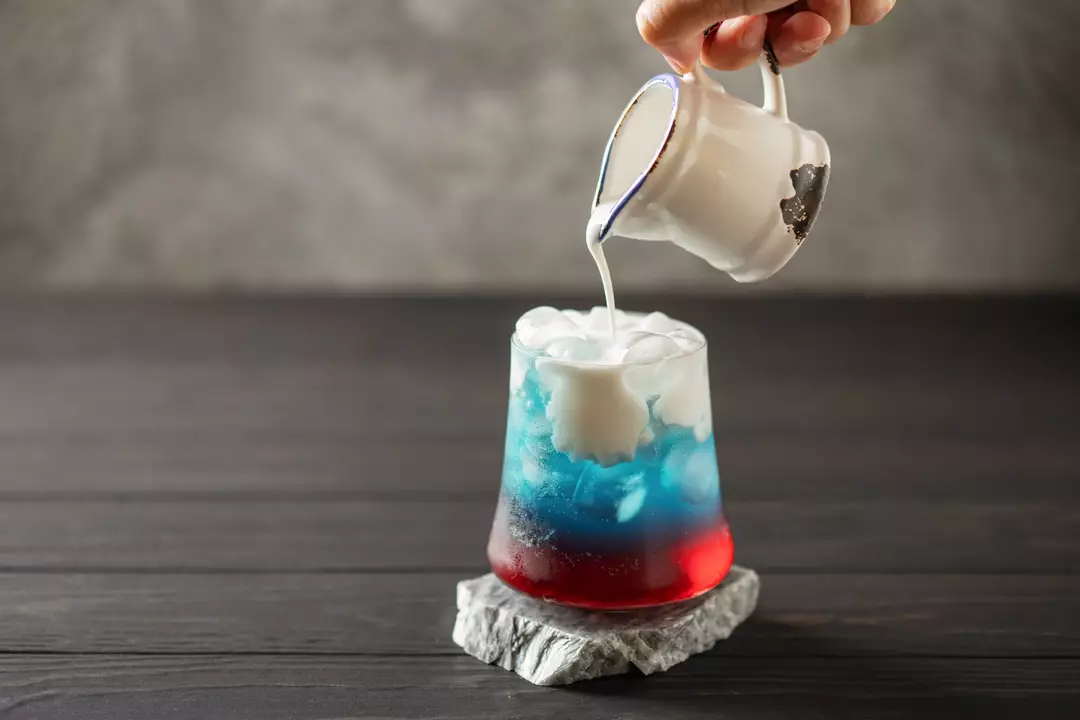
Utah-based chain Swig, which is widely credited with helping popularize dirty soda, was founded in 2010, and similar drinks have since spread well beyond specialist soda shops. Several fast food chains in the US have added their own versions to menus, but some medical professionals are strongly against the idea. Dr. Mark Hyman even argued in a social media post that the drinks should “be illegal.”
“Their new ‘dirty soda’ contains 186 grams of sugar, the equivalent of eating 19 Krispy Kreme donuts. This is a metabolic disaster and should be illegal.”
Not every dirty soda reaches that extreme, but nutrition experts say many still pack enough sugar to rival or exceed a full dessert. Fox News Digital recently reported that some dirty sodas can contain roughly 250 to 400 calories and about 55 to 70 grams of sugar in a single serving, depending on the size and add-ins.
Other specialists have also described the drink as less of a soft drink and more of a sugary indulgence.
“It’s more like a dessert beverage than a soft drink, even if people use diet soda as the base,” New Jersey-based registered dietitian Erin Palinski-Wade said.
That distinction matters because health guidance on sugar is already quite strict. The American Heart Association says most women should aim for no more than 25 grams, or about 6 teaspoons, of added sugar per day, while most men should stay under 36 grams, or about 9 teaspoons. By that measure, a single large dirty soda can easily push someone past a full day’s recommended limit.
She also warned that the drinks may be particularly problematic for people living with prediabetes, diabetes or insulin resistance.
Dr. Marc Siegel, Fox News senior medical analyst, has voiced similar concerns, cautioning that repeated consumption of sugar-heavy drinks can condition the brain to “seek repeated dopamine and endorphin releases,” potentially reinforcing addictive habits.
Over time, he said, that pattern may contribute to a greater risk of chronic illnesses including diabetes, heart disease and obesity. Public health agencies have long warned about sugary drinks more broadly: the US Centers for Disease Control and Prevention says sugar-sweetened beverages are a leading source of added sugars in the American diet and are associated with weight gain, obesity, type 2 diabetes, heart disease, non-alcoholic liver disease, tooth decay and gout.
Global guidance is similar. The World Health Organization recommends reducing free sugars to less than 10 percent of total energy intake for both adults and children, and says cutting that figure to below 5 percent would offer additional health benefits.

Palinski-Wade added that anyone tempted to try one should treat it as an occasional indulgence rather than a regular habit, and suggested choosing a smaller size or a diet soda base where possible.
Even then, using diet soda does not automatically make the drink healthy. It may lower the sugar content, but creamers, syrups and toppings can still add significant calories, while the sweet taste may keep some people accustomed to highly sweetened drinks. Health experts generally advise paying attention to the full ingredient list rather than assuming a “diet” base solves the problem.
Warnings about sugary drinks more broadly have also been making the rounds. Dr Jeremy London previously described sodas as “liquid death” in a social media post.
“Just don’t drink them, period, done,” he said in a social media post.
He later softened that stance during an appearance on TODAY, explaining that his earlier wording was partly meant to draw attention.
“I think that soft drinks are just a scourge in our society, and so I was really trying to get some attention,” he said. “Obviously, high-calorie soft drinks and ingesting a lot of calories that people don’t realise they’re getting with the sugar-based soft drinks is a big no-no,” he added.
For people who still want the flavor without such a heavy sugar hit, dietitians often recommend simple swaps such as ordering the smallest size, asking for fewer syrup pumps, skipping whipped toppings, or choosing sparkling water with a splash of juice or cream instead of a full-sugar soda base.
Anyone worried about how these drinks could affect their health should speak with a doctor or registered dietitian.