

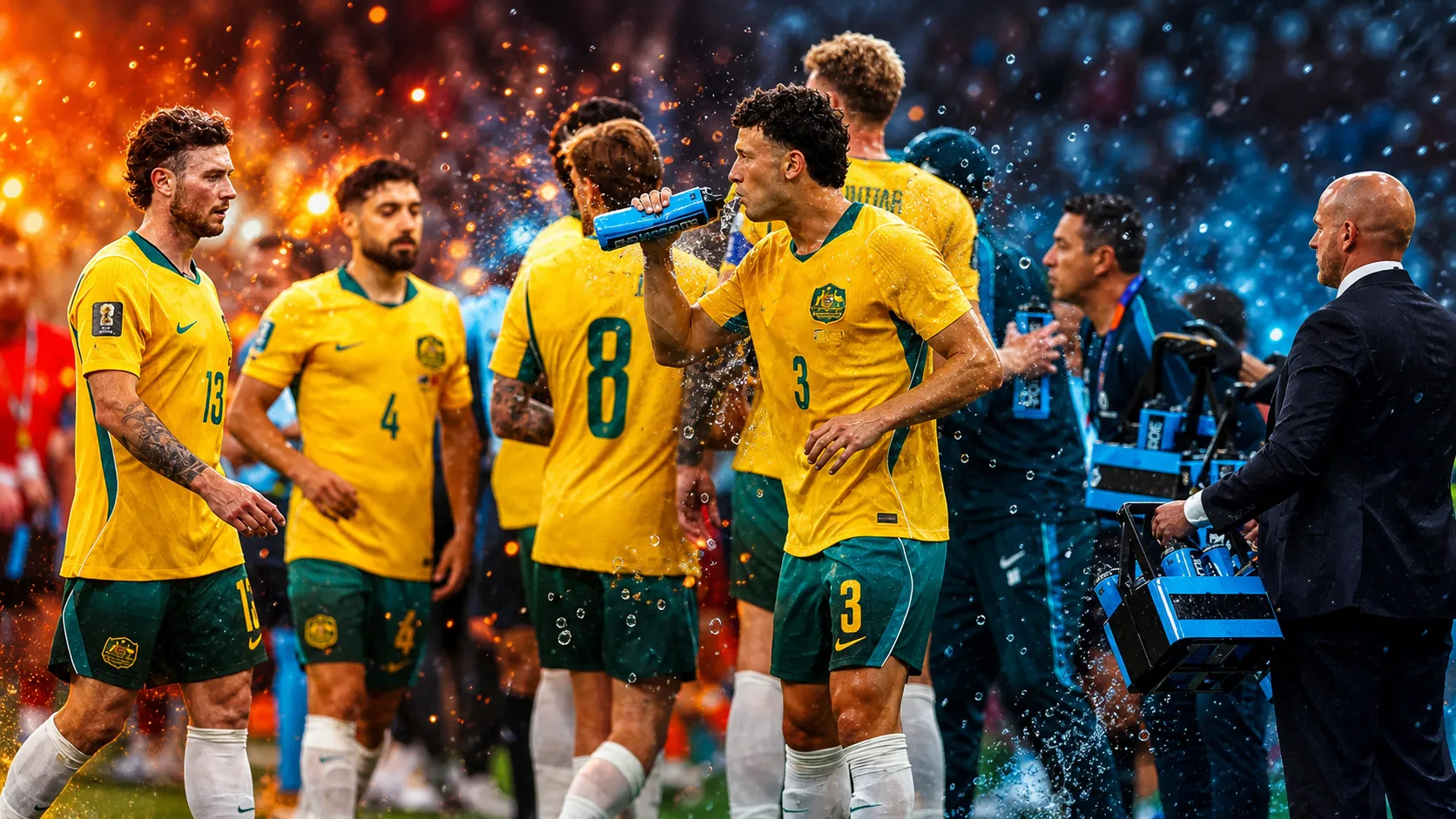
FIFA’s decision to bring hydration breaks into the 2026 World Cup has sparked debate, even though the measure was introduced with player welfare in mind.
Back in December 2025, FIFA confirmed that every match at the 2026 World Cup in the United States, Canada and Mexico would include a three-minute hydration break in each half, with the referee stopping play around the 22-minute mark regardless of weather conditions. The governing body said the move was designed to protect players and create the same conditions for every team, even in venues with roofs or air-conditioning.
“The use of hydration breaks is part of a focused attempt to ensure the best possible conditions for players, drawing upon the experiences of previous tournaments, including the recent FIFA Club World Cup, which took place in the United States last summer,” they said in a statement.
Even so, not everyone is convinced the breaks are necessary across the board. Some supporters have pointed out that several stadiums feature retractable roofs and air-conditioning systems, raising doubts over whether every match really requires the same treatment.
There has also been skepticism around fixtures in cooler locations such as Seattle, where fans argue the weather conditions are far less severe than in other host cities. FIFA’s schedule still applies the same break structure in all 104 matches, which has only intensified the row over whether the policy is about player safety, broadcast logistics, or both.
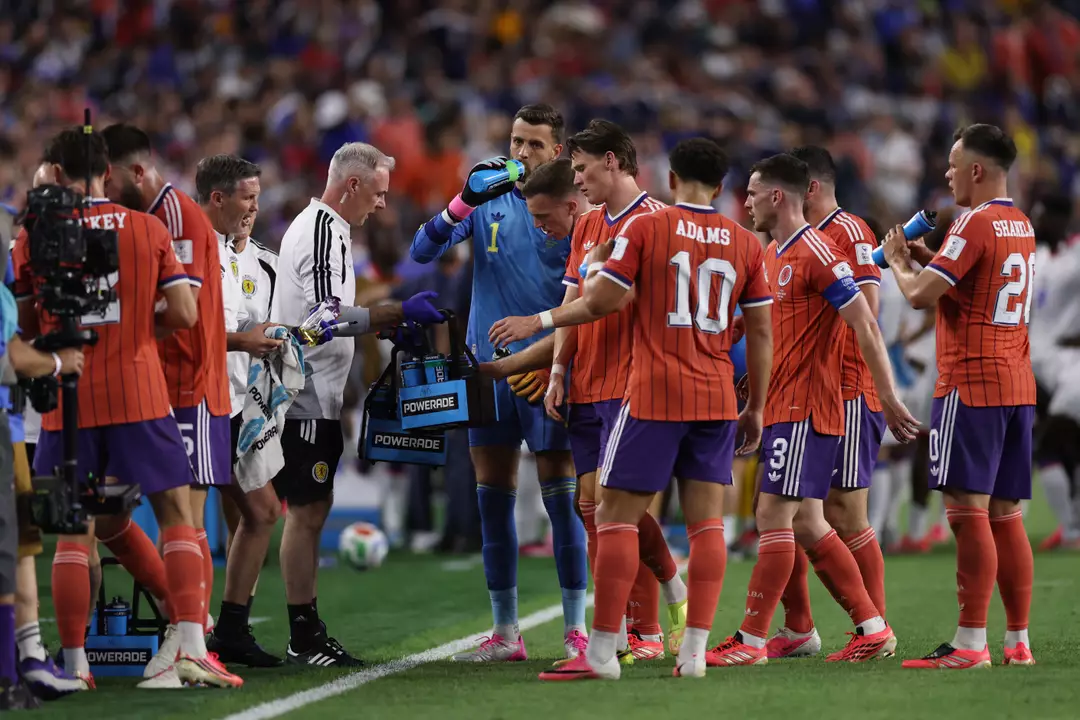
Despite the criticism, hydration pauses have been used in every World Cup match since the tournament began, arriving at the 22-minute mark in both halves.
The stoppage lasts three minutes, giving players a chance to take on fluids while also offering coaches time to pass on tactical messages. FIFA has also told broadcasters they must be ready to return to live action before play resumes, after criticism that US television coverage has used the intervals for commercial breaks.
For some fans, that format makes the sport feel closer to an American-style event, effectively breaking the game into four sections rather than allowing it to flow naturally.
Jürgen Klopp has been among the most vocal critics of the policy, arguing in a recent interview that the sport is losing control of its own rhythm.
“Football is being held hostage by executives ensconced in air-conditioned offices,” he told German broadcaster ZDF.
“When I saw the players just standing there during a heat break while TV timeouts dictated the rhythm of the match, I couldn’t help asking myself: ‘Who does the World Cup really serve? The fans? The players? Or the advertisers?’

“A World Cup match should flow like a river. Instead, we build dams right in the middle so commercials can get through.”
Klopp concluded: “Football used to be the main event, but now it risks becoming the background music to an advertising show.”
The controversy has only grown because some US broadcasters have used the stoppages to run commercials, with Fox Sports drawing criticism during Mexico’s opening-day meeting with South Africa.
When play restarted after a second-half water break, Fox was still airing an Adidas commercial, leaving many soccer supporters frustrated. The broadcaster later said it had not realised the break had been called in that moment, and FIFA has not announced any sanction over the incident.