

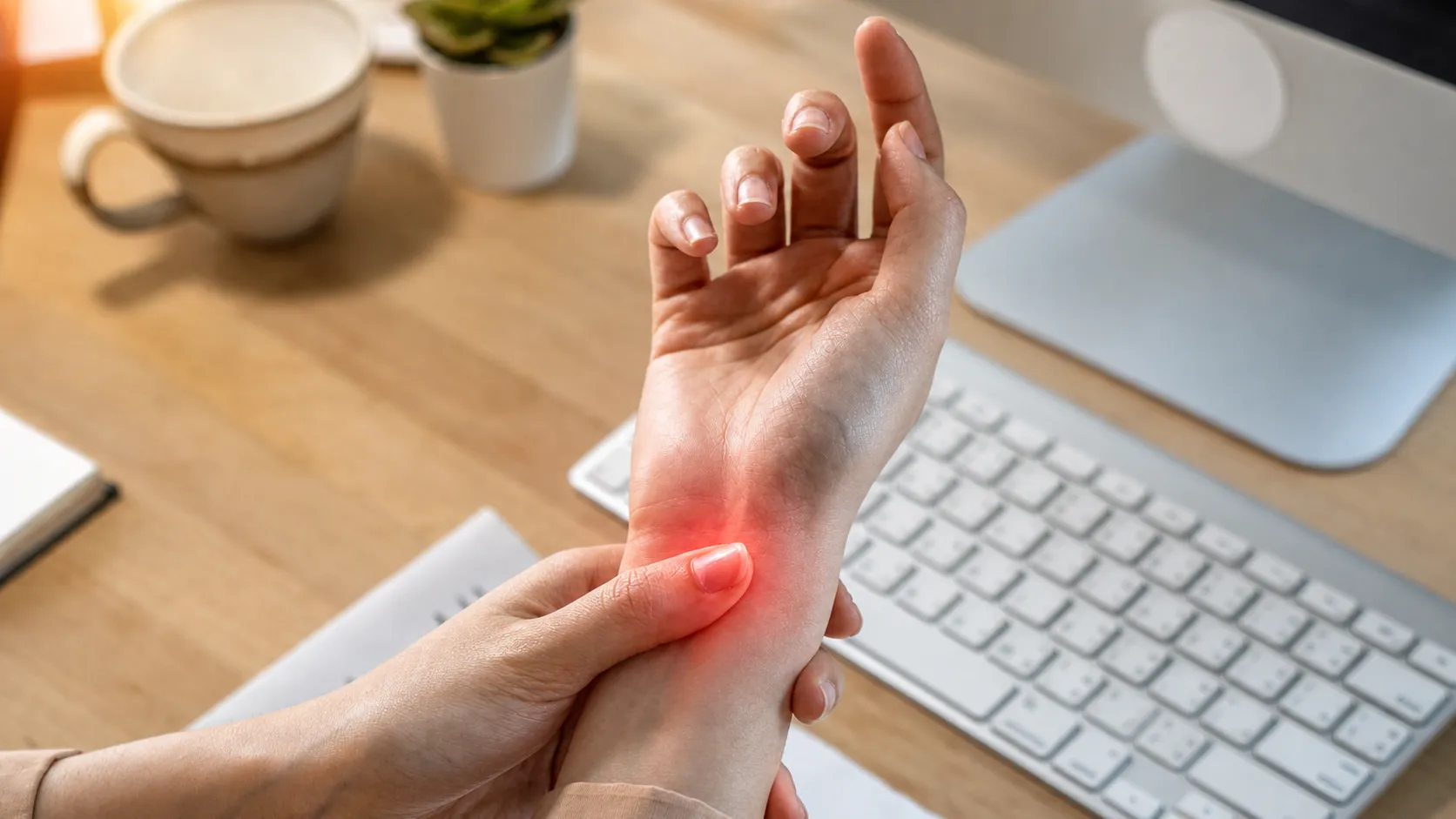
Medical specialists say a quick self-check sometimes used in clinics may offer a clue about a person’s risk of a hidden aortic aneurysm — but it is not a diagnosis, and it should never replace proper medical screening.
An aortic aneurysm happens when part of the aorta, the body’s largest artery, becomes weakened and bulges outward. Aneurysms can occur in the chest, where they are called thoracic aortic aneurysms, or in the abdomen, where they are called abdominal aortic aneurysms.
The reason doctors take them seriously is that they often develop quietly. Many people have no symptoms until the aneurysm is found by chance during imaging or until it becomes dangerous.
That danger is real: if an aneurysm ruptures or triggers an aortic dissection, it is a medical emergency. Warning signs can include sudden, severe chest, back, abdominal, neck, or shoulder pain, sometimes described as tearing or stabbing, as well as fainting, shock, or shortness of breath.
Emilia Clarke, known for her role in Game of Thrones, has previously spoken about her own experience, highlighting how severe the condition can be.
Risk is higher in people with high blood pressure, a history of smoking, older age, and certain inherited connective tissue disorders such as Marfan syndrome, Ehlers-Danlos syndrome, and Loeys-Dietz syndrome. Family history also matters, and some people with a bicuspid aortic valve are at increased risk of thoracic aortic disease.
For abdominal aortic aneurysm, U.S. Screening guidance recommends a one-time ultrasound for men ages 65 to 75 who have ever smoked. People with strong risk factors or a known connective tissue disorder may need different surveillance based on their doctor’s advice.
One quick self-check people talk about is known as the ‘thumb test’ — but how could it relate to aneurysm risk?
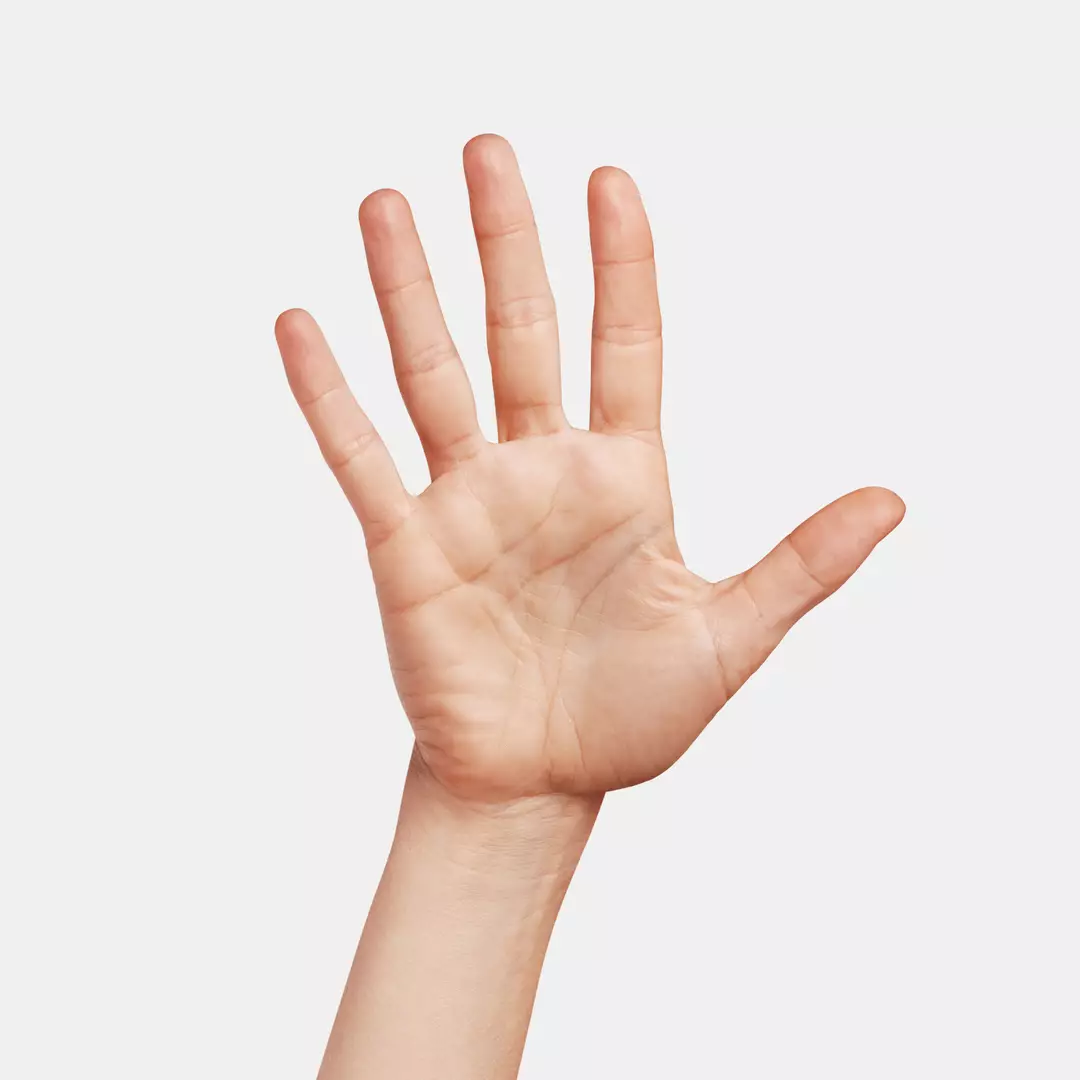
The idea is linked to flexibility. Increased joint mobility, sometimes called joint laxity, can be seen in some connective tissue disorders that are associated with a higher risk of aortic disease.
Among those are connective tissue disorders such as Marfan syndrome and Ehlers-Danlos syndrome, both of which can raise the risk of aortic aneurysm.
So what exactly is involved in the thumb test?
Speaking to the outlet, preventative cardiologist Dr. Tracy Paeschke said: “The thumb test involves laying your thumb across your flat palm. If your thumb extends beyond the edge of your palm, this indicates joint laxity or stretchiness, which can be associated with connective tissue diseases.”
She added: “A study in 2021 showed that people with a positive thumb sign had a high likelihood of having an ascending aortic aneurysm, widening of the large blood vessel in the chest that carries blood from the heart to all parts of the body.”
The 2021 study that drew attention to the test looked at patients already undergoing cardiac surgery, so it was not a general population screening study. In other words, a positive thumb-palm sign may be useful as a clue in the right context, but most people with aneurysms will not have it, and many people with flexible thumbs will never develop an aneurysm.
Even so, another cardiologist, Dr. Marc Bonaca, stressed that the test alone cannot confirm a diagnosis. He said: “Those who have a positive thumb test may have a connective tissue condition associated with aneurysm, but that does not mean they have an aneurysm.”
So what should someone do if they try the thumb test themselves?
Dr Bonaca advised that if the result ‘could suggest an underlying connective tissue disease’, the next step should be discussing it with a doctor and asking about additional evaluation.
That may involve a physical exam, a review of family history, and imaging such as an ultrasound, echocardiogram, CT scan, or MRI, depending on where an aneurysm would be suspected.
Doctors say the thumb test is best thought of as a prompt to look more carefully, not as a screening tool you can rely on at home. If someone has chest, back, or abdominal pain that is sudden or severe, they should seek emergency care immediately.
In other words, the thumb test may be a helpful clue, but anyone who is concerned should speak to a medical professional, as that is the only reliable way to get a clear answer.