

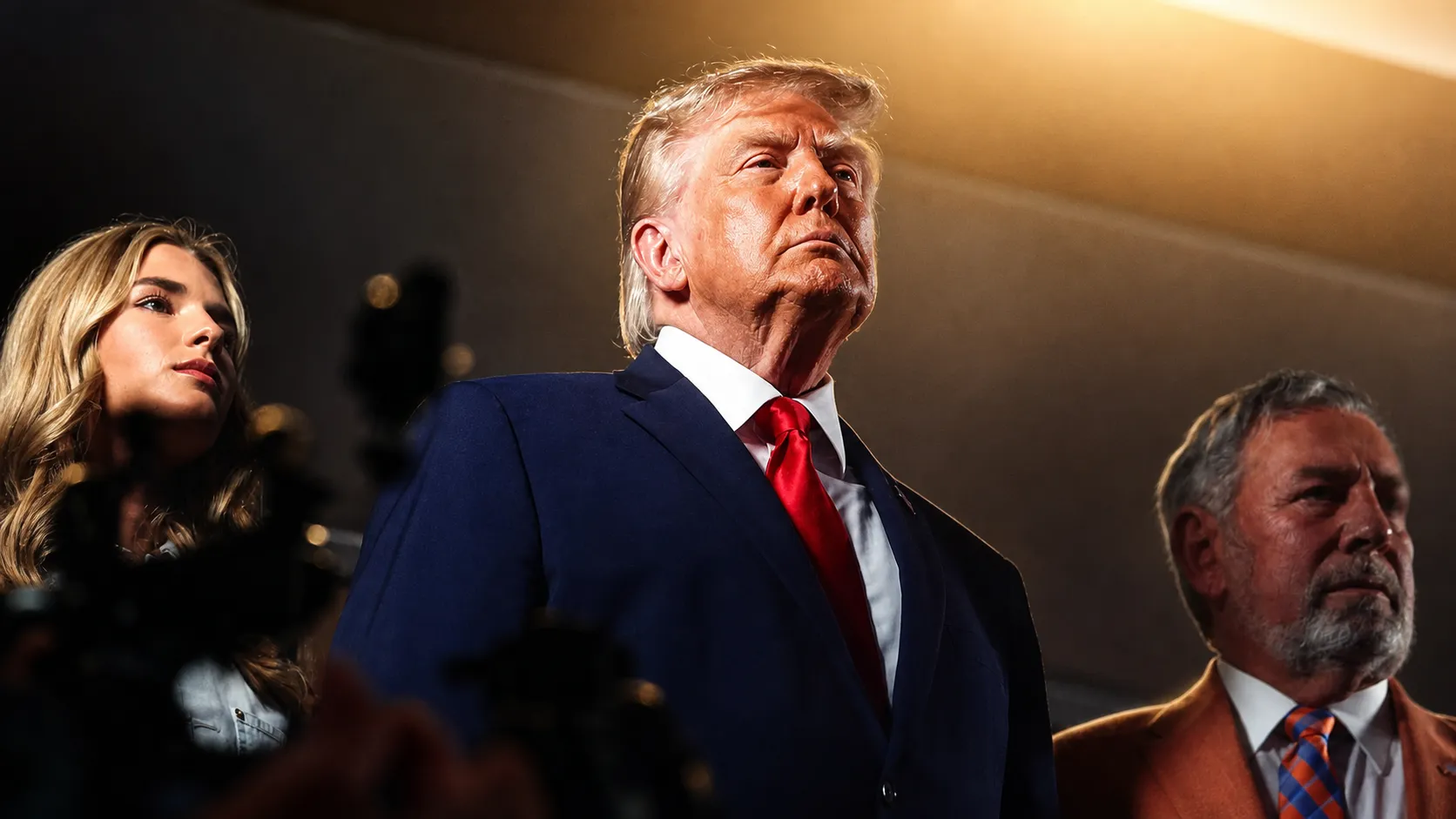
Donald Trump is expected to play a prominent role in the 2026 World Cup trophy presentation, with FIFA prepared to let the US president take a far more visible part in the ceremony than is usually the case.
According to reports from people familiar with the discussions, FIFA president Gianni Infantino has told Trump that he can handle the presentation however he wants. That would open the door for Trump to remain beside the winning captain as the trophy is lifted, rather than stepping aside after the medal handover.
If that happens, it would follow the pattern seen at this summer’s Club World Cup final, when Trump stayed on the podium as Chelsea celebrated their win over Paris Saint-Germain at MetLife Stadium in New Jersey.
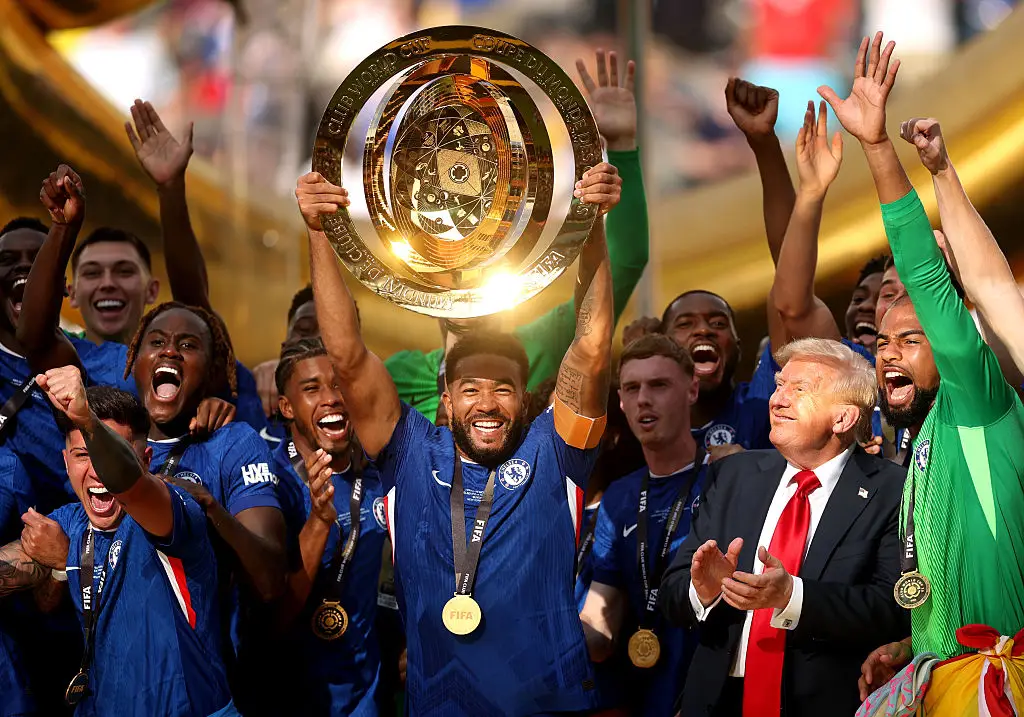
During that earlier celebration, Cole Palmer appeared puzzled as he stood just behind the president. Infantino initially looked as though he was trying to guide Trump away, but ultimately allowed him to remain in place. Under normal FIFA protocol, the trophy is usually placed on a plinth before the winning captain carries it forward, but Trump appears likely to bypass that tradition again.
People within the White House say he is expected to celebrate directly with the champions rather than watch from a more formal position.
Trump is due to attend the World Cup final at MetLife Stadium on July 19, although his schedule could still change. He was unable to make the USMNT’s opening win over Paraguay because of a clash in his diary.
Officials from Mexico and Canada have also been invited to take part in the closing ceremony, reflecting the fact that the tournament is being staged across the three North American hosts.
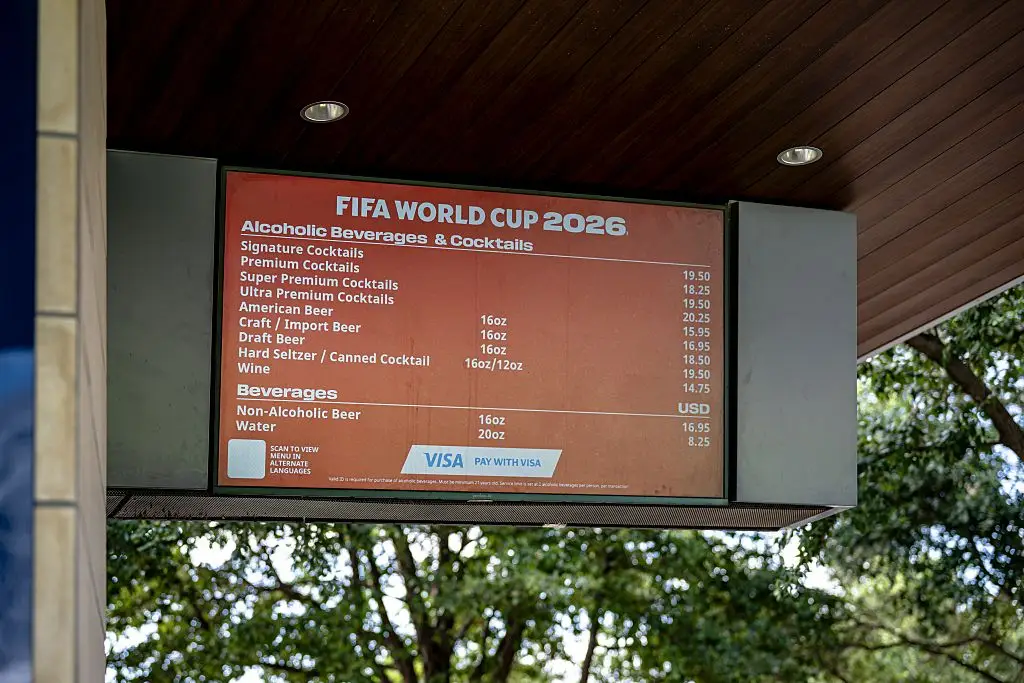
The trophy presentation question is only one part of a tournament build-up that has already produced plenty of controversy.
Fans have reacted angrily to the cost of tickets and refreshments inside stadiums. There has also been criticism of the expanded 48-team format, while tensions over travel and entry rules have created further debate around who will be able to take part in the tournament and who will not.
One of the biggest flashpoints has been the refusal to allow Somali referee Omar Artan into the United States. Despite being on FIFA’s list of officials for the tournament, Artan was denied entry and will miss the World Cup, prompting anger in Somalia and criticism from across the football world.
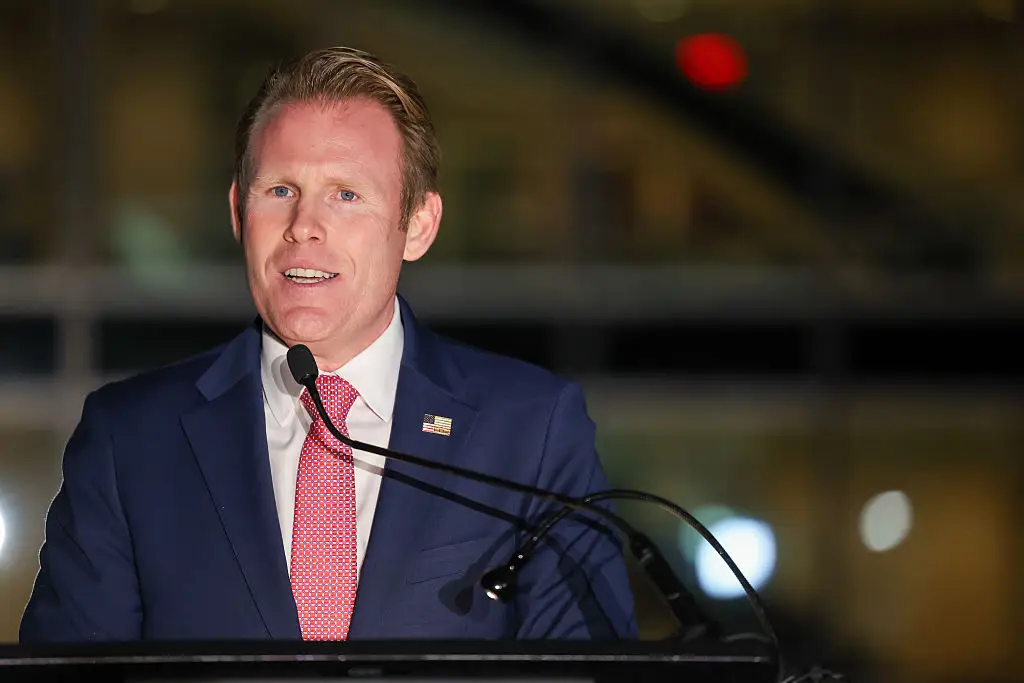
Andrew Giuliani, who serves as executive director of the White House’s Task Force for the World Cup, strongly backed the move.
“He was talking to some bad people, very recently, about actions here in the United States,” Giuliani told talkSPORT.
“What I can tell you from my standpoint, and having seen the information on what he was doing, was that I stand by CBP’s decision. It was the right decision.”
When asked whether he was implying Artan had terrorist connections, Giuliani declined to go further.
“I go back to what CBP has said about this.
“From my seat, it was absolutely the right decision and I stand by it.”
Artan was welcomed back to Somalia as a hero, but there has been no indication that US authorities intend to reverse their stance.
A number of new rules have also been introduced ahead of the tournament, many aimed at reducing time-wasting and keeping matches moving. Several of those changes are likely to divide opinion.
Substituted players must now leave the field within ten seconds, using the nearest exit point where possible. If they fail to do so, the replacement can be delayed from entering for one minute until the next stoppage.
Referees can also use a five-second visual countdown if they believe a throw-in or goal kick is being deliberately delayed. If the restart is not taken in time, possession changes, with the opposition awarded the throw-in or, in the case of a delayed goal kick, a corner.
Players who receive treatment off the field may also be required to remain out of play for one minute, unless the referee allows them back sooner.
VAR has also been expanded in some competitions, with greater scope to intervene in cases such as wrongly awarded corners, second yellow cards that lead to a red, mistaken identity, and some attacking fouls committed before the ball comes back into play.
FIFA and IFAB have also backed tougher sanctions for certain behaviour during confrontations, including players who cover their mouths in a way that appears intended to conceal abusive comments, and teams or officials who encourage players to leave the field in protest at a referee’s decision.
Players who walk off the pitch in protest at a referee’s decision can now be shown a red card, while any team that abandons a match by leaving the field will forfeit the game.