

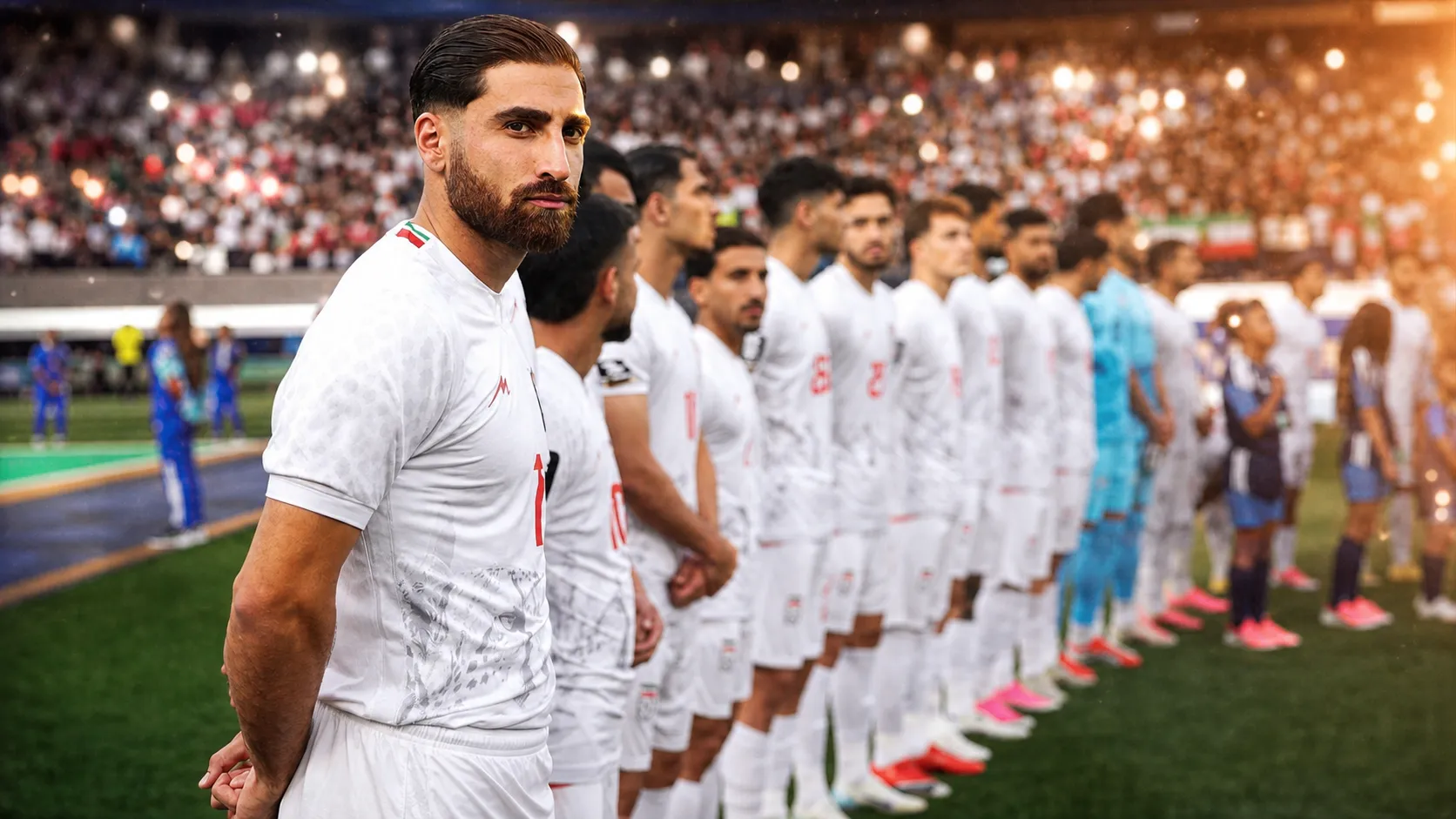
Iran’s World Cup campaign opened amid controversy on Monday night as the team fought back for a 2-2 draw with New Zealand at SoFi Stadium in Inglewood, California, while also facing a hostile and divided reception from the large Iranian diaspora crowd.
Coach Amir Ghalenoei said the team had expected to stay in California overnight so players could follow a normal recovery routine after the match, but instead were told they had to leave immediately and return to their training base in Tijuana, Mexico, just hours after full time. He did not say who issued the order.
“They didn’t even give us time to recover,” Ghalenoei said through an interpreter. “After the game today, they said to us, ‘You have to leave immediately.’ It’s very important for us to have time for recovery, we are asked to get on a plane and return to our camp in Tijuana, and we are really troubled by that.”
The disruption began before kickoff. Iran captain Mehdi Taremi said the squad spent hours dealing with travel and security checks on what should have been a short trip from Tijuana to the Los Angeles area. Ghalenoei said the team had initially planned to arrive two nights before the match, but those plans were changed.
“Many of our players, they had cramps, and that’s why we had to substitute them,” the coach said. “So it wasn’t for technical reasons that we made substitutions. It was because of the injury and because of the cramp.”
Iran’s World Cup preparations have been overshadowed by the war that broke out between the United States, Israel and Iran earlier this year. FIFA previously rejected Iran’s request to move its group-stage matches away from the United States.
Visa problems also affected the delegation, with several senior figures unable to travel. Those refused entry included the president of Iran’s football federation, along with members of the coaching and media teams.
“I think our team is perhaps the most oppressed in the World Cup,” Ghalenoei said.
Inside the stadium, the atmosphere reflected the political tensions surrounding the team. Los Angeles has the largest Iranian community outside Iran, and the crowd showed the deep divisions that persist within that diaspora.
Sections of supporters booed during the Iranian national anthem, while others turned away from the pitch. Lion and Sun flags, associated with Iran’s pre-revolution period, could also be seen in the stands despite FIFA’s effort to keep them out of the venue.
Once the game began, however, much of the stadium behind Iran.
Fan Keyan Jafari, who wore the Lion and Sun emblem, told LBC he wanted the players to know he stood with them as Iranians regardless of the regime. “We don’t know what they put those players through,” he said. “I want them to know that I still stand for them as long as they are Iranian and they stand with us.”
On the field, Iran had to rally twice. Elijah Just put New Zealand ahead early in both halves, but Iran answered through Ramin Rezaeian and then Mohammad Mohebi, whose 64th-minute header secured a point in front of a crowd that increasingly sounded like a home support for the Asian side.
“It was an incredible atmosphere in the game, all 90 minutes,” Taremi said. “It was like at home for us.”
Iran’s next Group G matches are against Belgium on Sunday, followed by a meeting with Egypt in Seattle. With all four teams in the group sitting on one point after the opening round, qualification remains wide open.
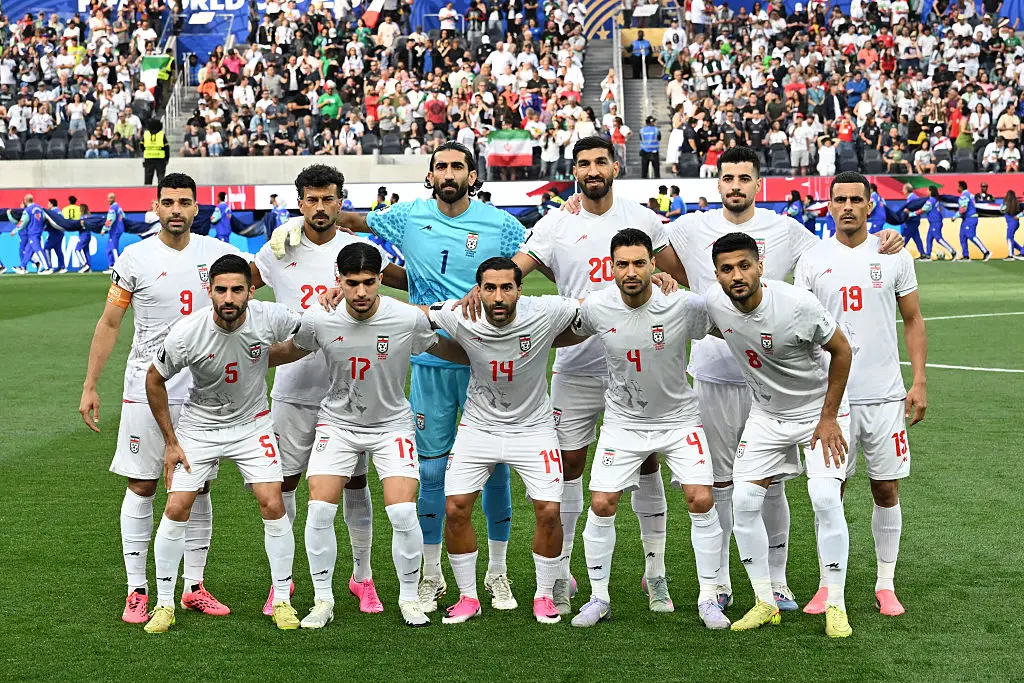
The draw came in the opening round of a tournament that has been politically charged from the start, with Iran’s participation drawing protests outside the stadium and arguments among fans inside it. While several hundred Iranian Americans demonstrated outside calling for change in Tehran, many supporters inside the arena tried to separate football from politics and backed the team once the match started.
The game also underlined the contrast between Iran’s difficult preparations and its response on the pitch. After falling behind twice, the team stayed composed and found its way back into the contest, earning a result that kept its tournament hopes alive.
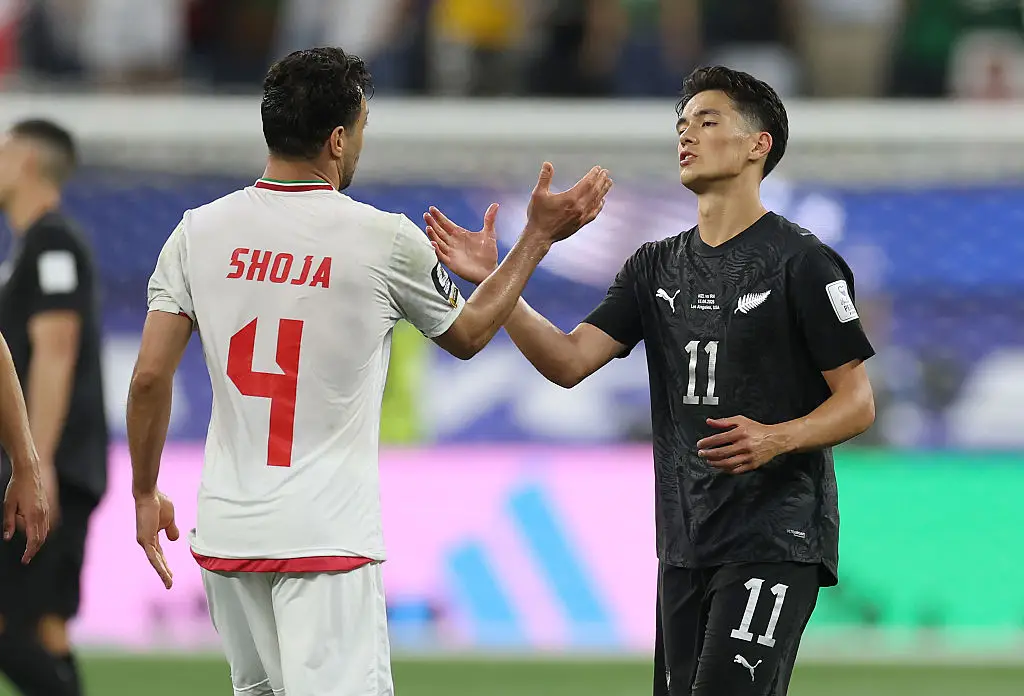
Players from both sides exchanged handshakes and embraces after the final whistle. Iran’s squad then applauded the supporters who had stayed to the end, including many who had waved flags and cheered loudly once the national anthem was over.
Ghalenoei said the circumstances had made the team’s task more difficult, but insisted the players would keep pushing.
“We’re facing more hurdles, but we’re not going to let that stop us from doing our best,” he said.