

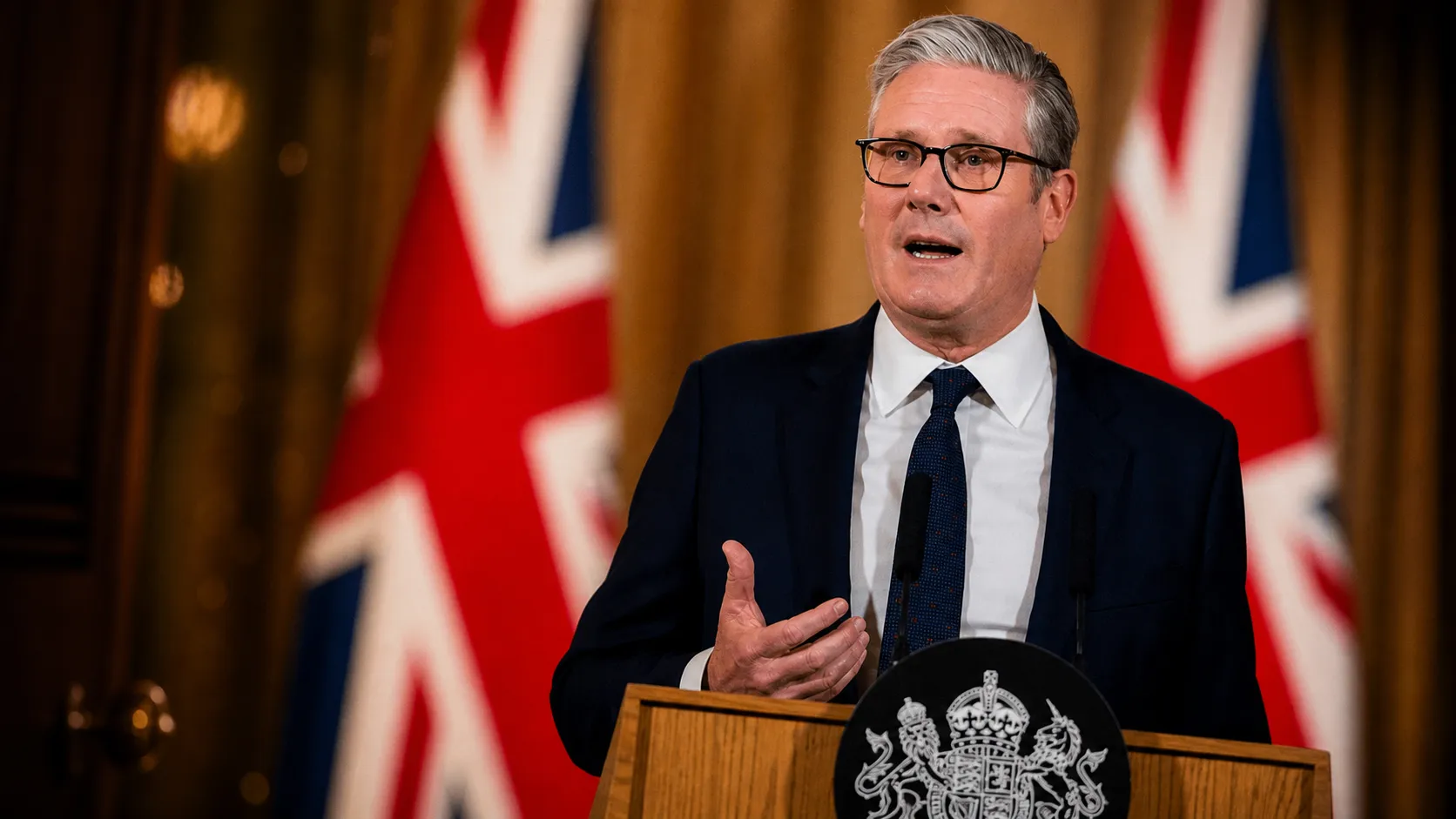
Experts have raised concerns that British Prime Minister Sir Keir Starmer’s proposal to stop under-16s from using major social media platforms could prove difficult to enforce and may push children toward less regulated corners of the internet.
The UK government announced on Monday, June 15, 2026, that it plans to bring in restrictions preventing social media platforms from offering services to under-16s, with the policy expected to take effect in spring 2027.
Ministers said the plan will be brought before Parliament before Christmas 2026 and would use a model similar to Australia’s approach to age restrictions online. The government also said the new rules would not cover messaging services such as WhatsApp and Signal.
Under the proposal, user-to-user platforms whose main purpose is social interaction and algorithmic content recommendation — including Facebook, Instagram, Snapchat, X, TikTok and YouTube — would fall within scope. The government also said it intends to restrict harmful features such as livestreaming and stranger-to-child communication across a wider range of online services, including gaming platforms.
Although the measure has received support in some quarters, critics in the tech sector say it could drive teenagers toward less regulated corners of the internet, potentially exposing them to greater privacy and security risks, including data breaches.
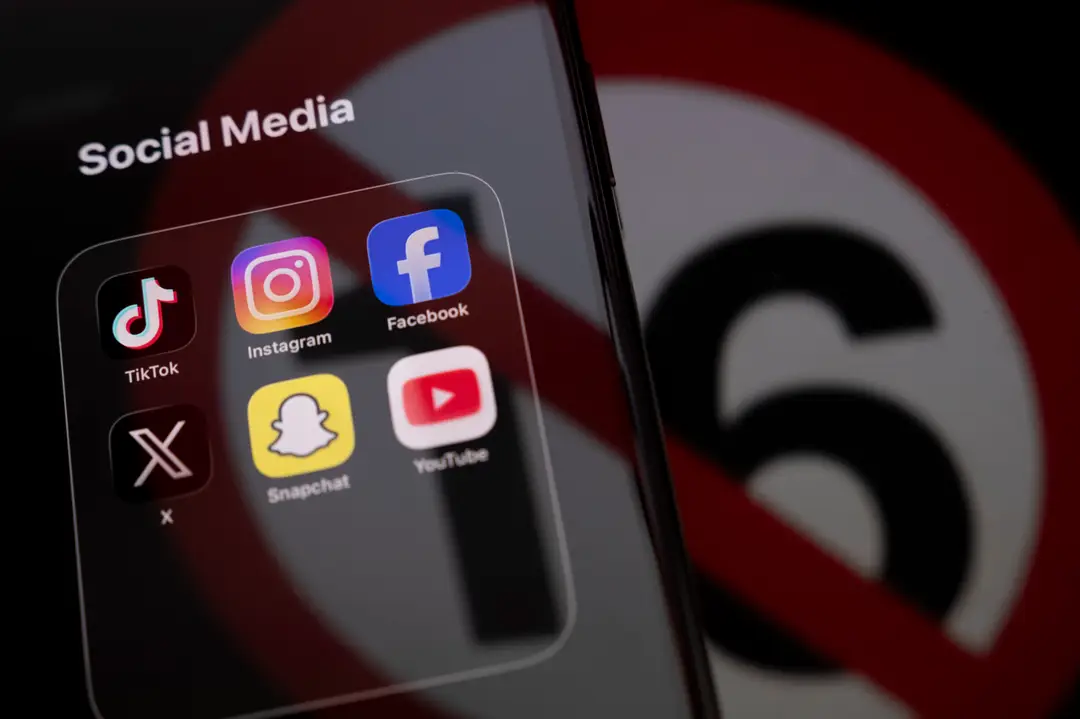
The government says age assurance will be central to the new system, with Ofcom asked to review what counts as highly effective age verification for proving whether someone is over 16. Officials have also said many adults may not need to go through checks if they already have long-established, age-verified accounts.
Speaking to openDemocracy, Alan Woodward, a computer science and cybersecurity professor at the University of Surrey, questioned how such a policy would work in practice.
“It’s very difficult to know what the actual ban would look like.”
Jasleen Chaggar of the Media Storm podcast also suggested the government has yet to settle on a workable system for enforcing the restriction.
“I don’t think the government really knows where they’re going with a lot of this stuff.
“They want an outcome, but they haven’t actually figured out the technical solution to get there. So it’s like, ‘tech companies, you need to figure this out, or we’re just going to outsource this to ID companies and get them to figure out the details.’”
Ministers are also reportedly exploring separate restrictions on social media use for under-18s, including the possibility of curfews and breaks from endless scrolling. The government has said it will set out more detail in July.
At a press conference, Starmer acknowledged that the issue is not straightforward and said social media has had benefits as well as drawbacks for young people.
“”This is not something I do lightly, and I will not present it as cost-free, as if social media has brought no benefits to young people, because clearly that is wrong.
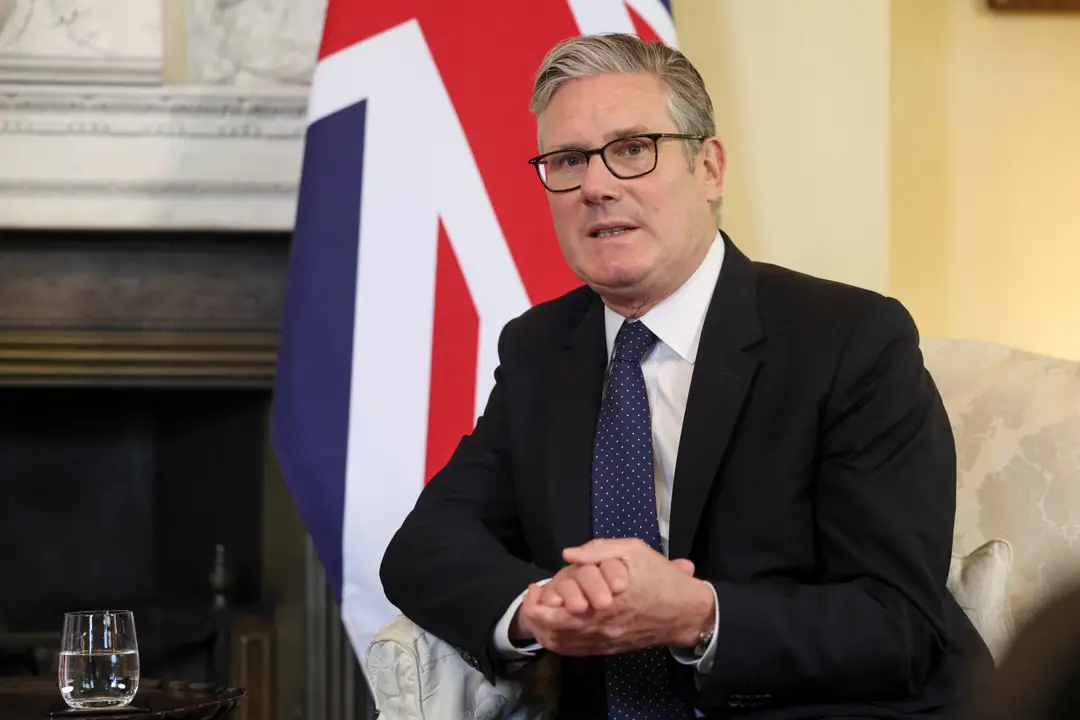
“All I’ve ever wanted for my own children, hand on heart, is for them to be happy and for them to be safe, and I think that’s what any parent wants, but I ask the question now: Do we truly believe that social media creates a happy environment for our children?”
Officials say the aim is to reduce harm, improve wellbeing and give children more time for a healthier childhood. Government figures cited in the announcement said the plans were backed by 9 in 10 parents, while two-thirds of young people agreed under-16s should not be allowed on at least some social media platforms.
If the policy goes ahead, children under 16 would be blocked from opening new accounts, while existing accounts belonging to underage users would be shut down. However, the government has stressed that under-16s would still be able to go online safely for learning, news, games and messaging with known friends and family.
Starmer also told reporters:
“Every parent can see it with their own eyes. Social media is making children unhappy.”