


Fresh research suggests GLP-1 medications may be associated with a lower likelihood of violent offending, though the findings do not prove the drugs directly prevent crime.
GLP-1 drugs were first approved for people with diabetes, but their use has since expanded to weight-loss treatment, with medicines such as semaglutide and tirzepatide now widely prescribed for obesity and related metabolic conditions.
They are best known for helping people feel fuller sooner and stay satisfied after eating less food.
Alongside diet and exercise, that effect can make it easier for some people to lose weight.
Researchers have also connected these medications with benefits relating to heart disease and stroke, and recent studies have increasingly examined whether GLP-1 drugs may also affect reward-seeking and impulse-control pathways in the brain.
Now, a new study has pointed to another possible association: a reduced risk of violent behaviour.
The research, published in the journal Criminology, looked at whether GLP-1 use changed the link between alcohol use, impulsivity and violent offending among adults in the United States.
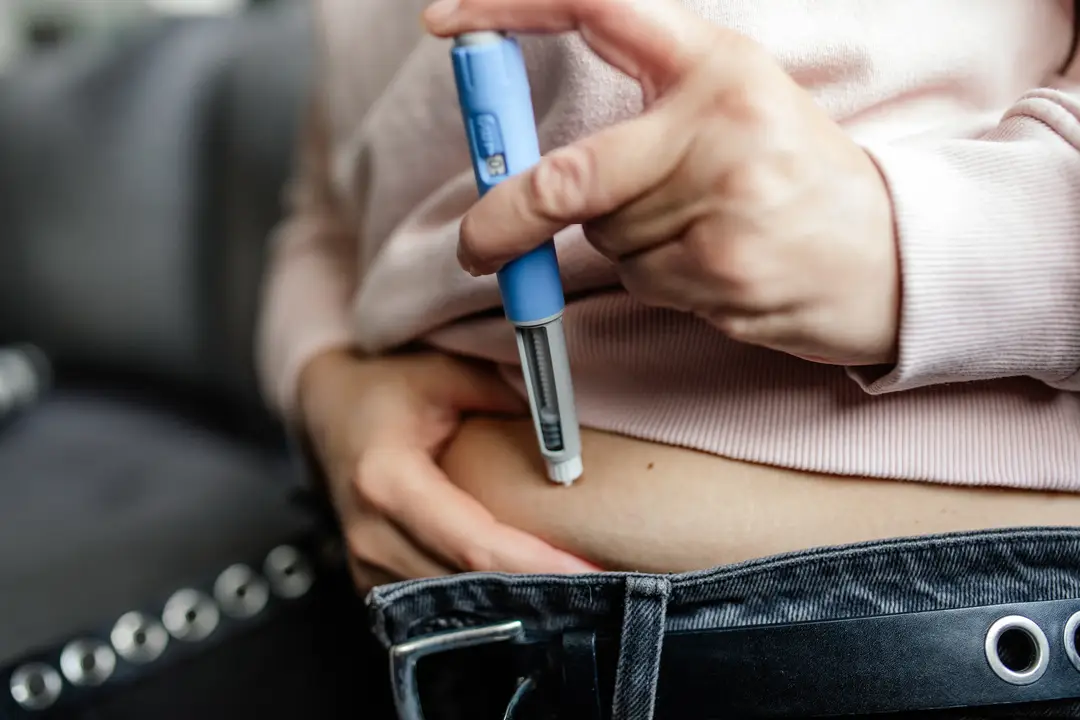
The study team, led by Rutgers University researcher Daniel Semenza, reviewed survey data from 7,521 adults. Most had used or were currently using a GLP-1 medication, while 821 had never taken one. The analysis examined alcohol use, impulsivity and self-reported violent behaviour.
It found that people using drugs and alcohol showed a greater tendency toward violence, but the pattern appeared different when GLP-1 medication use was taken into account.
Daniel Semenza, the study’s lead author, said:
“The strongest finding in the study was that the well-established link between impulsivity and violent behaviour was substantially weaker among current GLP-1 users compared to former users.
“As GLP-1 drugs become increasingly widespread, it is important to understand all of their potential behavioural effects, including those relevant to public safety.”
Christopher Thomas, an assistant professor at Rutgers University-Camden and co-author of the study, said the findings suggest the drugs may reduce the chance that impulses turn into action rather than simply reducing impulsivity itself.
He said:
“Our findings are consistent with these medications working like cognitive behavioural therapy, weakening the path from impulse to action rather than eliminating impulsivity itself,” he said.
The researchers reported a 62 percent weaker correlation between impulsivity and violent behaviour among current users than among former users.
They also found that the link between alcohol use and violence was around 52 percent weaker in people currently taking GLP-1 medication, suggesting the drugs could potentially reduce the risk of violent behaviour.
Even so, the researchers noted an important limitation.
Because the study relied on observational data and self-reporting, the results can only indicate an association for now, meaning further research will be needed to confirm the findings.
The study adds to a growing body of research suggesting GLP-1 drugs may influence more than appetite and body weight. Other recent studies have examined possible links between GLP-1 treatment and reduced alcohol or substance use, but experts caution that these medicines are not approved as anti-violence treatments and should not be viewed as a crime-prevention tool.
Representatives of Novo Nordisk have been approached for comment.