


Actor Daveigh Chase has died aged 35 after developing sepsis following meningitis, her manager has confirmed.
Chase was widely known for providing the voice of Lilo in Disney’s Lilo and Stitch, as well as for playing Samara in the horror film The Ring.
She started working in the industry at just four years old and secured her first Hollywood part by the age of seven before eventually stepping away from acting in 2015.
Her manager, John Ryan Jr, confirmed the news to BBC News on 17 June, saying: “She was not very Hollywood. She’d rather eat at Bob’s Big Boy and go home with the cats. She loved acting but wasn’t into the fame scene. […] She was the greatest.”
Chase’s boyfriend, Roy Hernandez, also shared details of her condition through a GoFundMe page created before her death, where he said she had been “diagnosed with meningitis and several serious blood infections”.

Meningitis is inflammation of the protective membranes around the brain and spinal cord, known as the meninges. It can be caused by bacteria, viruses, fungi, parasites and, more rarely, noninfectious conditions such as autoimmune disease, certain cancers, head trauma or medication reactions.
The illness is treated as a medical emergency when bacterial meningitis is suspected, because it can become life-threatening within hours and may lead to sepsis, permanent brain damage, hearing loss or other long-term complications.
The Cleveland Clinic says the illness is also commonly referred to as spinal meningitis.
It explains: “Your meninges normally protect your brain and spinal cord from injury. They contain nerves, blood vessels and cerebrospinal fluid (CSF). When your meninges become inflamed, they swell too much and put pressure on your brain and/or spinal cord,” it adds.
There are a number of possible causes behind meningitis.

The condition can be divided into infectious and noninfectious forms.
Infectious meningitis includes bacterial meningitis, which is the most dangerous form, along with viral, fungal and parasitic meningitis, the latter also being known as eosinophilic meningitis.
Noninfectious forms include autoimmune meningitis, carcinomatous meningitis linked to cancer, drug-induced aseptic meningitis (DIAM) and post-traumatic meningitis.
According to Cleveland Clinic, doctors generally classify meningitis as acute, chronic or aseptic.
Acute meningitis involves symptoms that appear suddenly and is often associated with bacterial infection. Chronic meningitis develops more gradually and can last for a month or longer. Aseptic meningitis is diagnosed when CSF testing does not show bacteria, which can mean either the bacteria is difficult to grow in testing or that the illness is not bacterial in origin.
“The most common cause of aseptic meningitis is a viral infection,” it adds.
So how is meningitis spread, and what warning signs should people look out for?
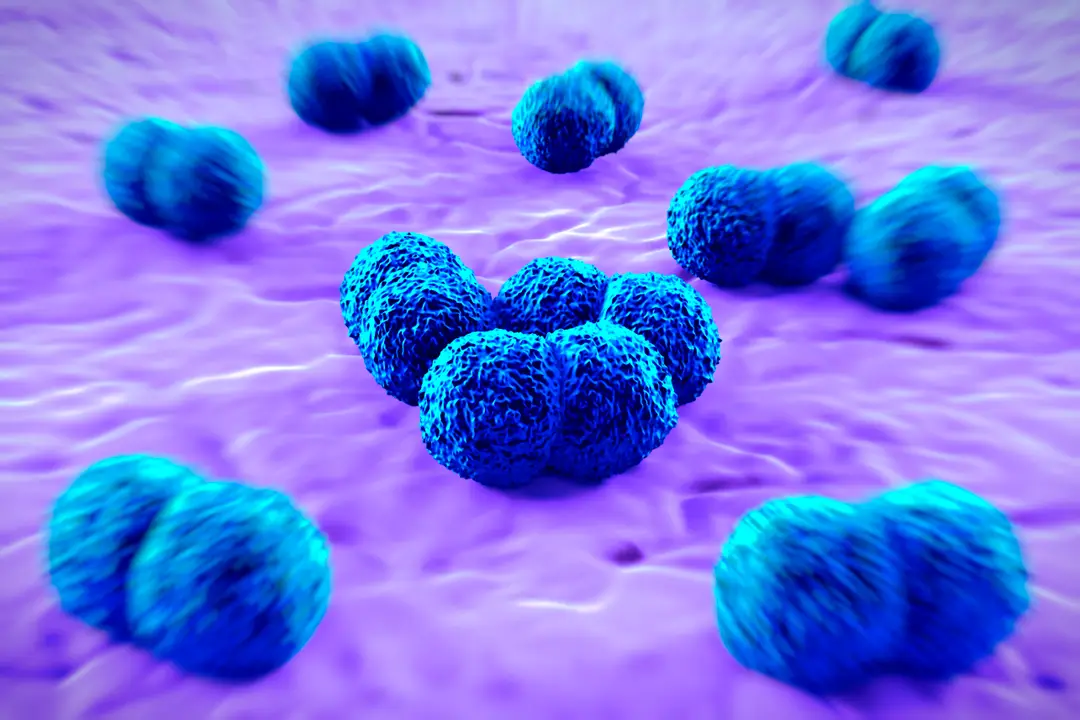
People can develop meningitis after exposure to someone with “a contagious bacterial or viral illness” or by eating food that has been contaminated by an infectious source. Inhaling certain fungi can also cause meningitis, and it may arise as a complication of noninfectious conditions, like cancer.
It may also happen after a head injury, as a complication following brain surgery, or as a side effect of medication.
Symptoms differ depending on age, but common warning signs include sudden fever, headache, a stiff neck, sensitivity to light, nausea or vomiting, confusion, seizures, rapid breathing, muscle and joint pain, rash, cold hands and feet, and being unusually sleepy or difficult to wake.
Importantly, symptoms can appear in any order and not everyone gets a rash. In some people, particularly babies, the early signs may be subtle and can look like irritability, poor feeding, a high-pitched cry, a bulging soft spot on the head or a floppy, unresponsive body.
In babies, the illness may present with some of the same symptoms, as well as poor feeding, irritability and a bulging soft spot on the head.
Risk is higher in babies and young children, teenagers and young adults, and older adults, as well as people with weakened immune systems.
The good news is that meningitis can be treated, but prompt treatment is vital.
Cleveland Clinic says “medications treat most infectious cases”, while noninfectious meningitis is usually managed by addressing the underlying cause.
Viral meningitis may clear up on its own in about a week. Fungal meningitis can take several days, a week, or even longer, while chronic meningitis may continue for months or years.
The Mayo Clinic advises: “Seek medical care right away if you think that you or someone in your family has meningitis. For meningitis caused by bacteria, early treatment can prevent serious complications.”
If a rash does not fade when pressed, or if symptoms are getting worse quickly, urgent emergency care is needed. In the UK, people are advised to call 999 or go to A&E immediately if meningitis is suspected.
Vaccines can help protect against some of the bacteria that cause meningitis, including meningococcal disease, but they do not prevent every type of meningitis.
If you have experienced a bereavement and would like to speak with someone in confidence, contact GrieveWell on (734) 975-0238, or email [email protected].