

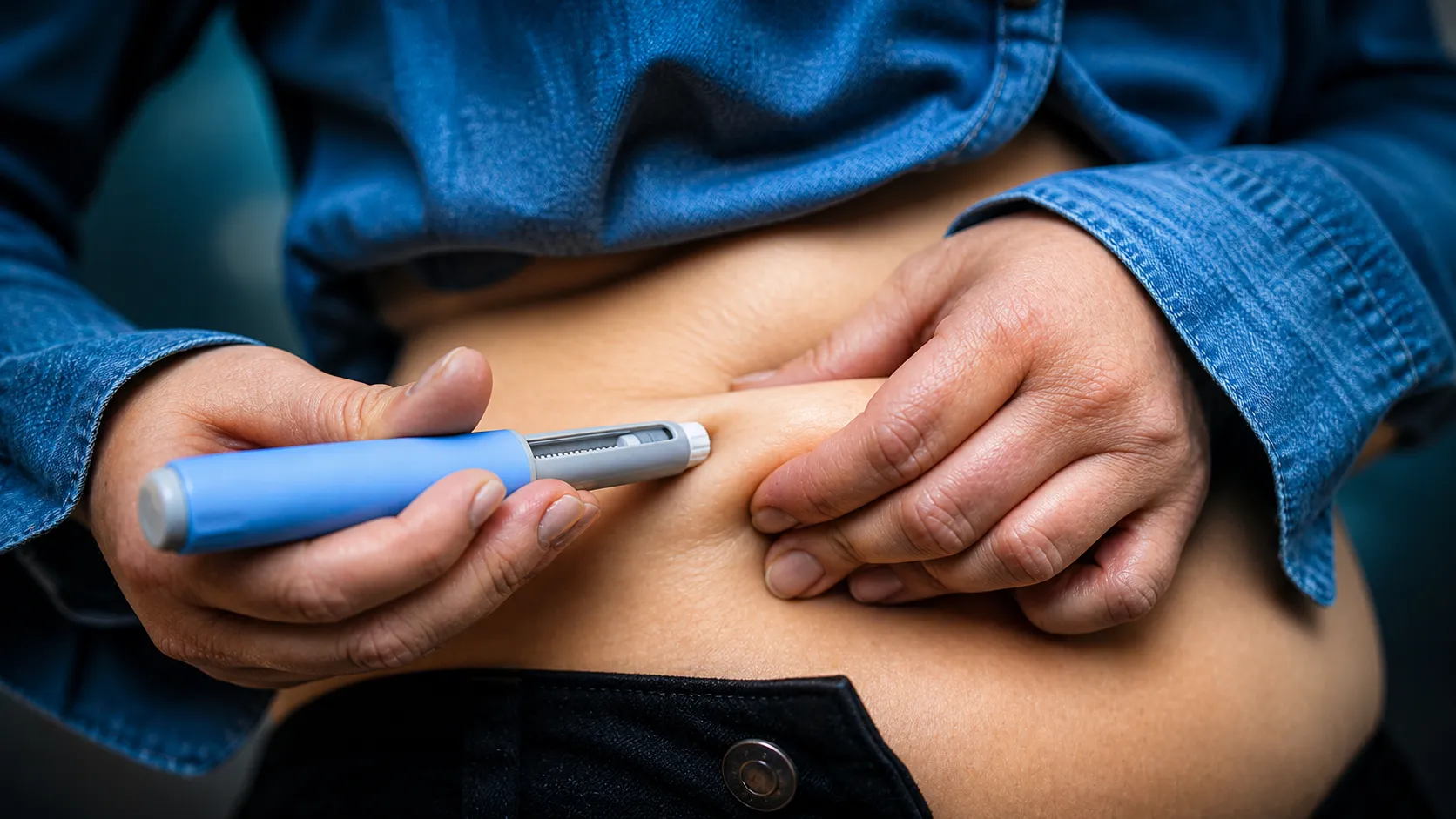
A little-known effect nicknamed ‘ghost fat’ is being discussed as more people turn to GLP-1 drugs for weight loss, with research indicating that one in eight Americans says they have tried the medications.
Use of GLP-1 treatments including Ozempic and Wegovy has risen sharply in recent years. Although these drugs were originally developed to help manage type 2 diabetes, they are now frequently being used in weight-loss treatment plans, and some GLP-1 medications have also gained approvals for obesity-related or cardiovascular uses.
Researchers say their purpose has shifted significantly, with a large share of patients now taking them for obesity treatment, especially in the United States.
As scientists continue to examine the longer-term impact of these medications, doctors are gaining a better understanding of both the potential advantages and the possible downsides, allowing advice to become more specific.
Well-known side effects already linked to GLP-1 drugs include reduced appetite, nausea, vomiting, diarrhea, dizziness, constipation, bloating, indigestion, fatigue, and abdominal discomfort.
Doctors also caution that rapid weight loss on GLP-1s can come with loss of lean mass as well as fat mass, which is why many experts stress the importance of adequate protein intake, resistance training, and ongoing medical supervision while using these medications.
However, another lesser-known issue being highlighted is ‘ghost fat’, which can affect some people after major weight loss while using the medication.
Sometimes called ‘phantom fat’, the term describes people who have shed a significant amount of weight but still mentally picture themselves as being in a larger body.
Psychology Today compares the experience to phantom limb syndrome, where a person may continue to feel the presence of a limb even after it has been lost because the body has changed so suddenly.
Experts note that this sensation is not exclusive to GLP-1 drugs. It can also happen after any substantial weight loss that occurs rapidly rather than over a longer period of time, including after bariatric surgery.
Speaking on Jesse Weber Live, obesity medicine specialist Dr. Terry Dubrow explained:
“When you lose weight on a regular diet and exercise program, 75 percent is fat, 25 oercent is muscle.
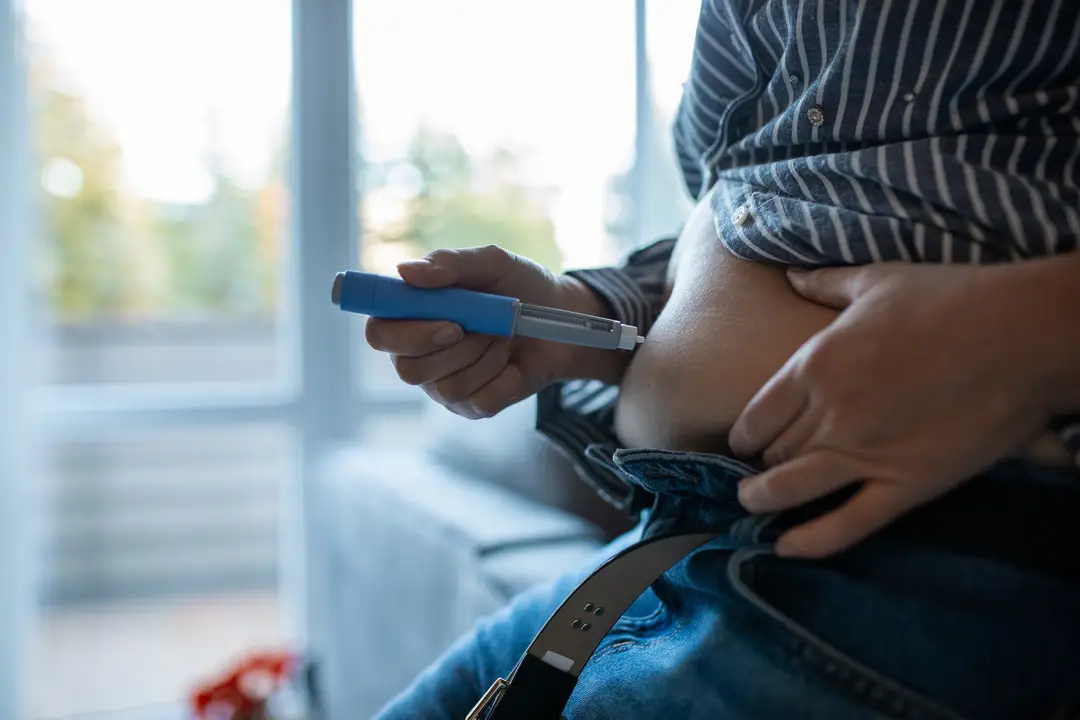
But when you lose weight with a GLP-1 drug like this, it’s 50 percent muscle and 50 percent fat. So, it’s a different kind of weight-loss distribution; it takes a little bit of time to re-equilibrate. So, it’s important to be patient.”
According to the surgeon, the feeling should ease over time as the brain gradually adjusts to the body’s new shape and size.
That mismatch between perception and physical reality can influence day-to-day behavior. People dealing with ‘phantom fat’ may still buy larger clothes, hesitate in narrow spaces, or remain overly self-conscious about how they look, even after substantial weight loss.
Health professionals say that if these feelings persist or start to affect mood, eating habits, or daily life, it may help to speak with a doctor or mental health professional. In some cases, the issue may overlap with broader body image concerns rather than being solely about the number on the scale.
Experts also note that weight-loss medications are only one part of the picture. To preserve muscle during treatment, patients are often encouraged to eat enough protein, stay hydrated, and add strength-based exercise as tolerated.
As GLP-1 use continues to spread, the conversation around “ghost fat” is likely to grow too, highlighting that for many patients the hardest part of weight loss is not always physical — it can also be psychological.