


A survey has shed light on what is usually included in death row inmates’ final meal requests.
It’s one of those grim hypothetical questions people sometimes ask in social settings: if you were facing execution, what would you choose to eat for your final meal?
People tend to imagine very different answers. One of the most extravagant examples came from former French president François Mitterrand, who reportedly chose an indulgent feast featuring foie gras and truffles.
That meal also famously and controversially featured an Ortolan, a tiny bird once prepared through a now-prohibited process that began by drowning it in armagnac so it absorbed the alcohol’s flavour.
After that, it would be roasted and eaten whole, with the fine bones sharp enough to cut the inside of the mouth, while diners traditionally covered their heads with a napkin so God could not witness the act.
While that is one version of a final feast, the reality for many people on death row appears to be much more grounded in familiar comfort food.
That was certainly the case for Lawrence Russell Brewer, who was sentenced to death in Texas.
His request included two chicken-fried steaks, three fajitas, a meat-lovers’ pizza, a full pound of barbecue, and a triple meat bacon cheeseburger.
That widely discussed order reflects the kind of choices found in a Cornell University study that reviewed 247 last-meal requests from people executed in the United States during a recent five-year period. The researchers found that the average final meal was highly calorie-dense and that meat, fried food, desserts, and soft drinks were the most common categories.
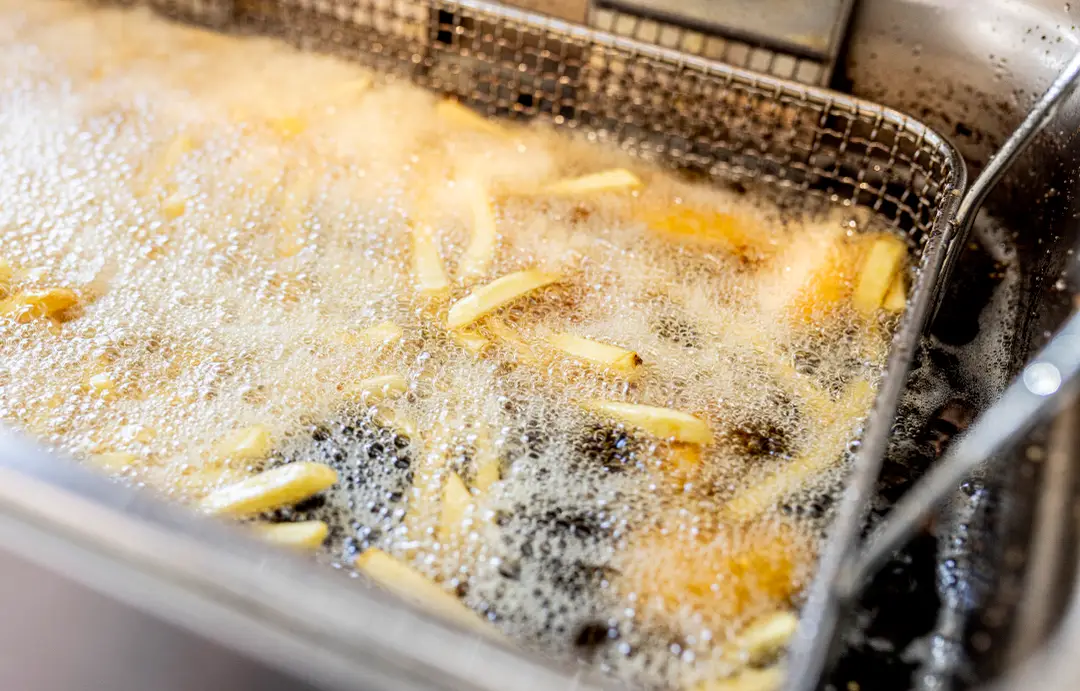
Across those meals, one cooking description appeared more than any other: ‘fried’.
Whether the item was chicken, seafood, or fries themselves, the meals often centered on fast-food style dishes.
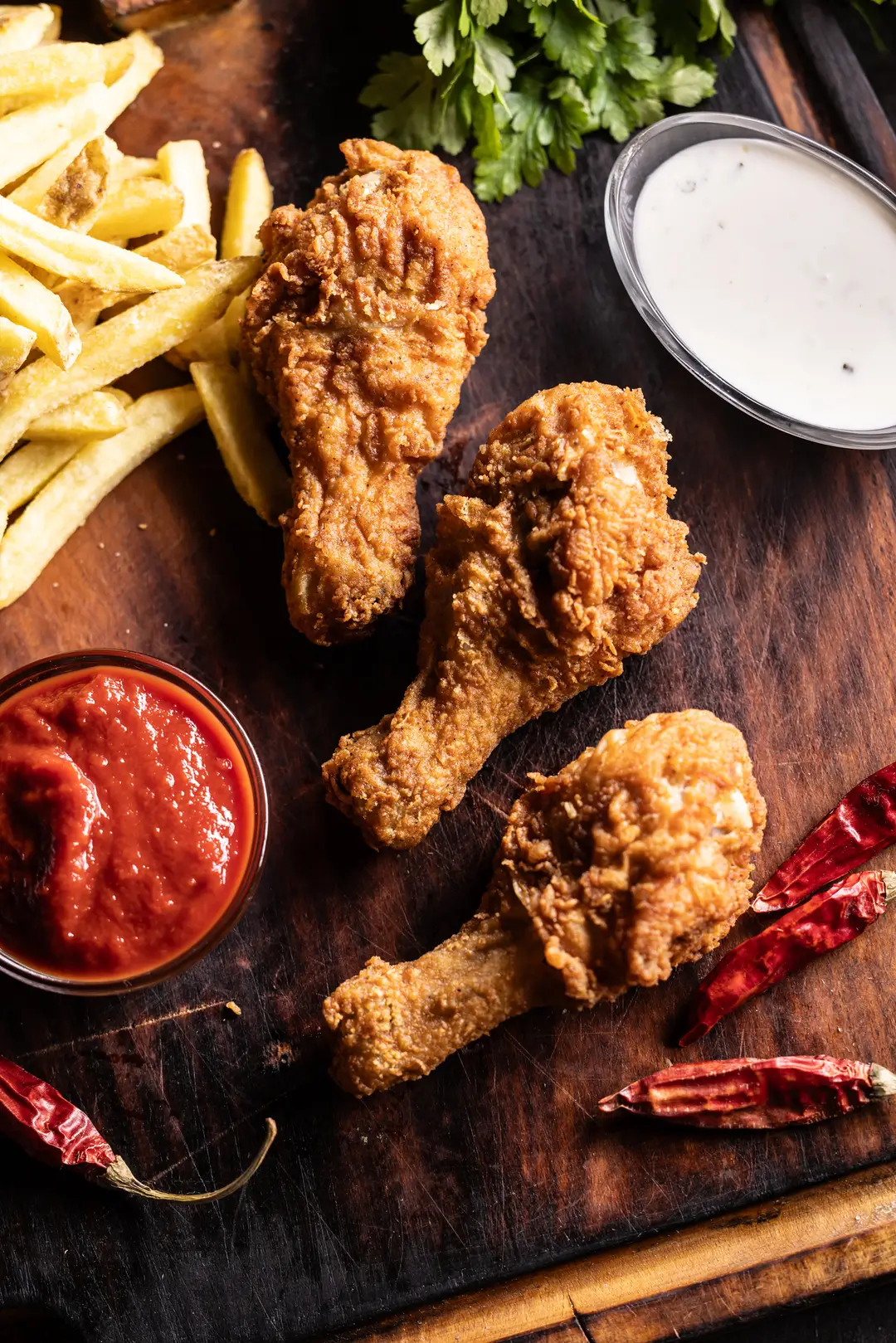
Popular picks regularly included Kentucky Fried Chicken or Burger King, along with milkshakes and ice cream, suggesting a preference for simple and nostalgic food.
Because alcohol is generally not allowed for prisoners on death row, soft drinks also show up frequently in these requests.
Brewer’s case ended up influencing prison policy. After his execution in September 2011, Texas stopped allowing special last meals for death row inmates and said condemned prisoners would instead receive the same food served to other offenders on the unit.
That change came after the prison fulfilled Brewer’s enormous order in full.
But once everything was placed in front of him, Brewer refused to eat it, saying that he was not hungry.
More than a decade later, Texas still does not offer special last meals to death row inmates. The state’s prison agency says condemned prisoners receive a regular diet rather than a customized final feast.