


An Arizona death row inmate delivered an unusual final message to his relatives moments before his execution.
Robert Charles Towery was executed by lethal injection on March 8, 2012, after being convicted of murdering Mark Jones in Scottsdale in 1991. Towery was 47 years old at the time of his death, and his execution came more than two decades after the crime.
According to court records, Towery had known Jones before the killing because Jones had previously loaned him money and Towery had worked as a mechanic. Prosecutors said Towery and accomplice Randy Barker went to Jones’ home during a robbery, held him at gunpoint, and stole valuables. Jones was then injected with battery acid and strangled with a plastic tie. Barker was also convicted in connection with the case, but did not receive the death penalty.
After years of appeals, Towery was put to death at the Arizona State Prison Complex in Florence. In his final moments, he expressed remorse and spoke directly to both his victim’s family and his own relatives.
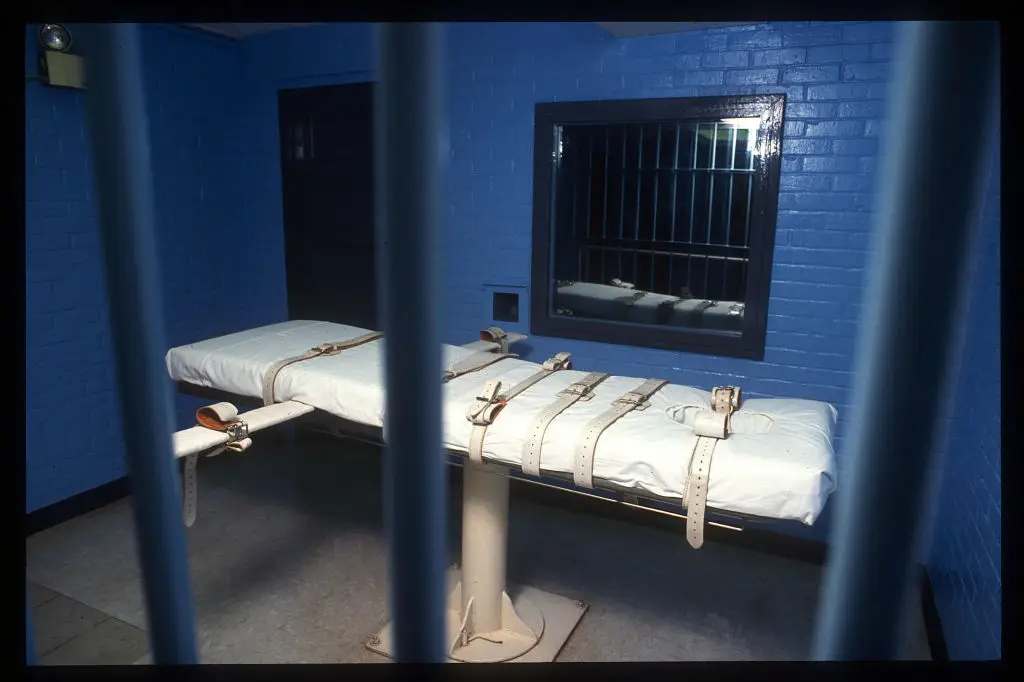
“I would like to apologize to Mark’s family and friends for what I did to them. I would like to apologize to my family,” he said, appearing to cry prior to his execution.
“So many times in my life I went left when I should have gone right and I went right when I should have gone left. It was mistake after mistake after mistake.”
He added: “I love my family.”
He then spoke a final phrase that sounded odd to witnesses:
“Potato, potato, potato.”
That remark was later understood to be a private message for his family, especially his nephew, who was present alongside Towery’s sister and a friend. The family’s attorney said the phrase was a code they understood.
Towery reportedly used the word “potato” to mimic the rumbling idle of a Harley-Davidson engine, a reference tied to an inside joke he shared with his nephew. The comment appears to have been intended as a final reassurance.

Witnesses said Towery had also been emotional before the execution began. A Roman Catholic deacon who was present said he had prayed with Towery and believed he was seeking peace.
The case had already drawn attention for the violence of the killing and for Arizona’s use of lethal injection after years of legal challenges. Towery’s execution was also the second carried out in the state in just over a week.
For many observers, though, it was his strange final line – delivered after a tearful apology – that became the most memorable part of the execution.