

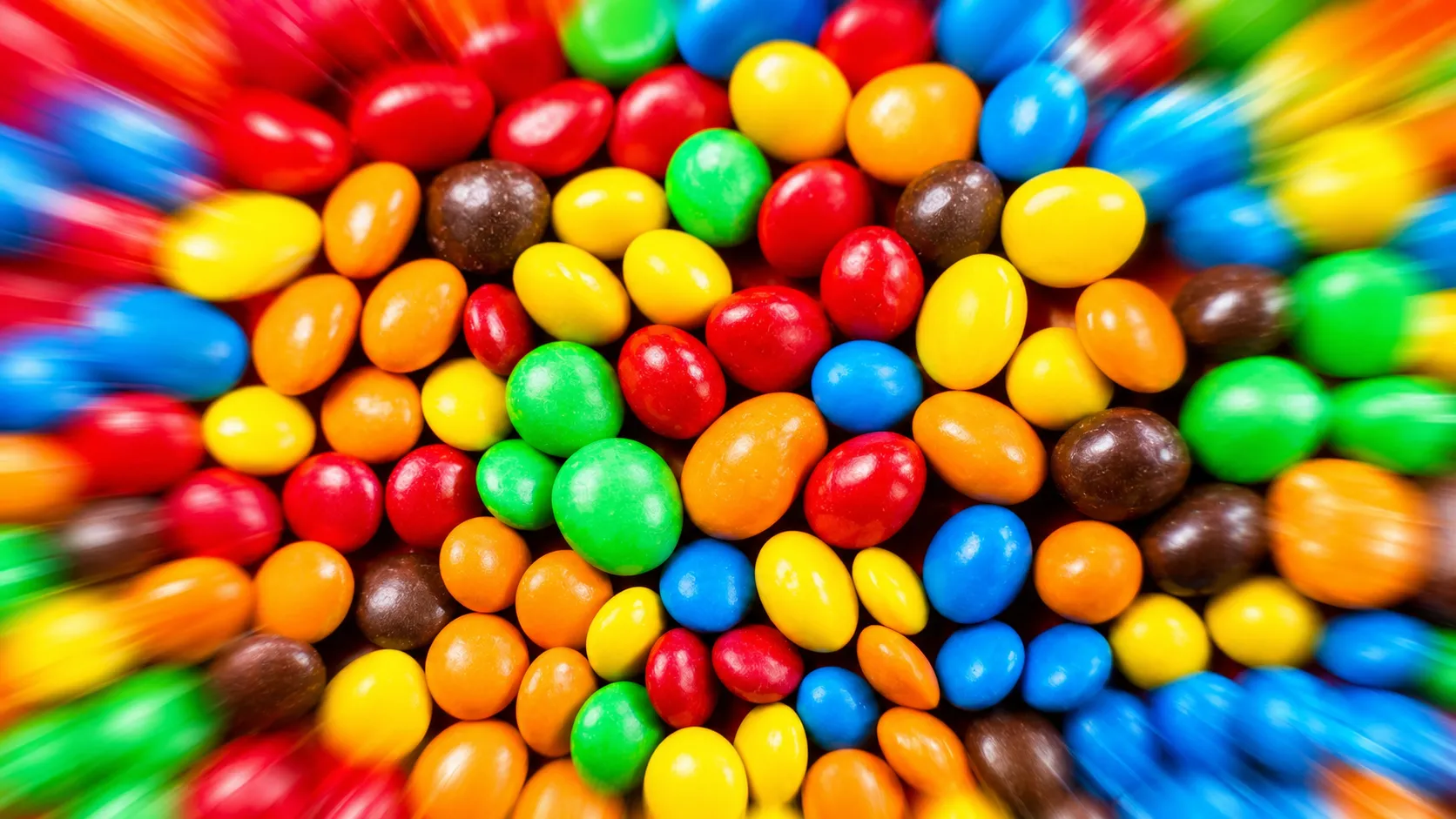
M&M’s is preparing a naturally colored version of the candy that could temporarily leave out two of the brand’s best-known shell colors, as Mars expands a broader move away from synthetic dyes amid the Make America Healthy Again push.
The change fits into a wider industry shift that has accelerated under MAHA, which has urged food companies to cut back on artificial colors and other additives. Mars has said it intends to remove artificial colors from its human food portfolio over time, a process the company has described as technically complex and likely to take several years.
For M&M’s, the challenge is especially obvious in the blue and brown candies. Natural replacements have been easier to develop for red, orange and yellow shades, but blue has remained the toughest color to replicate consistently without artificial dyes. Brown is also more difficult because it depends on achieving the right mix of pigments.
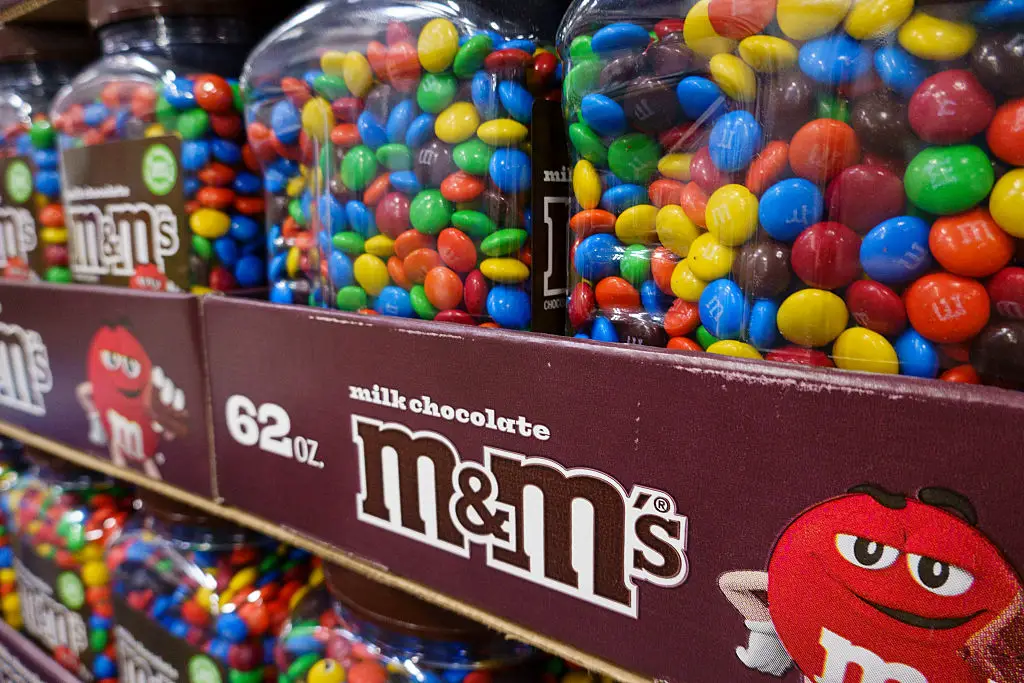
According to reporting on the project, Mars has been testing natural ingredients such as beet juice, turmeric and spirulina to recreate the classic M&M’s palette. Spirulina has been the leading candidate for blue, but it requires far more pigment than the synthetic version and can create practical problems during manufacturing.
Claire Hewitt, the Mars executive overseeing the multimillion-dollar initiative and self-described ‘chief color officer’, said: “It’s the hardest thing I’ve had to do in my career.”
Mars plans to launch a naturally colored M&M’s line in August, though the first version may not include all six traditional colors. The company has said the new products will initially be sold online through Amazon, while the standard artificially colored version will remain available for now.
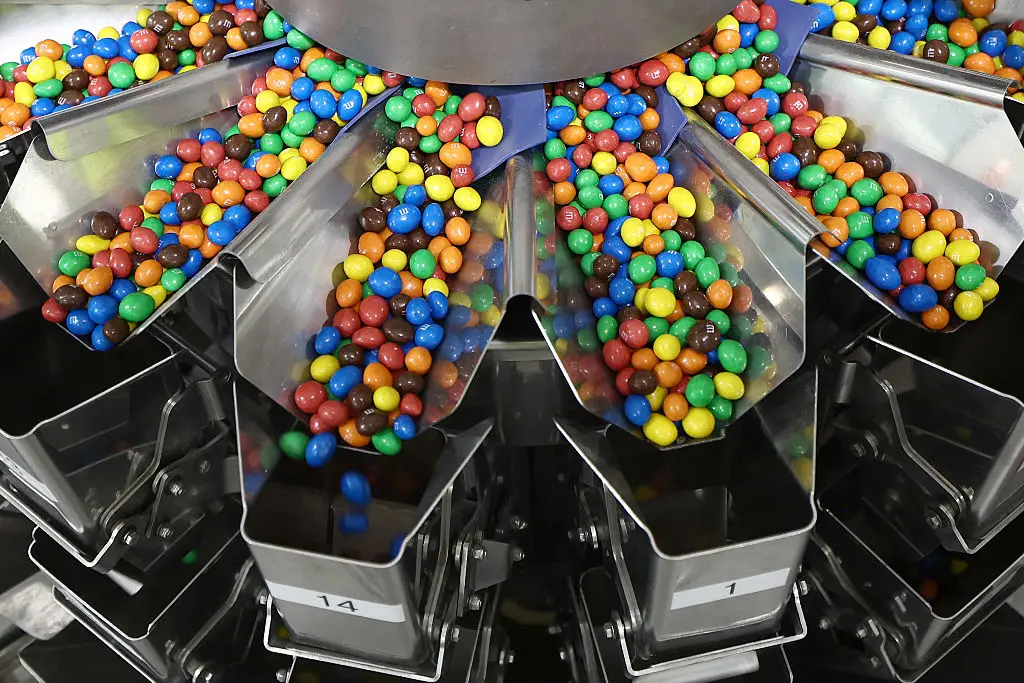
In 2026, Mars Wrigley said it will offer U.S. Products made without FD&C colors across several of its brands, including EXTRA, SKITTLES, STARBURST and M&M’S. Mars has also said it expects the full transition away from artificial colors in its human food products to take about five years.
The MAHA campaign, championed by Health and Human Services Secretary Robert F. Kennedy Jr., has put intense pressure on major food companies to rethink synthetic dyes. Kennedy and other supporters argue that the U.S. Food supply should move toward simpler, more natural ingredients, especially in products marketed to children.
At the same time, critics have noted that reformulating colorful packaged foods is expensive, scientifically difficult and often slower than the political rhetoric suggests. For a candy brand built on bright, instantly recognizable colors, even a small ingredient change can turn into a major redesign.
Speaking at a press conference about the government’s 2025 plan for improving children’s health, Robert F. Kennedy Jr. Said: “There’s never been an effort like this across all the government agencies.”