


A one-minute fridge check involving a dollar bill might sound unusual, but an expert says it could help households avoid wasting money.
As living costs continue to put pressure on budgets, straightforward ways to trim bills are still in demand.
One area people may not think about is the fridge. If it is not sealing properly, it can use more electricity than necessary and struggle to keep food and drinks cold enough at the same time.
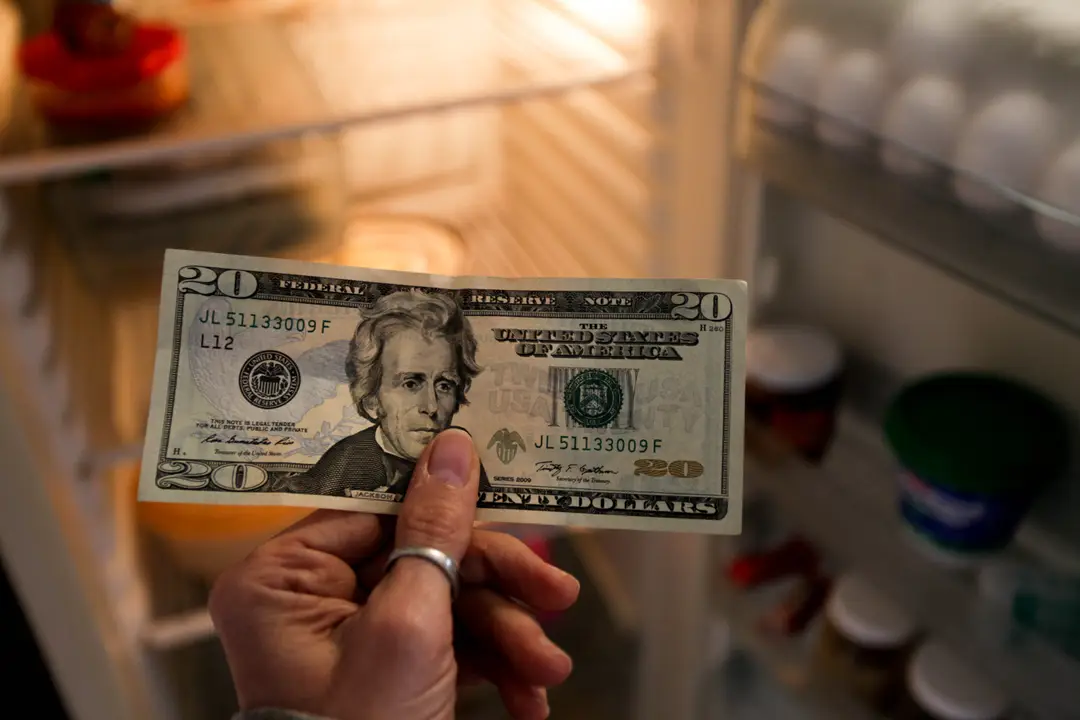
Experts say there is a quick test you can do at home in about 60 seconds, and it only requires a one dollar bill or a similar slip of paper.
The issue often comes down to the door seal. When seals become worn, dirty or damaged, chilled air can escape while warmer air enters, making the appliance work much harder to maintain its temperature.
According to energy-efficiency guidance, refrigerator door seals should form an airtight barrier, and a poor seal can lead to higher energy use, more frost or condensation, and uneven cooling inside the appliance.
Guy Chapman, silicone seal specialist at United Silicones, said damaged fridge seals could raise energy consumption by up to 25 percent.

The expert said:
“People tend to focus on the appliance itself and rarely think about the seal running around the edge of the door.
“Yet that small strip of material plays a huge role in keeping cold air where it belongs.
“As kitchens become warmer during the summer months, a fridge has to work harder to remove heat from inside the cabinet.
“If the seal isn’t doing its job properly, the appliance can end up fighting a constant battle against warm air entering from outside.”
That is where the one-minute dollar bill check can be useful, as it may reveal whether the seal is no longer doing its job properly. It is best used as a screening test rather than a perfect diagnostic, since a fridge can still have seal problems even if the bill feels slightly snug in one spot.
Chapman added:
“One of the easiest checks is what many people call the banknote test. Close the fridge door on a banknote so part of it remains visible, then gently try to pull it out.
“If the note slides out very easily without any resistance, that can indicate the seal is no longer making good contact with the fridge body at that point.
“It’s worth repeating the test around different areas of the door because wear isn’t always evenly distributed.”
He continued:
“Most seal failures don’t happen overnight. The material slowly loses flexibility over time. You might not notice the change from one month to the next, but after several years the seal may no longer be forming the airtight barrier it once did.”
If the test suggests a weak seal, it may be worth cleaning the gasket first, since grease, food residue and grime can stop it from sitting properly. Warm water and mild soap are usually enough for routine cleaning.
Other warning signs can include condensation around the door, frost or ice buildup inside the fridge or freezer, or the motor running more often than usual.
If the seal is torn, cracked, warped or still failing after cleaning, replacement is often the most effective fix. In some cases, the door itself may be misaligned, which means the gasket cannot sit flush even if the rubber is still in decent condition.
Keeping the fridge at the right temperature can also help it work efficiently. Many energy-saving guides recommend setting the refrigerator to about 37°F to 40°F and the freezer to about 5°F.
That means a quick seal check could do more than just stop cold air from escaping. It may also help keep food safer, reduce frost buildup and cut down on avoidable energy waste over time.