


There’s another little-known experience some people say can trigger an unexpected emotional crash: ‘sad nipple syndrome’. Although it is not a formally recognized diagnosis, doctors say there may be a medical explanation behind it, and support is available for anyone affected.
For some people, nipple stimulation can feel pleasant or arousing. For others, the same sensation can bring on a sudden wave of sadness, anxiety, dread, or other difficult emotions instead.
The experience has been labeled ‘sad nipple syndrome,’ and people who describe it say the feeling can appear when the nipple is touched by another person or even brushed accidentally against clothing or another surface.
Many have also shared similar stories online, showing that the sensation is not as isolated as it may seem.
So what could be causing it, and what is happening in the body when it occurs?

Cleveland Clinic describes it as ‘an emotional reaction triggered by sexual or nonsexual nipple stimulation’.
That means it does not have to happen in an intimate setting. Some people report the reaction after something as minor as a shirt brushing against the area, while others notice it only when someone touches them directly.
According to the clinic, people who experience it can feel ‘a wide range of strong emotions’, including anxiety, disgust, guilt, homesickness, irritability, loneliness, nausea, and despair.
The good news is that these episodes usually fade quickly and ‘typically pass within a minute or two’.
As for why it happens, Cleveland Clinic says there are no studies on sad nipple syndrome yet, so there is still no clear answer. It can affect anyone, although reports appear to be more common among women.
One possibility, according to psychiatric mental health nurse practitioner and women’s behavioral health specialist Maureen Sweeney, PMHNP, is that it may be connected to dysphoric milk ejection reflex, also known as D-MER.
That raises the next question: what is D-MER, and why do some experts think the two experiences may overlap?

Cleveland Clinic says research into D-MER is ongoing, and explains that it affects women who are breastfeeding or pumping milk. It can cause ‘intense negative feelings’ when they ‘release milk’, which is one reason it is being compared to ‘sad nipple syndrome’.
In D-MER, those emotions generally last ’30 seconds to two minutes,’ but for some people they can feel so ‘intense[ly]’ distressing that breastfeeding or pumping becomes hard to continue.
The clinic says D-MER is a reflex, meaning it is not something a person can consciously control. The limited research available suggests it is hormonally driven.
“It’s physical, not psychological, and has nothing to do with not wanting to breastfeed or with having nipple pain. Rather, it’s your body reacting to the release of milk due to a sudden decrease in specific hormones,” Cleveland Clinic explains.
Although little is known about the condition, it is thought to be linked to an abrupt decrease in dopamine. During breastfeeding, the body releases prolactin to help produce milk, along with oxytocin.
“Oxytocin is the hormone that triggers the flow or ejection of milk from your breasts when your baby suckles (or you begin pumping). Oxytocin suppresses dopamine, which means your dopamine levels decrease,” the clinic states.
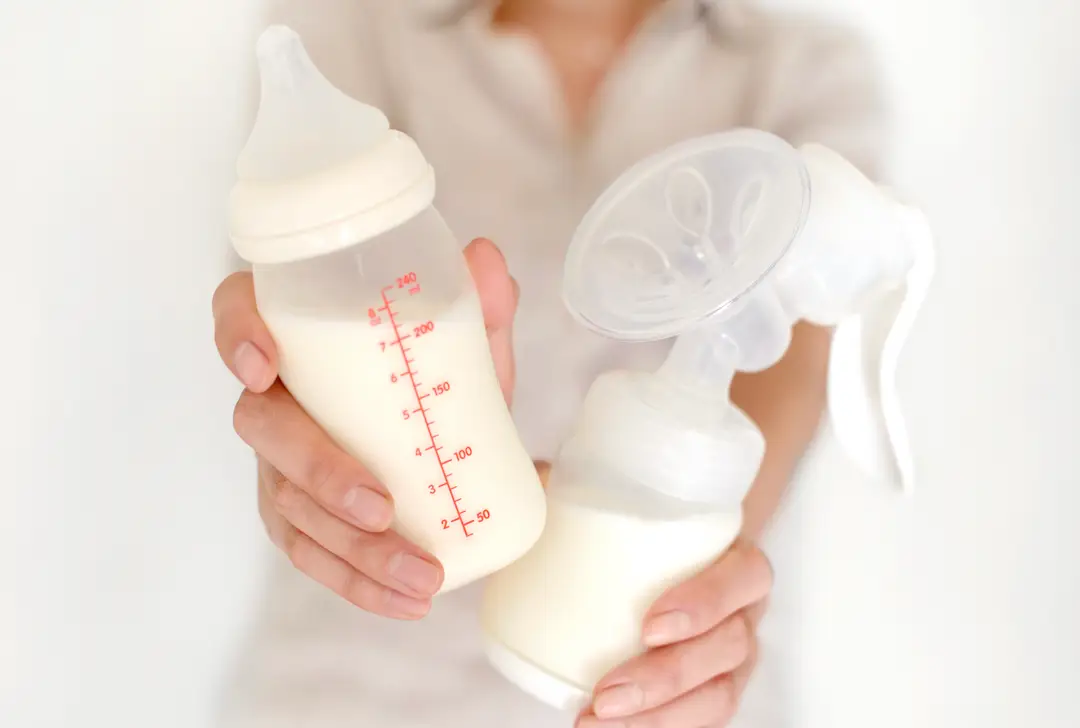
Recent reviews of D-MER note that the research is still limited, but the condition is increasingly described as a real, physiologic experience rather than a sign that a parent is doing something wrong. Experts also use broader terms such as breastfeeding aversion response to describe negative emotional reactions that can happen around milk letdown or feeding.
Whether someone is dealing with D-MER or ‘sad nipple syndrome’, current advice is mostly centered on coping methods that may help reduce distress in the moment.
“It’s important to note that some symptoms are severe and may lead to suicidal thoughts. If you experience thoughts of wanting to hurt yourself or others, please seek medical attention immediately. People with postpartum depression may find it harder to manage symptoms of D-MER.
“[…] It’s important to remember that D-MER is a physical response and not a psychological response. It doesn’t mean you’re depressed or angry at your baby or that you hate breastfeeding. If you think you have D-MER, talking to your healthcare provider, midwife or lactation consultant can help.”
The clinic also recommends tracking when symptoms appear, lowering stress where possible, maintaining skin-to-skin contact with your child if breastfeeding, and considering support from a therapist.
If symptoms keep happening, worsen, or make you avoid touch, intimacy, or breastfeeding, experts say it is worth discussing them with a healthcare provider. In some cases, a clinician may want to check for other causes of nipple pain, mood symptoms, or breastfeeding difficulties.
If you or someone you know is struggling or in crisis, help is available through Mental Health America. Call or text 988 to reach a 24-hour crisis center or you can webchat at 988lifeline.org. You can also reach the Crisis Text Line by texting MHA to 741741.