

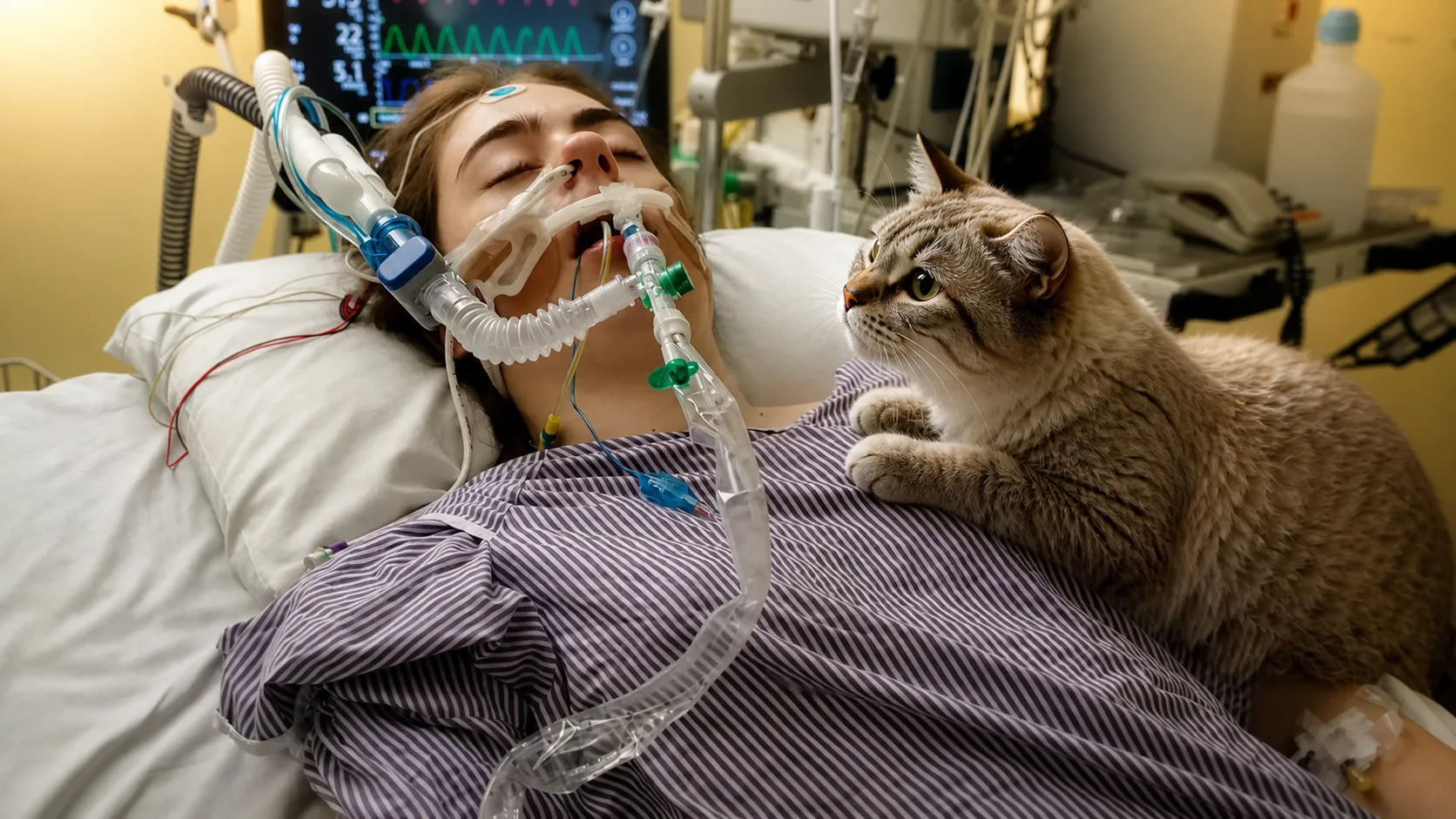
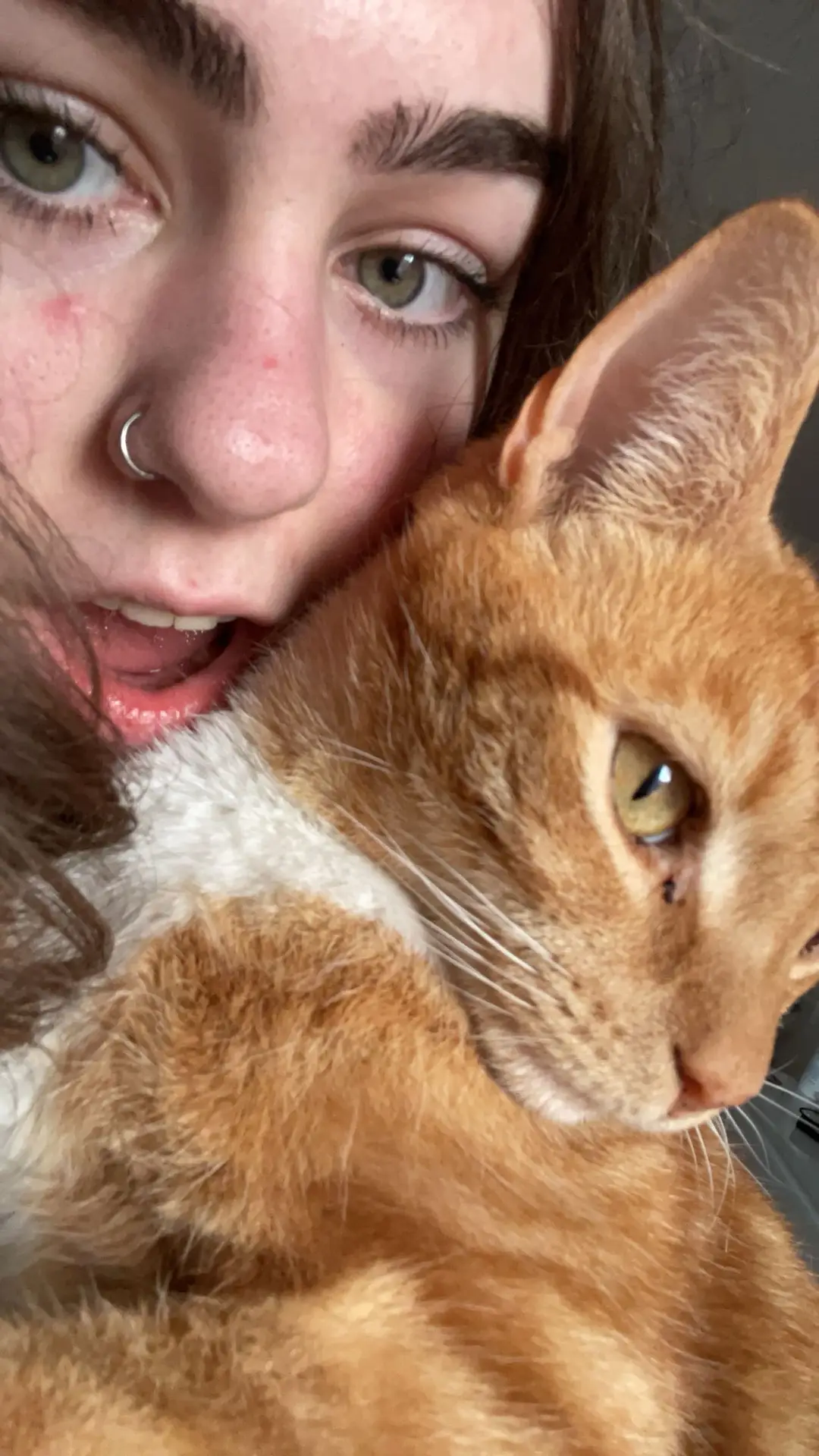
A 20-year-old woman says her family cat seemed to sense her leukaemia before it was formally diagnosed, after becoming unusually attached to her during both periods when she was ill.
Sophie Hilgers, from Hampshire, UK, was diagnosed with acute lymphoblastic leukaemia (ALL) when she was 15 after dealing for months with unexplained health problems such as vomiting, exhaustion, pain in her legs, a fever and a racing heart. ALL is a fast-moving cancer of the blood and bone marrow, and treatment can include chemotherapy, immunotherapy, CAR-T cell therapy and, in some cases, a stem cell transplant.
In hindsight, she believes her cat Arthur may have picked up that something was seriously wrong long before doctors reached an answer.
The family brought Arthur home in 2017, and Sophie said the relaxed ginger cat had never shown much interest in her. That began to change dramatically at the start of 2021.
Speaking with PA, she said: “He started to be really clingy and he wouldn’t leave me alone at all.
“He was following me around, which really wasn’t normal.”
Sophie said she went to her GP several times, but claimed they ‘just didn’t know how to help’.
Her condition deteriorated in July 2021, when she was taken to hospital.
After suffering a seizure, she was put into a coma for five days. When she regained consciousness, doctors told her she had ALL.
“I felt strange so I tried to get out of bed, but I had a seizure and my front teeth were smashed out on the floor,” she recalled.
Describing how she reacted to finally getting an explanation, she said: “I felt relief, after nearly two months of being quite unwell and going back and forth to the doctors, and them not knowing what’s wrong.”
She underwent seven months of chemotherapy and later went into remission. Around the same time, Arthur reportedly stopped behaving so differently.
“He went back to being completely disinterested in me,” she said.
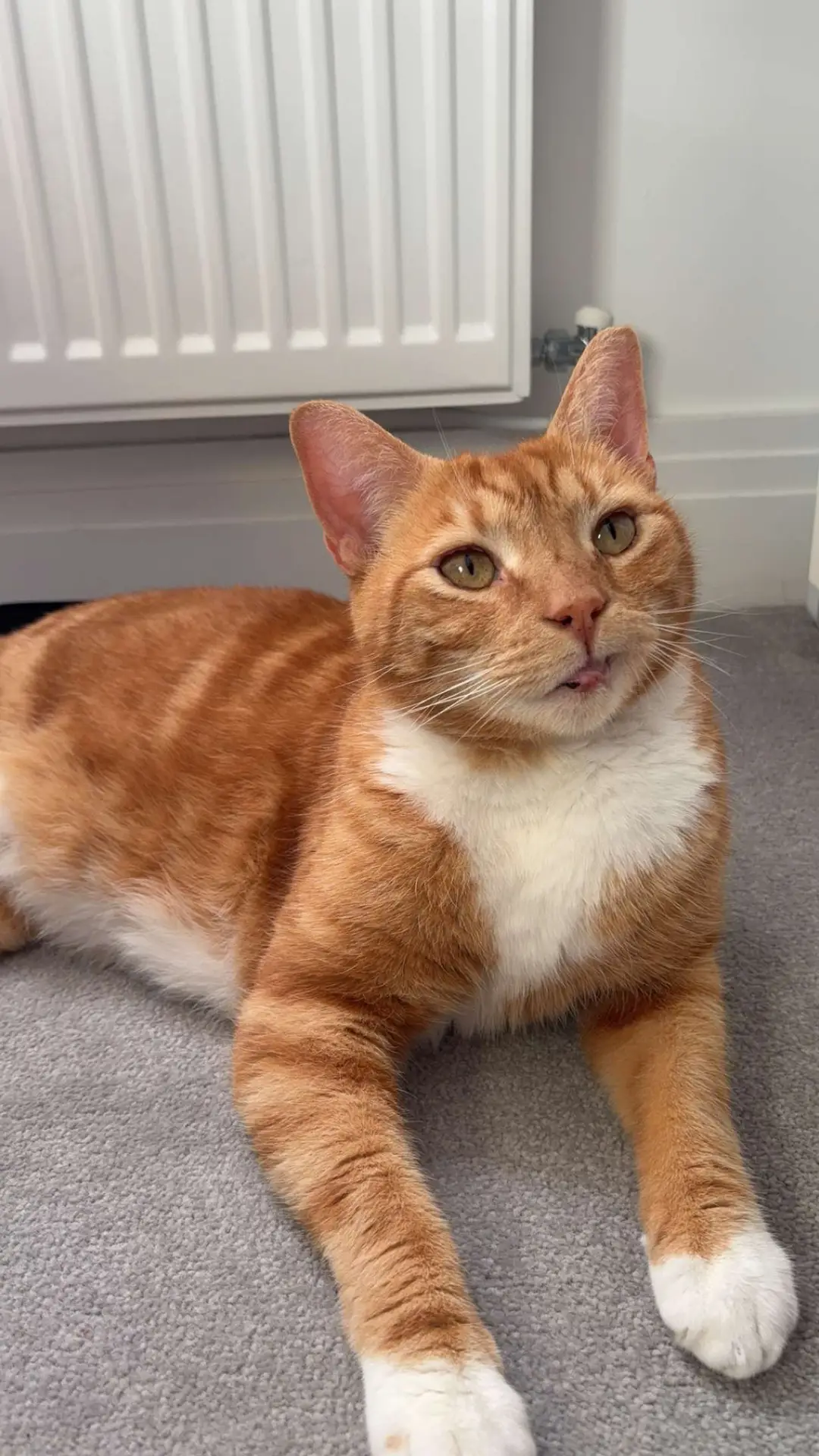
Then, in 2024, before tests confirmed her cancer had come back, Sophie said Arthur once again became much more affectionate than usual.
She said: “Just before we found out I had relapsed, he started being really clingy and meowing at me again and being affectionate.”
She then began immunotherapy and CAR-T cell therapy, finishing treatment at the end of October 2024, and was told she was cancer-free in December.
Arthur later developed cancer himself and died in November 2025 after complications linked to the illness.
Looking back on his final day, Sophie said: “I got home… and he wouldn’t come for my mum or my dad, but he would for me.
“So I picked him up and he hugged me like he did with his arm around me.
“Then my mum and dad took him to the vet, but I wasn’t with him because that would have been really sad.”
Stories like Sophie’s are anecdotal rather than scientific proof, but they have helped fuel interest in whether pets may notice subtle changes in a person’s smell, behaviour or routine before a diagnosis is made.