

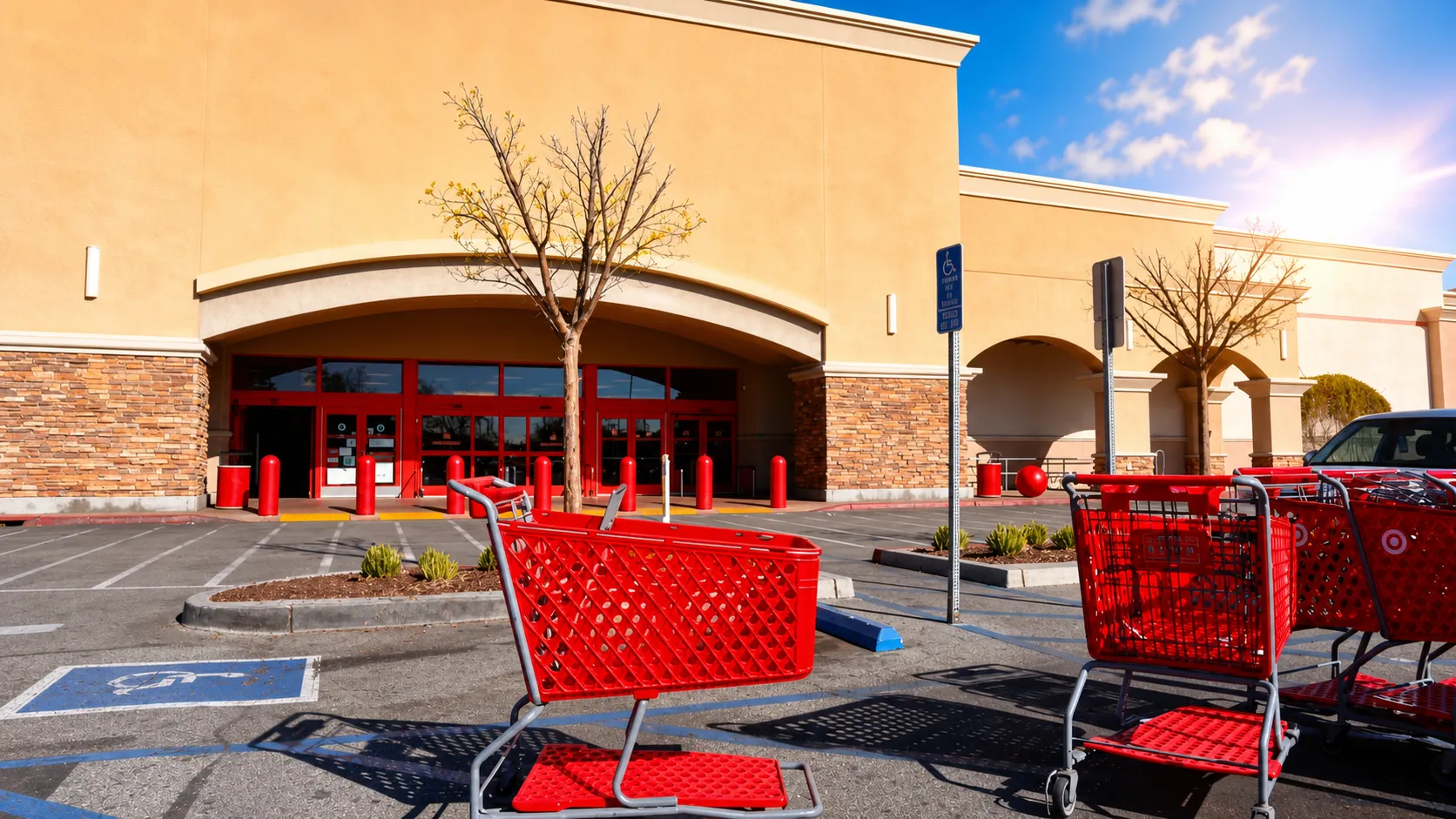
Target is rolling out a new way to measure customer service in stores, with employee friendliness becoming part of a broader push to improve the shopping experience and reverse a stretch of weak performance.
Retailers have long used subtle techniques to shape how people behave while shopping.
Everything from store layouts to background music can influence how long customers stay inside and how much they spend before heading to the checkout.
At Target, that wider in-store experience is now getting more attention under CEO Michael Fiddelke, who officially took over on February 1, 2026, and has made improving the guest experience one of the company’s top priorities.
Fiddelke has said Target is focused on making store visits and digital interactions easier, more inspiring and more welcoming, while also investing more in training, technology and store payroll.
Among the changes introduced is the company’s 10-4 rule, which some shoppers may already have noticed during recent visits.
Under that approach, if a customer is within 10 feet of a team member, the employee is expected to wave, greet them, or make eye contact.
Once the shopper comes within four feet, staff are encouraged to ask how their day is going or whether they need any assistance.
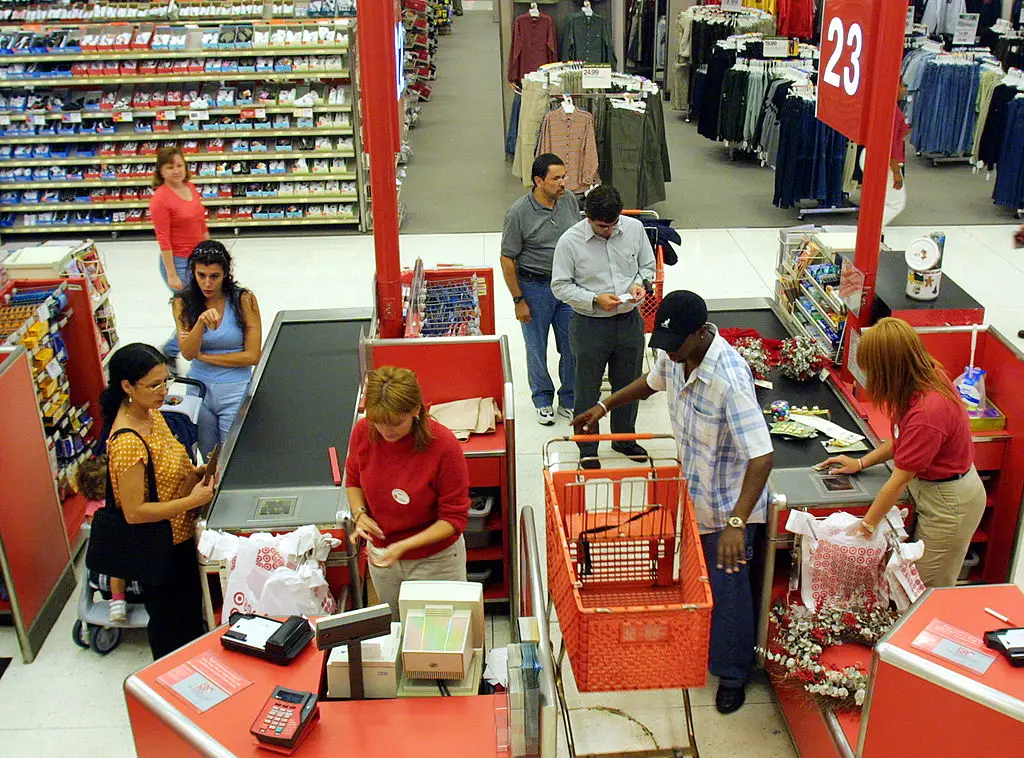
Target has since expanded that approach into a broader guest-experience framework that also looks at execution, teamwork and reliability, with the company tying more of its in-store standards to how stores perform overall.
A Target spokesperson said:
“Target is focused on getting back to growth, and elevating the guest experience is one of our top strategic priorities.
“We’ll continue investing in training and tools to deliver the experience our guests expect and that makes Target a delightful retailer.”
The company has also said it plans to extend the assessment across its network of more than 2,000 U.S. Stores, alongside additional payroll and training investment in 2026 designed to create a more consistent shopping experience.
“roll out the assessment broadly across the chain”
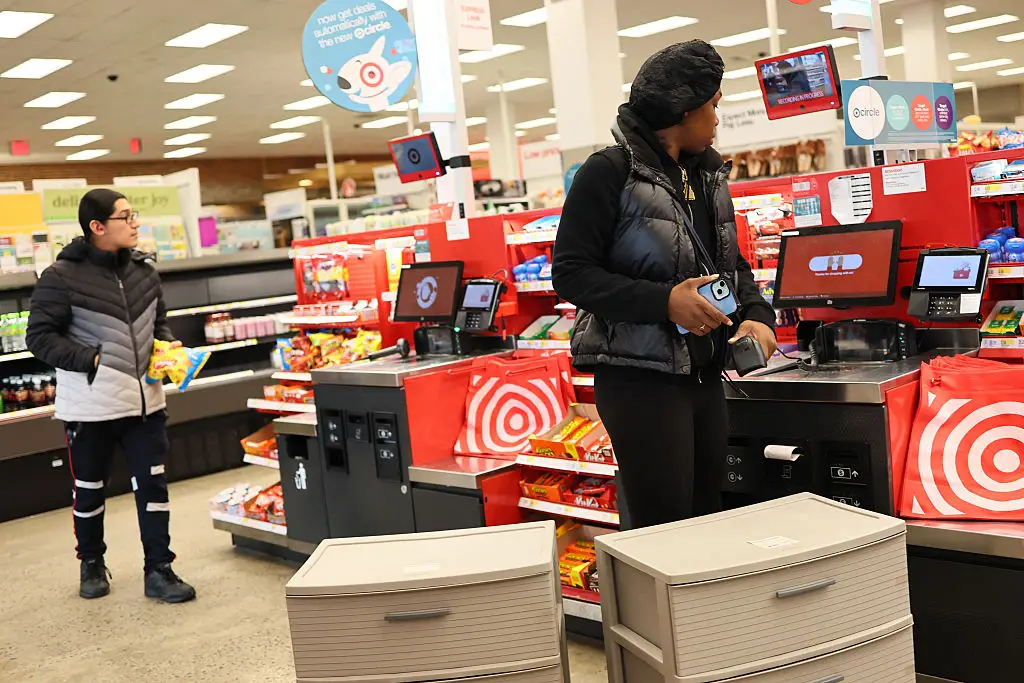
Target’s 2026 growth plan goes even further, with the retailer saying it will invest an incremental $2 billion this year, including more than $1 billion in additional capital spending and $1 billion in operating investments.
That plan includes store refreshes, more payroll and training, stronger digital and in-store experiences, and new technology aimed at making shopping feel easier and more personal.
The retailer’s four priorities now center on merchandising, guest experience, technology, and team development.
While Target has framed the changes as part of a return-to-growth strategy, the move has drawn mixed reactions from shoppers and workers alike.
Some social media users argue that staffing levels and workload matter more than scoring friendliness, saying employees cannot realistically deliver warmer service if stores are understaffed or under pressure.
Others have questioned how a subjective standard like friendliness can be measured fairly in practice, especially when customer interactions can vary widely from one shift to another.
Still, Target appears to be betting that a more consistent in-store experience will help it rebuild trust, improve satisfaction and get shoppers spending more time in its stores.