

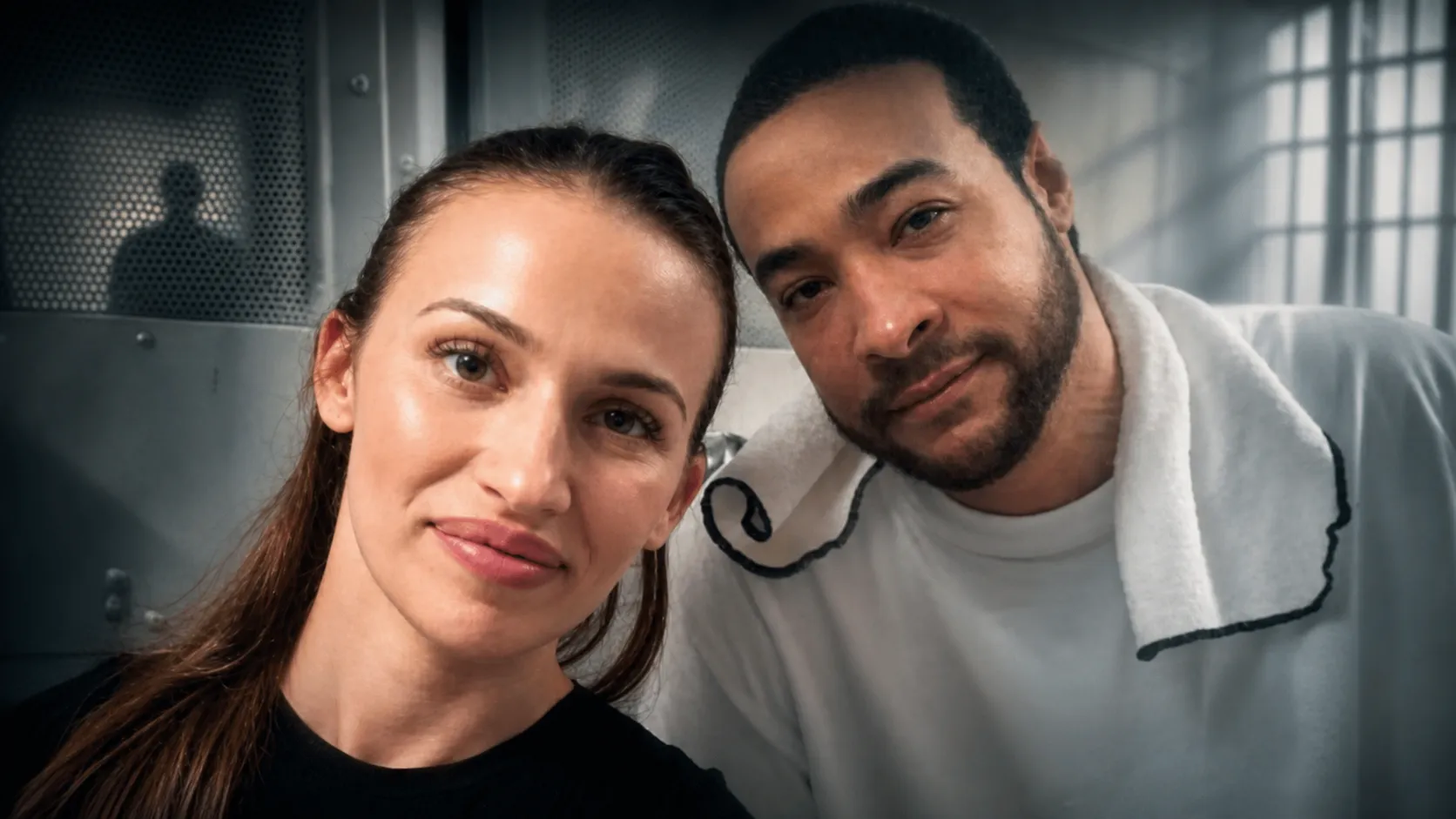
A 31-year-old woman has spoken about her relationship with James Broadnax, a Texas death row inmate convicted of a double murder, whom she married just days before he was executed by lethal injection on April 30, 2026.
Tiana Krasniqi wed Broadnax at the Allan B. Polunsky Unit in Livingston, Texas, on April 14, 2026, two weeks before his scheduled execution. Instead of beginning married life in the usual way, she spent the brief time after the ceremony visiting him in the high-security prison where he remained until his death.
The relationship began online. After forming a bond with Broadnax over the internet, she traveled from London to Texas to marry him and was later present to witness his execution, having left her young daughter at home in Britain.
Krasniqi, who works as a dental nurse, said she was studying part-time for a master’s degree in human rights law when she came across his profile.
She found him through Writeaprisoner.com, a pen-pal website that connects members of the public with incarcerated people around the world.
Although some users of the platform have gone on to find romantic partners, she said that was not what she had been seeking.
Speaking to the outlet, she said:
“Well, I was looking for something that doesn’t have that, somebody that won’t approach me romantically.
“I’m trying to tick everything that won’t turn into a romantic relationship.”
By that stage, Broadnax had already spent more than 16 years on death row.
Broadnax had been sentenced to death in 2009 for the robbery and shooting deaths of Christian music producers Stephen Swan and Matthew Butler in Garland, near Dallas. In the months leading up to his execution, his legal team pursued last-minute appeals arguing that his cousin and codefendant, Demarius Cummings, had confessed to being the shooter and that Broadnax had been wrongly condemned.
As she learned more about his case, her interest deepened. After making contact, she said they ended up speaking every day.
Their connection intensified over time, with phone conversations sometimes stretching to six hours a day.
Early last year, Krasniqi flew to Texas to meet him face-to-face for the first time, though the visit took place through a glass partition.
After that trip, she not only considered Broadnax her partner, but also became determined to support efforts to challenge his death sentence.
When he proposed one Saturday evening last spring, she said yes.
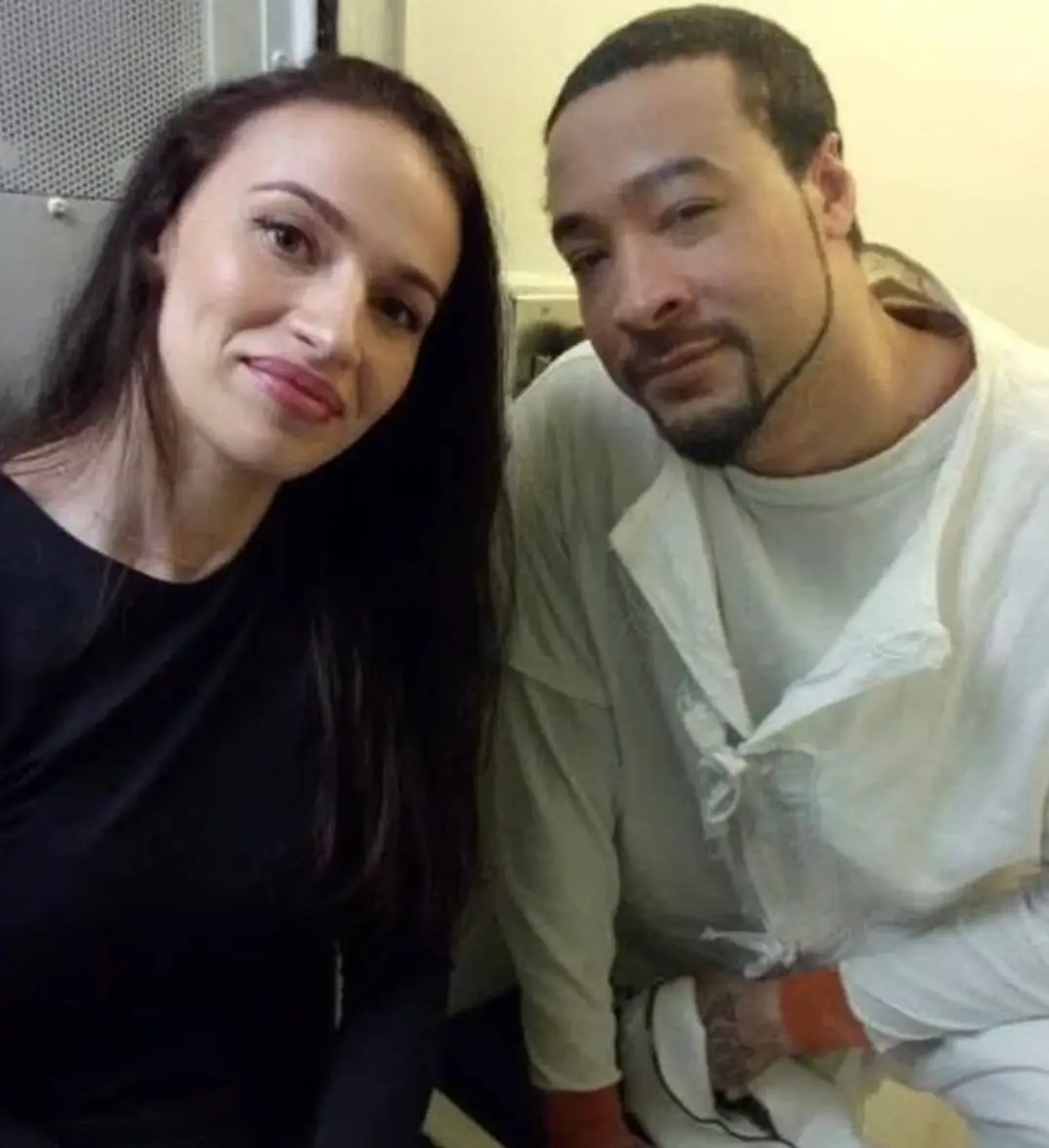
The ceremony itself lasted around 20 minutes and was held at the Allan B Polunsky Unit in Texas.
Two prison officers acted as witnesses, while the couple exchanged vows through an internal telephone system, separated by reinforced glass.
Just two weeks later, on April 30, Broadnax was executed in Huntsville after the U.S. Supreme Court declined to halt the sentence.
Krasniqi watched from the viewing area after being designated as his official witness and saw the lethal injection being carried out.
Describing what she saw, she said:
“I watched his lips go blue, his face go blue and then his veins on his forehead appeared.
“We spoke to each other the whole time. His head jerked back and he couldn’t finish his last word, and his head fell looking at me and he closed his eyes.”
She also spoke about the emotional toll of those final moments, saying:
“We had promised that we would look at each other and talk to each other while it was happening.
“He suffered. His body struggled… His last words to me were ‘Don’t give up’ and ‘I love you’.
Before he died, Broadnax used his final statement to insist that Texas had made a mistake and to ask the victims’ relatives for forgiveness. He said he hoped his case would inspire a broader reckoning with the death penalty.
Krasniqi has since described the execution as devastating, saying she believes Broadnax was wrongly convicted and that she intends to keep pressing for attention to his case. His supporters had pointed to his codefendant’s confession and raised concerns about the evidence used at trial, while prosecutors maintained that Broadnax was responsible for the killings.
The case has also drawn renewed attention to Texas’s use of capital punishment. The state has carried out more executions than any other in the country since capital punishment resumed in 1982, and Broadnax’s death came amid continued debate over wrongful convictions, co-defendant confessions and the fairness of death penalty trials.