

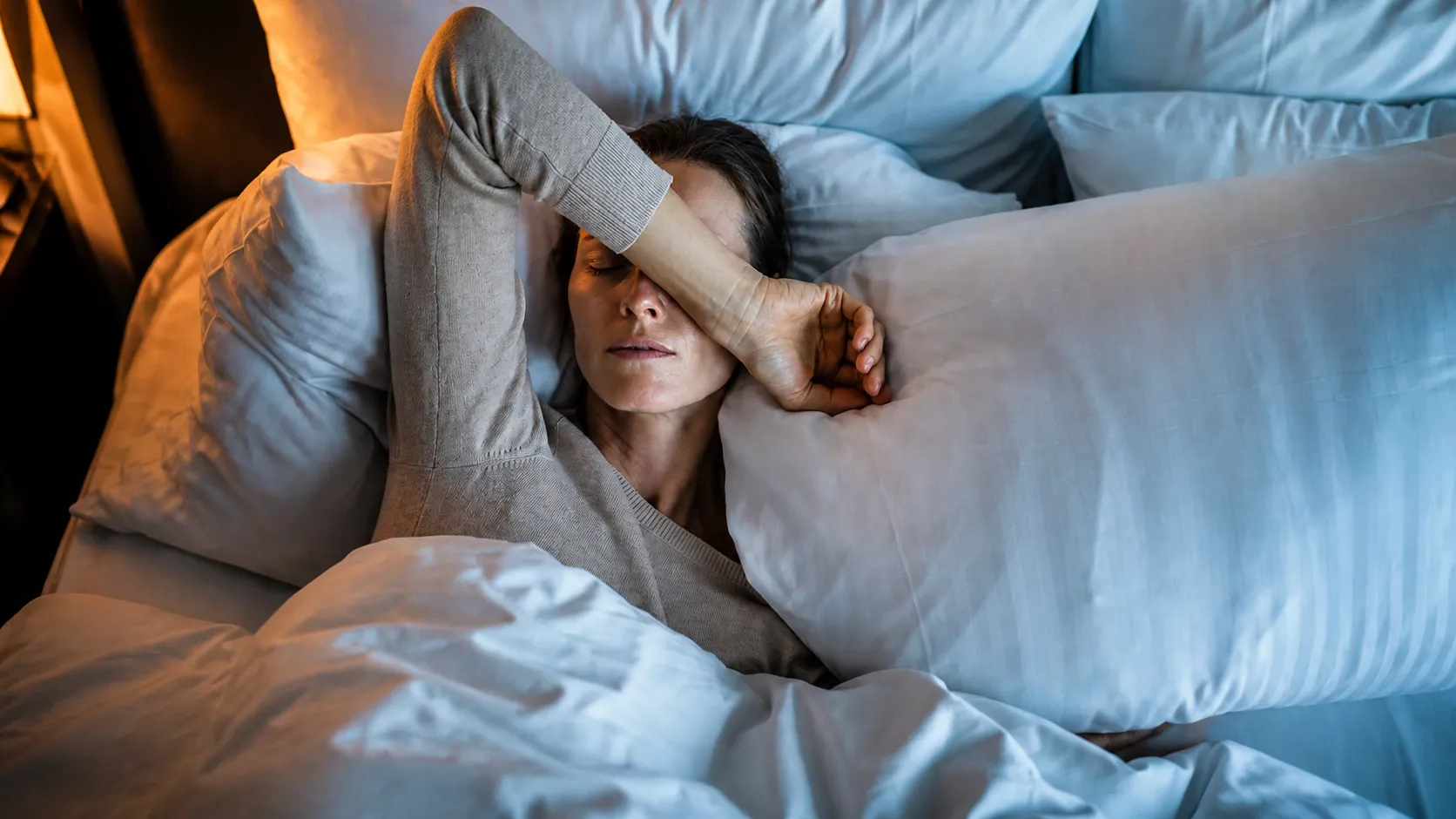
Struggling to drift off, or finding yourself awake in the middle of the night? Some habits that seem good for you could actually be making sleep worse.
You can stick to a solid routine and still end up restless if something is throwing your body out of balance.
Sleep is often one of the first places those problems show up, and poor rest can have a knock-on effect on everything from energy levels to concentration.
Experts say sleep quantity matters, but so does getting through the night without repeated disruptions. Adults generally need at least seven hours of sleep a night, and sleep quality can be just as important as the number of hours in bed.
That means even habits with a healthy reputation can become a problem if they interfere with proper rest.
Lisa Artis, deputy chief executive of The Sleep Charity, outlined several common behaviors that may be working against you in comments to the Express.

One of them is matcha, which has become hugely popular as an alternative to coffee.
While many people see it as a milder option, Artis said that can create a false sense of security when it comes to bedtime.
Lisa explained: “Because matcha feels gentler than coffee, we don’t always register it as caffeine.
“People often assume that because a drink feels light or ‘clean’, it’s automatically sleep-friendly. But caffeine is caffeine and even small amounts in the afternoon or evening can make it harder to switch off at night.”
Caffeine can linger in the body for hours, so even drinks that are marketed as wellness-friendly may still affect people who are sensitive to it. Sleep experts commonly recommend avoiding caffeine later in the day if you have trouble falling asleep or staying asleep.

Vitamin B12 is another example. It is essential for some people, particularly those who are deficient, but not everyone necessarily needs extra supplementation.
Most people in the United States get enough vitamin B12 from food, but deficiency can occur in people with certain medical conditions, in older adults, and in people who follow restrictive diets. If you are not deficient, taking high-dose supplements may not provide any sleep benefit and could be unhelpful for some people.
Artis warned that high-dose B12 supplements, particularly methylcobalamin, may lead to earlier waking, difficulty falling asleep, or other sleep disturbances.
That comes down to the vitamin’s potentially stimulating effect.
She also flagged calcium supplements as something worth approaching carefully, recommending that people speak with a healthcare professional before adding new supplements to their routine.
Calcium is important for bone health, but supplement timing, dose, and the reason for taking it all matter. If you are already taking several vitamins or medications, it is worth checking for interactions or side effects that could indirectly affect sleep.

Exercise can also become a sleep issue, especially when intense sessions happen too close to bedtime.
Gentler movement in the evening, such as yoga or stretching, may help some people relax. But harder training later at night can have the opposite effect, leaving the brain alert long after the workout ends.
Lisa said: “High-intensity workouts push your heart rate into extreme training zones, which is great in small doses. But too much — or too late in the day — can leave your body stuck in a heightened state of alertness.
“This is why it is possible to feel physically exhausted after a late HIIT class, but mentally wired. Your body is tired, but your nervous system hasn’t switched off.”
For most people, moderate exercise earlier in the day is unlikely to harm sleep, and some people can work out in the evening without problems. But if you notice that late sessions leave you buzzing, moving exercise a little earlier may help.

Sleep hygiene is another major factor. That term refers to the habits and environment that help prepare your mind and body for rest, and it starts before your head even hits the pillow.
The goal is to reduce stimulation and create conditions that make falling asleep, and staying asleep, easier.
Lisa said: “You can do all the right things during the day, but if your mattress doesn’t help your body settle, align and regulate temperature, your overall sleep quality still suffers.”
She advised keeping the room dark, quiet, and cool, and using a bed that properly supports spinal alignment.
A comfortable mattress, minimal noise, limited light, and a cooler bedroom temperature can all help. So can a regular wind-down routine that signals to your brain that bedtime is approaching.

Even water intake can become an issue if most of it is pushed too late into the evening.
Although staying hydrated is important, drinking a lot right before bed can trigger repeated trips to the bathroom, interrupting the deeper stages of sleep as well as REM sleep.
Lisa warned that drinking water before sleep could result in nightly bathroom trips, disrupting both deep and REM sleep, which are essential for memory and brain function.
She recommended drinking earlier in the day to preserve your sleep, noting: “Every awakening fragments sleep. Even if you fall back asleep quickly, the quality of your rest is reduced.”
If you are waking up to pee several times a night, it may help to shift most fluids earlier in the day and ease off close to bedtime, while still making sure you stay hydrated overall.
So if your sleep has been off lately, it may be worth checking whether one of these well-intentioned habits is part of the problem.
If poor sleep is happening most nights, or you are also dealing with snoring, gasping, restless legs, pain, anxiety, or frequent urination, it is worth speaking with a healthcare professional. Sleep problems can sometimes be a sign of an underlying medical issue rather than just a bad bedtime routine.