

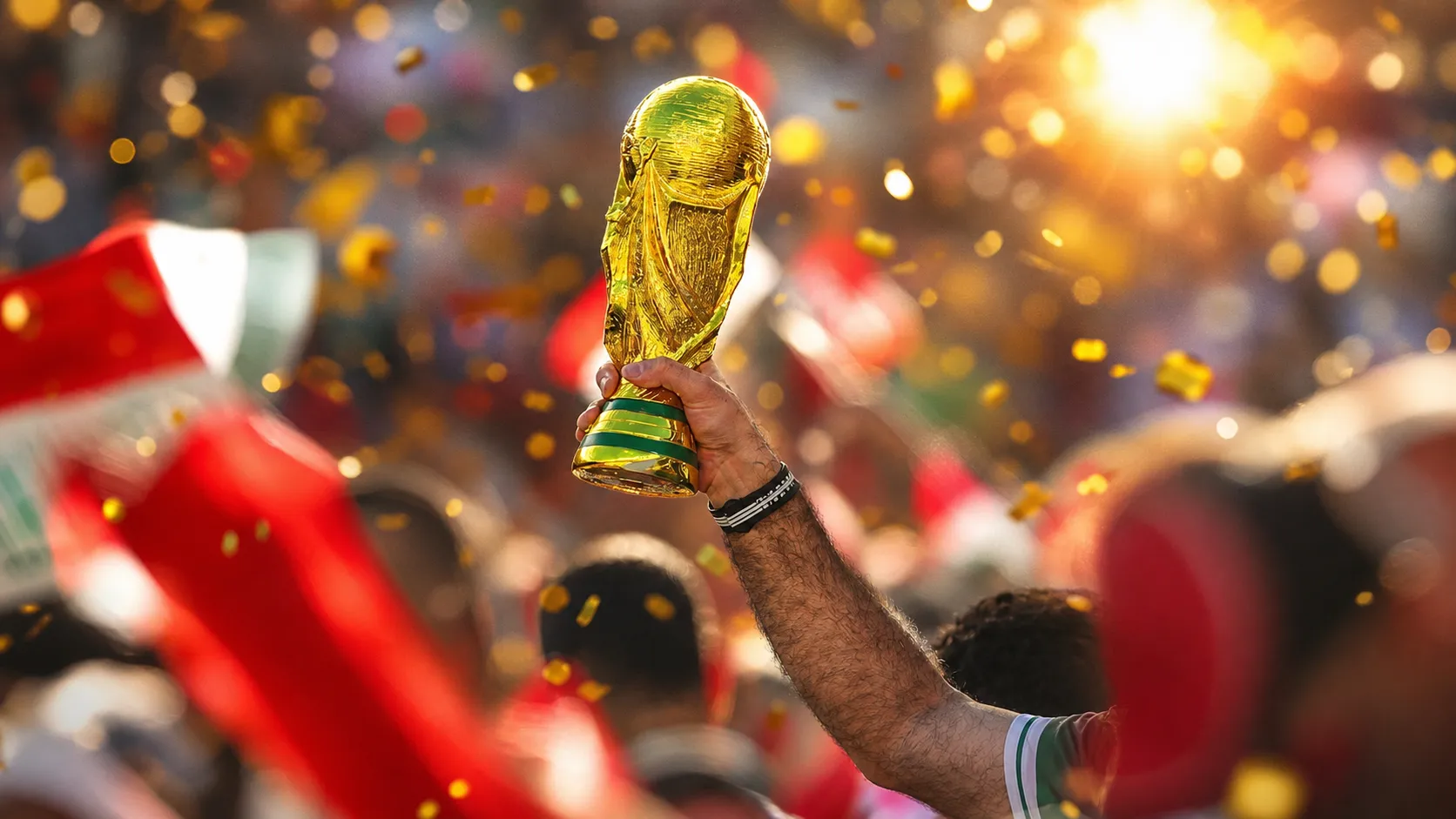
The 2026 World Cup has already sparked endless debate, with fans, analysts and algorithms all offering their own picks for who will be crowned champions in July.
Forecasts are coming from every direction, but one prediction carries extra intrigue because of the person behind it.
German mathematician Joachim Klement has successfully identified the winners of the past three World Cups, backing Germany in 2014, France in 2018 and Argentina in 2022.
After that run of accuracy, his latest call is bound to attract attention.
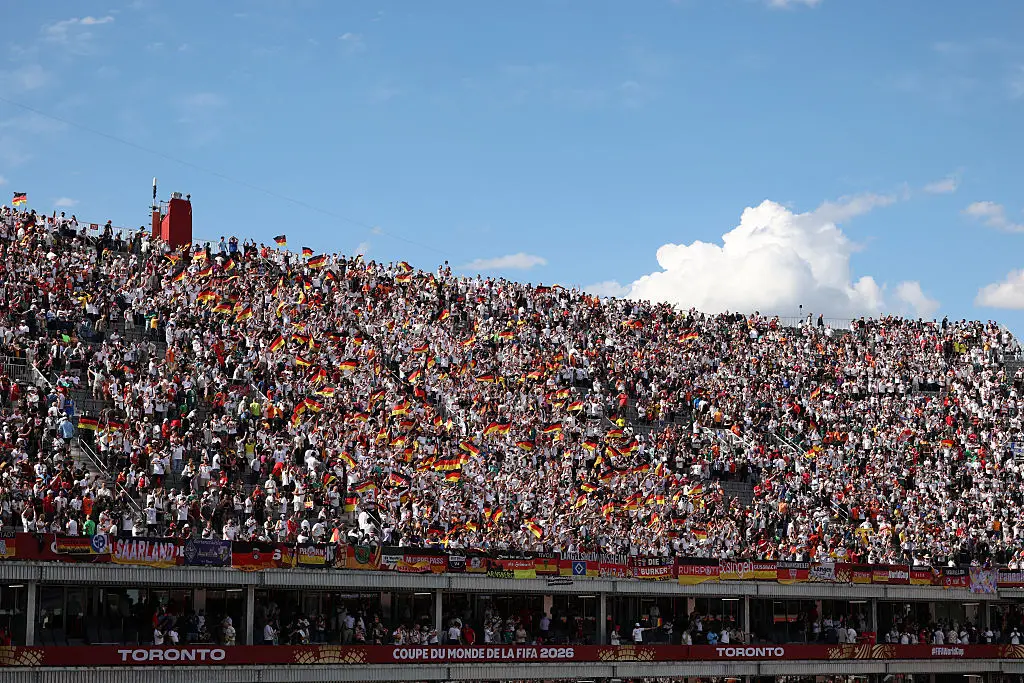
This year’s tournament is the first men’s World Cup to feature 48 teams, and it is being staged across the United States, Canada and Mexico. The final is set for Sunday, July 19, 2026, at MetLife Stadium in East Rutherford, New Jersey.
Even with the tournament spread across three countries, Klement is not tipping any of the host nations.
Instead, he believes the Netherlands will go all the way, despite the Dutch never having won the competition and not being viewed as one of the leading favorites by bookmakers.
German mathematician Joachim Klement has correctly predicted the past three FIFA World Cup winners. He explains to CBS News' @RamyInocencio why he picked a non-favorite to win it all. pic.twitter.com/91rWMwi8kj
— CBS News (@CBSNews) June 10, 2026
Klement’s method is based on economics rather than recent performances or individual star names. “It uses economic variables to try to predict which teams are likely to win,” he said.
His model focuses on four main elements: population size, climate, the level of wealth and infrastructure available to nurture players, and the team’s current FIFA ranking.
In his view, a larger population increases the chances of producing elite talent, while a suitable climate helps players train consistently throughout the year. That helps explain why “usual suspects” such as Brazil, Argentina, Germany, France and Spain regularly rank highly in his system.
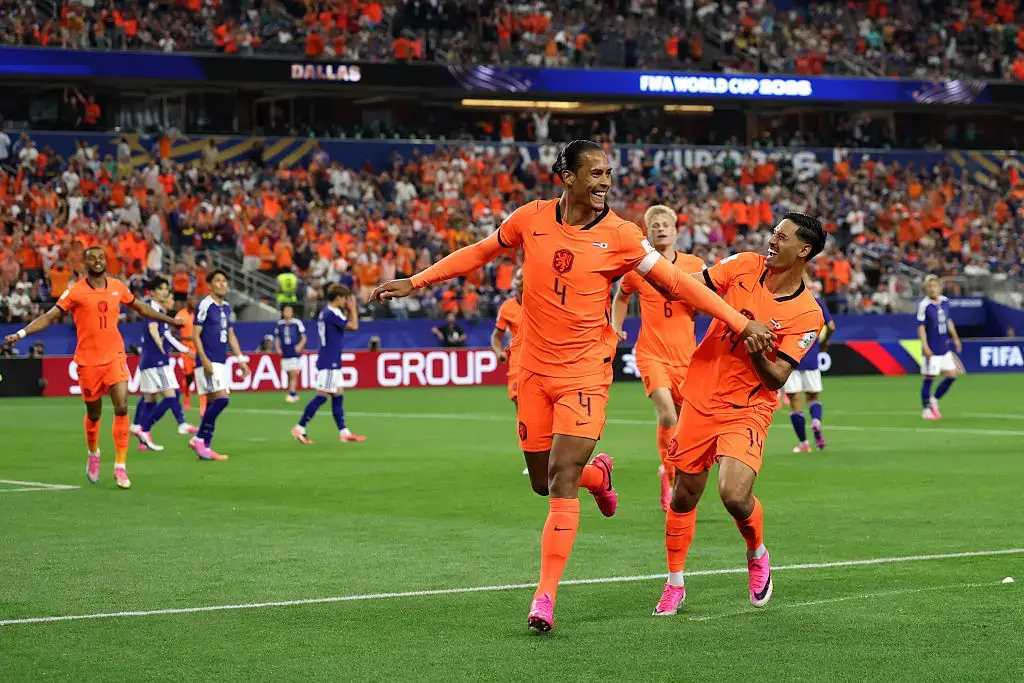
As for why he has landed on the Netherlands, Klement noted that the country has already made it to three World Cup finals despite never lifting the trophy. He also argued that while the current squad may not have a singular icon on the level of Lionel Messi, it is balanced, defensively solid and without any glaring weakness.
That said, Klement is not the only one leaning on data to make a call.
Goldman Sachs has also put Spain at the top of its 2026 World Cup model, giving Luis de la Fuente’s side a 26 percent chance of winning the tournament. The bank’s forecast places France, Argentina and Brazil behind Spain, with England further back in the chasing pack.
ChatGPT, though, arrived at a much more expected conclusion by choosing Spain. That prediction was based on betting odds and statistical forecasts, which generally place Spain, France and Argentina as the three strongest contenders, with England and Brazil not far behind.
It also cited Goldman Sachs’ tournament simulations, which currently make Spain the narrow favorite.
In ChatGPT’s projected final, Spain defeats France, while Argentina is expected to reach at least the semifinals. Its broader order of contenders was Spain, France, Argentina, England, Brazil, Portugal and Germany, while also pointing out that knockout football can turn on one poor performance, one injury or a penalty shootout.
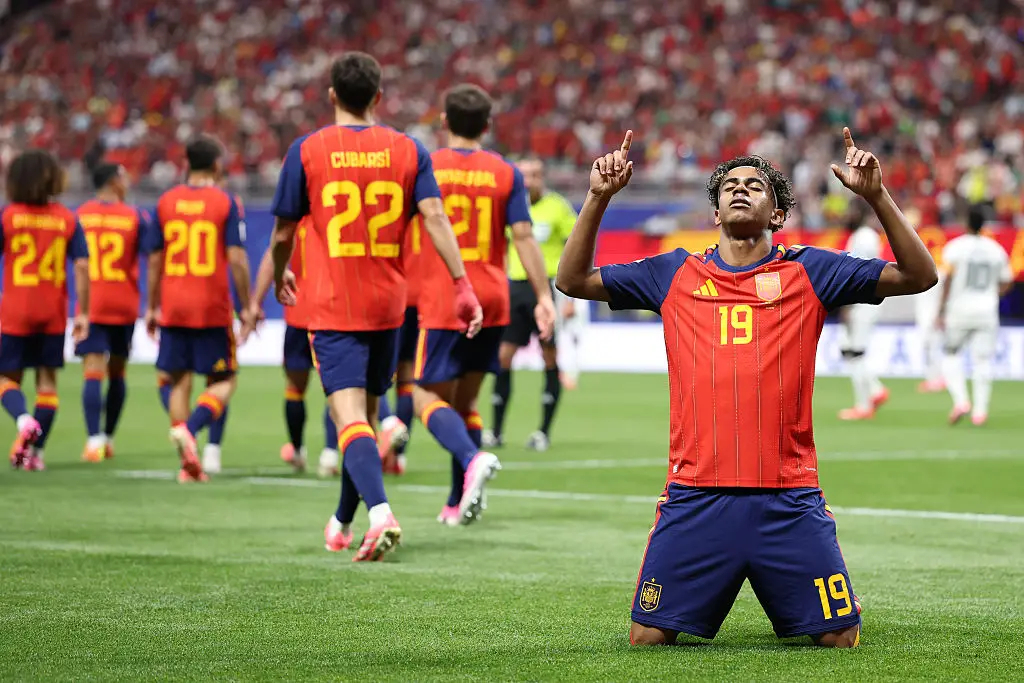
Another academic forecast, this time from the University of Innsbruck, also favored Spain over the Netherlands. Researchers there assessed previous results, bookmaker prices, squad market values and player ratings to estimate each nation’s chance of winning the tournament.
That model gave Spain a 14.5 percent chance of becoming world champions, while England and France were level in second place at 12.4 percent.
With the final still scheduled for July 19, there is still time for all of these projections to be validated — or completely torn apart.