


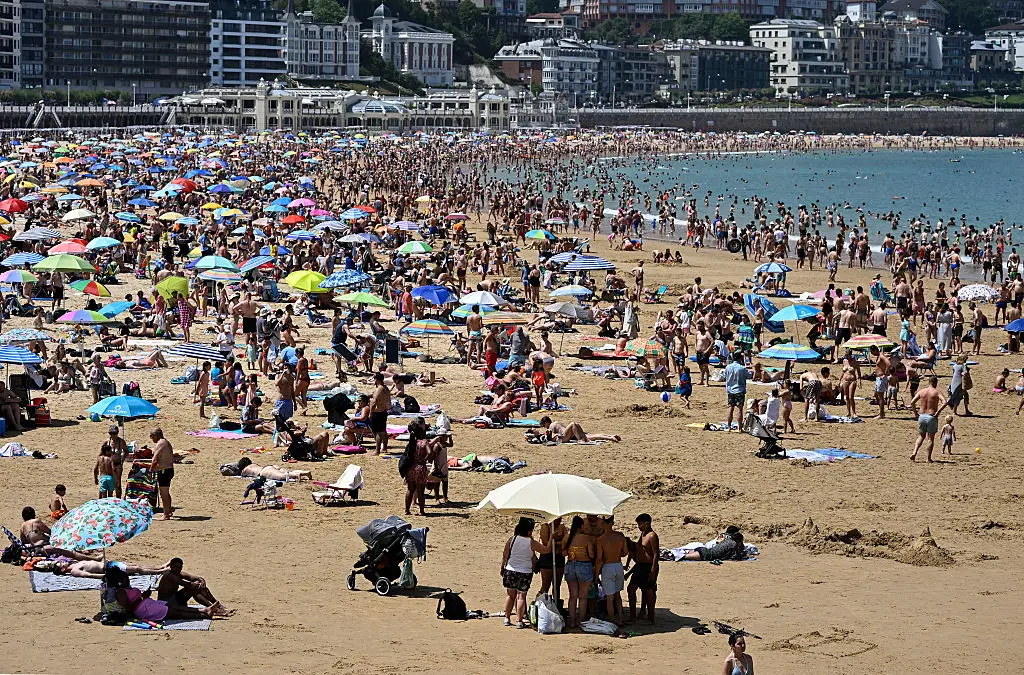
Large parts of Europe are sweltering through an intense summer spell, with temperatures in some areas expected to climb beyond 100 °F.
The latest heat is part of a wider pattern of more frequent and more intense hot spells across Europe, which health authorities say are becoming harder for communities and infrastructure to cope with. The World Health Organization says heat is a major environmental health hazard, and that older adults, young children, pregnant people, outdoor workers and anyone with chronic illness face the greatest risks.
In France, nationwide average temperatures on Monday may approach record-breaking levels, with forecasts ranging from 99°F to 108°F.
The extreme conditions have already had deadly consequences, with three reported heat-related deaths. Thousands of schools have shut their doors, while others have shortened the school day in an effort to protect pupils from the severe heat.
“We’re heading for, at the very least, several days of very, very hot weather. We don’t know when temperatures will start falling,” Health Minister Stephanie Rist said on TF1.
French weather officials have also expanded heat alerts across more parts of the country as the heatwave has intensified, with some areas expected to see very hot days and warm nights that make recovery difficult.
In the UK, the Met Office has warned that a four-day heatwave is approaching, and temperatures in the next few days may even surpass the standing June record.
Heat-health alerts in the UK run from 1 June to 30 September, and the system is designed to warn health and social care services, as well as the public, when hot weather is likely to affect people’s health and wellbeing.
As much of the continent faces soaring temperatures, understanding how to stay safe in the heat is especially important, particularly for people who are more at risk.
The NHS explains: “Many of us welcome hot weather, but when it’s too hot, there are health risks. During heatwaves, more people than usual get seriously ill or die. When hot weather hits, make sure it does not harm you or anyone you know.”
According to the NHS, the three main dangers linked to a heatwave are dehydration, overheating, plus heat exhaustion and heatstroke.
If possible, people are encouraged to avoid the hottest conditions altogether. When going outdoors is necessary, the NHS advises staying in shaded areas, especially from 11am to 3pm when the sun is strongest.
People are also encouraged to wear sunscreen, a hat and lightweight clothing, while avoiding exercise or any activity that increases body temperature.
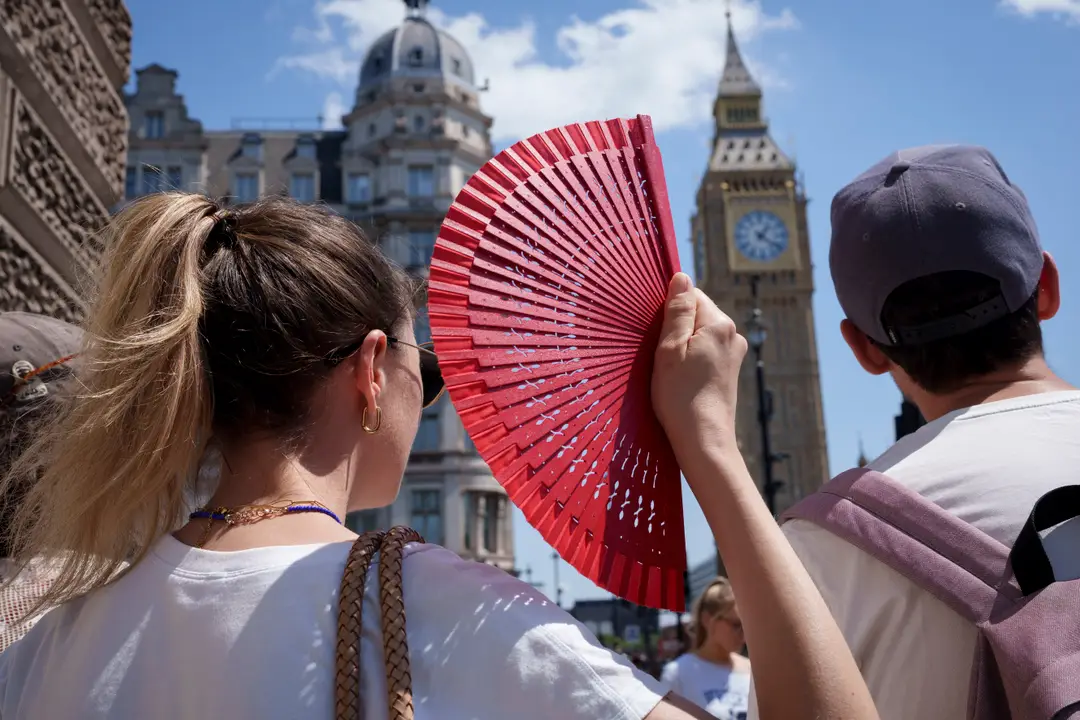
The NHS adds: “Cool yourself down. Have cold food and regular cold drinks. Drink extra fluids but avoid alcohol, caffeine and hot drinks, and have a cool shower or put cool water on your skin or clothes.
“Keep your living space cool. Close windows, curtains and blinds during the day and open them at night when the temperature outside has gone down. Electric fans can help if the temperature is below 35 degrees.
“Check the temperature of rooms, especially where people at higher risk live and sleep, and make sure to check on anyone who is at higher risk from the heat.”
Although extreme heat can affect anyone, the greatest risks are typically faced by people over 65, babies and children under five, pregnant people, and those living with underlying health conditions. People who work outdoors, live alone, or do not have access to cool indoor spaces are also more vulnerable.
It is also important to know the warning signs of heat exhaustion and heatstroke. Symptoms can include headache, dizziness, nausea, heavy sweating, fast breathing, weakness, confusion, cramps and a high temperature. Heatstroke is a medical emergency and anyone showing signs of it needs urgent help.
Officials say people should also check on older neighbours, relatives and anyone at higher risk during hot spells, because the effects of extreme heat can build quickly, especially overnight when temperatures remain high and the body has less chance to recover.
Staying hydrated, keeping indoor spaces as cool as possible and avoiding strenuous activity during the hottest hours are among the simplest ways to reduce the risk until temperatures begin to ease.