

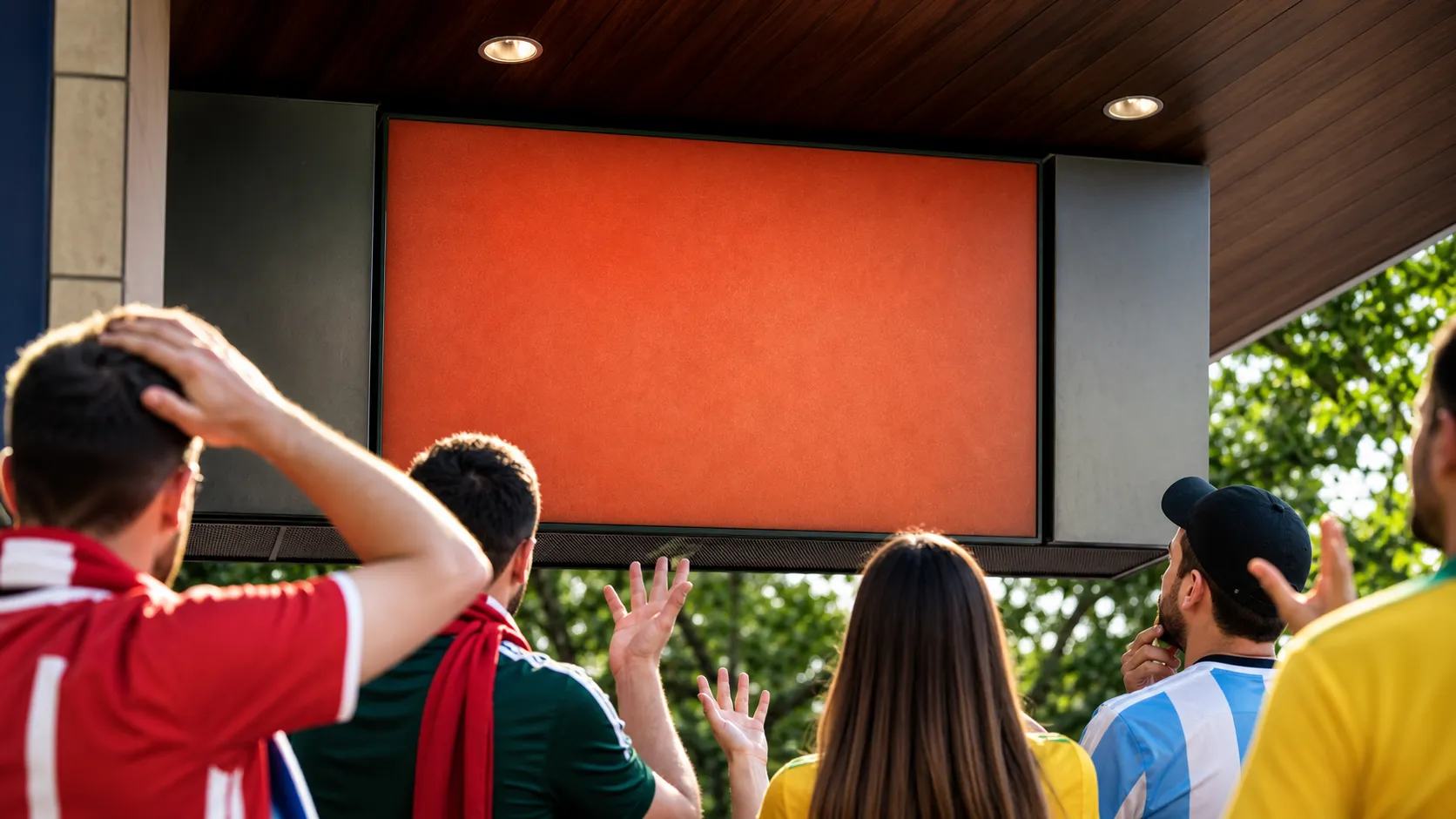
Supporters heading to the 2026 World Cup have reacted angrily after stark differences in stadium food and drink costs were exposed just days into the tournament.
The competition is being staged across 16 venues in the United States, Mexico and Canada from June 11 to July 19, 2026. While much of the build-up focused on ticket prices, attention has now shifted to what fans will pay once they are inside the stadium. There is no universal pricing policy for concessions during the tournament, so food and drink costs are set by individual venue operators and concession partners.
That has produced dramatic variation from one host city to another. At some venues, fans have been able to buy bargain-priced matchday snacks, while at others they have faced premium prices more commonly associated with luxury dining than stadium food.
One venue that stands out is Atlanta’s Mercedes-Benz Stadium.
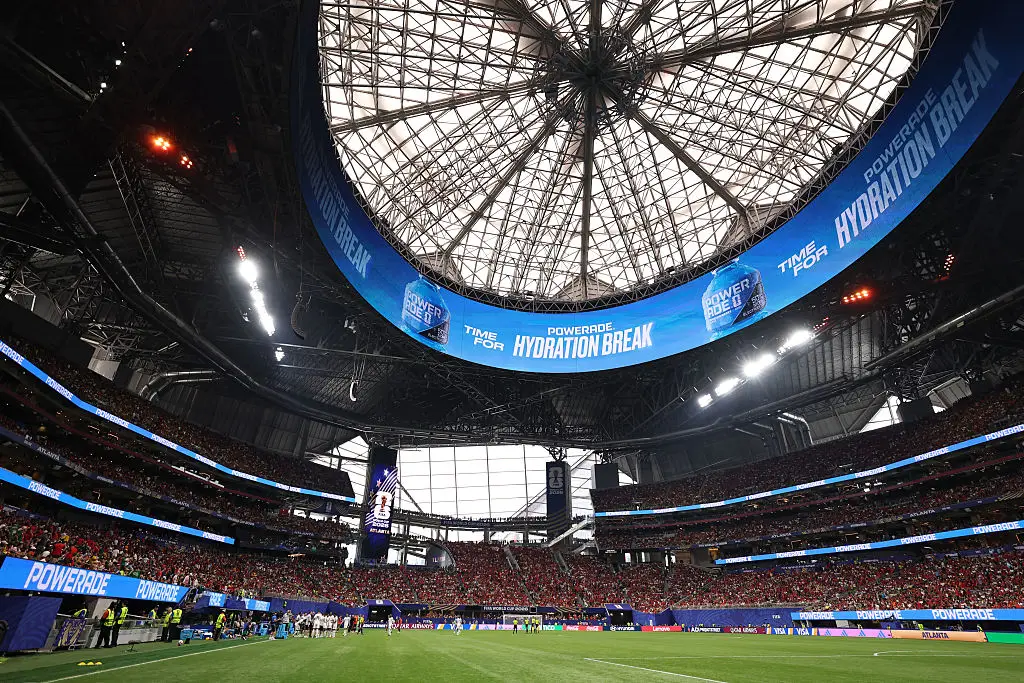
The stadium has built a reputation in US sport for its “Fan First Pricing” approach, which is designed to keep concession prices low instead of pushing them up to premium-event levels.
Mercedes-Benz Stadium has confirmed that the model will remain in place for the World Cup. Food and drink prices there include hot dogs, pretzels and popcorn at $2, pizza, nachos, fries and bottled water at $3, and 12-ounce domestic beer at $5. Other menu items can still be higher, but the venue remains far cheaper than most major stadiums in North America.
At other host venues, however, the outlook is far less appealing for supporters. Across the tournament, the menu has included examples such as a $75 caviar-topped tray of tots in Miami, a $40 empanada there, $22 Twinkie cheeseburgers in Los Angeles, and rib-eye tacos for $8 in Guadalajara. In Toronto, some fans have also been stunned by prices such as a beer costing 24.25 Canadian dollars.
That disparity has fueled criticism that the World Cup is becoming an increasingly expensive experience for ordinary supporters, especially international visitors who are not used to North American stadium pricing. For many fans, a couple of drinks and a snack can cost as much as a modest ticket would in other parts of the world.
Location also appears to be influencing prices. Mexico’s venues have generally been cheaper than many of the larger US and Canadian stadiums, reflecting both local market conditions and the different concession setups used by each host site.
For FIFA, that creates an awkward talking point. The governing body has long promoted the World Cup as a global festival of the game, but the in-stadium experience can look very different depending on where a fan is sitting.
Atlanta has shown that reasonably priced food and drink can still be offered at a huge event. By contrast, stadiums charging multiple times more are drawing criticism over affordability and whether supporters are really getting value for money. And concession pricing is not the only issue troubling organisers.

Earlier this month, FIFA reversed an initial policy after facing criticism for saying reusable water bottles would not be allowed inside stadiums on safety grounds. The move drew backlash from supporter groups and environmental campaigners, who argued it would increase both fan costs and plastic waste.
FIFA later changed the rule for matches in the United States and Canada, allowing each spectator to bring one factory-sealed disposable plastic water bottle of up to 20 ounces into the stadium. Reusable and hard-sided bottles are still prohibited.
The controversy has highlighted a wider conflict within the tournament. FIFA has emphasized its sustainability and human rights messaging, along with recycling and waste-management efforts promoted by host cities. But security and commercial decisions do not always line up neatly with those ambitions.
All of this adds to the already significant cost of attending games in person. Hotel prices near host stadiums have risen sharply in some cities, and transport costs have also become a concern for traveling fans. For many supporters, food and drink are just one more part of a much more expensive World Cup trip.
With matches now under way, the issue is likely to remain a major talking point every time fans compare receipts from one stadium to another.