

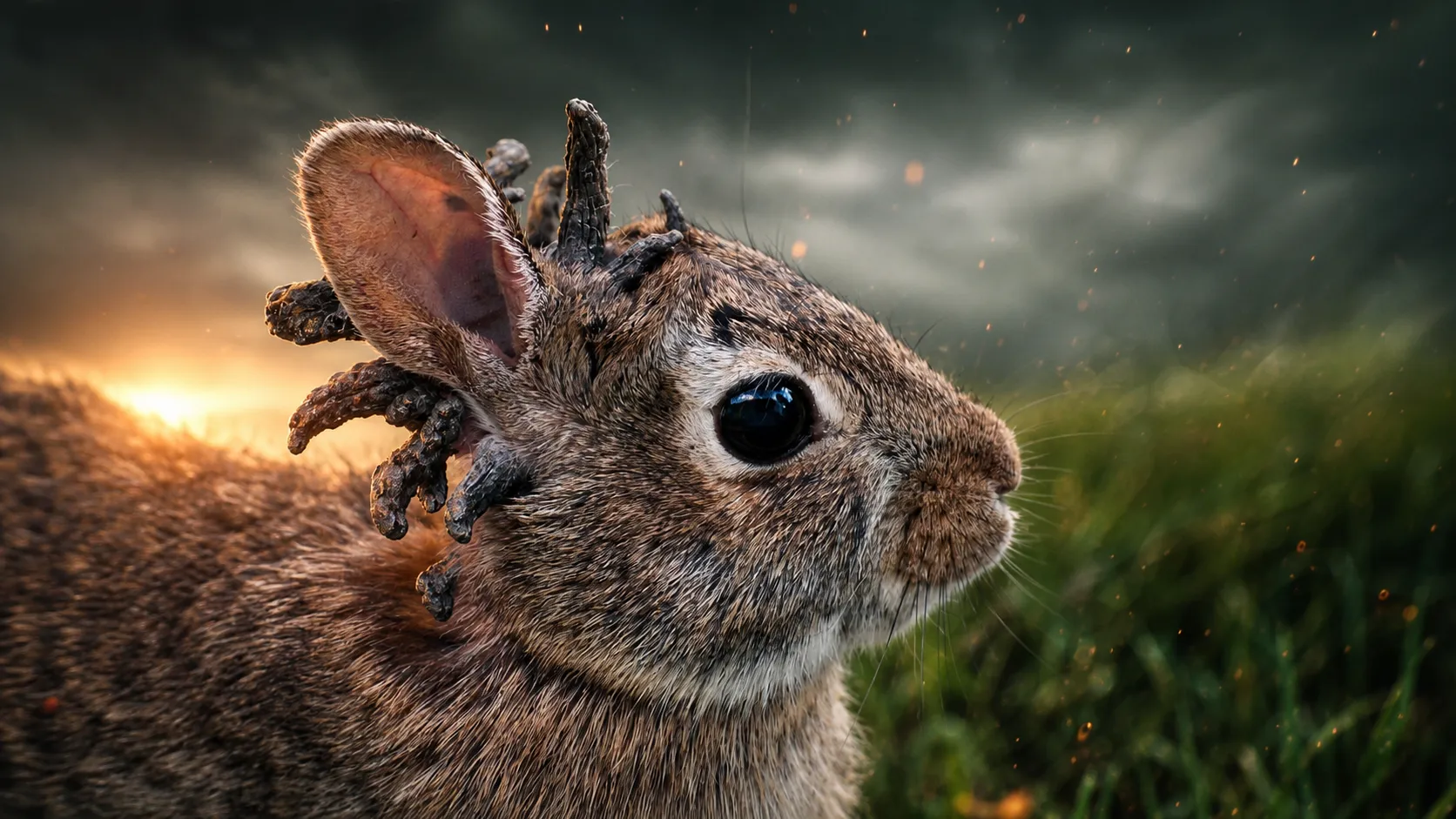
If you’ve ever thought a cute rabbit couldn’t look disturbing, these sightings may change your mind. Reports of bizarre-looking “Frankenstein” rabbits are surfacing again in several parts of the US.
People in states including Wisconsin, Minnesota, New York, and Colorado have been spotting rabbits with dark, tendril-like growths clustered around their faces and heads. The animals are usually cottontail rabbits, and wildlife officials say the condition is not new, but can look shocking when it appears in the wild.
The latest attention comes after a similar wave of sightings in Fort Collins, Colorado, where wildlife officials urged the public not to approach the affected animals. Similar reports tend to surface in warmer months, when biting insects are most active and the virus is more likely to circulate.
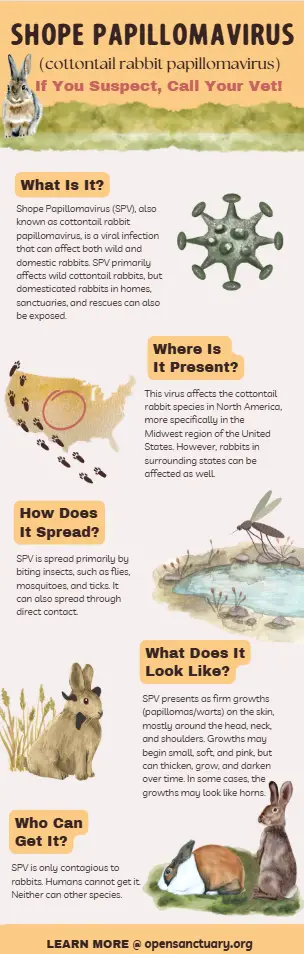
The rabbits are believed to be suffering from cottontail papilloma virus, or CRPV, also known as the Shope Papillomavirus, which affects wild rabbit populations in the United States.
The virus can cause large tumor-like growths to form around the face, head, neck, and shoulders. Although there’s no evidence that it spreads to humans or household pets, experts still advise people to avoid contact with infected animals, because wild rabbits can carry other pathogens and handling them can be risky.
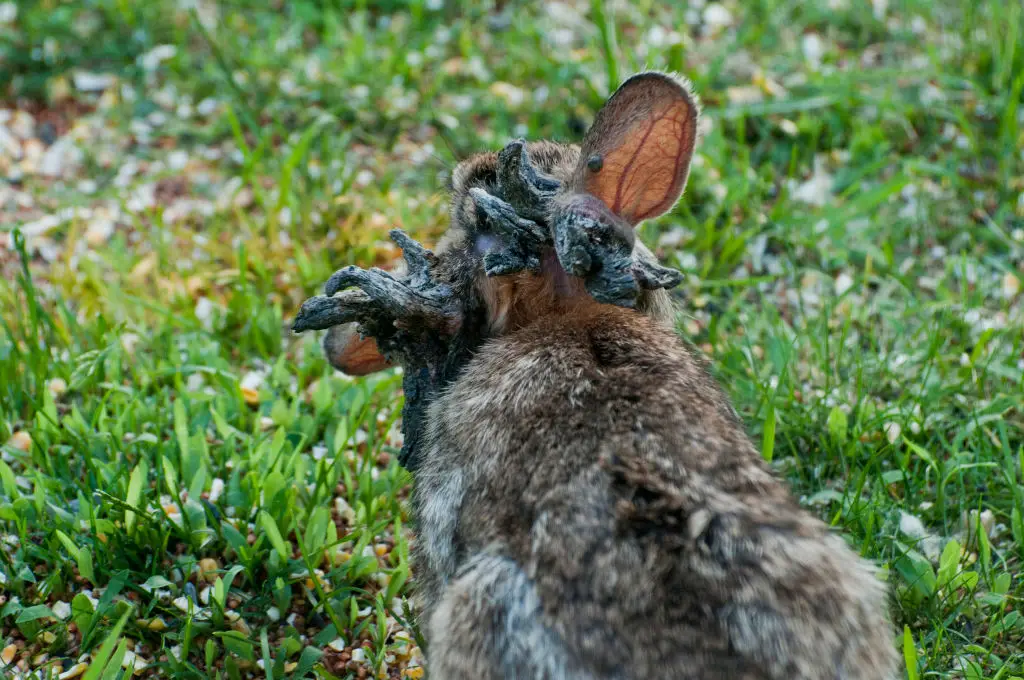
Scientists have suggested the number of these “Frankenstein” rabbits could rise in parts of the Midwest and beyond because the virus can be carried by mosquitoes and ticks and passed on through bites. With both pests abundant in many regions, conditions can be favorable for more cases.
This spring, fresh sightings have already unsettled residents, with some describing the animals as looking straight out of a “horror movie”.
One woman from New York shared her reaction on Facebook after seeing one herself: “Made eye contact with this rabbit and immediately regretted it.
“All jokes aside, I reported it to the proper wildlife authorities, but this thing was GNARLY. I’d heard rumors of these around my area but had never actually seen one in person.
“They told me it’s most likely Rabbit Papilloma Virus (Shope papillomavirus)… and honestly it looks like something that escaped from a horror movie.”
The condition has also been linked to theories about the legend of the Jackalope, the mythical horned rabbit said to roam in old folklore.
Despite the strange appearance of the disease, CRPV is a serious illness that can be fatal for rabbits.
According to Open Sanctuary, it usually appears ‘as firm, wart-like growths (papillomas) on the skin, mostly around the head, neck, and shoulders, though they can also appear elsewhere on the body.’
Its website added: “Growths may begin small, soft, and pink, but can thicken and darken over time. Sometimes only one or two papillomas develop, but in severe cases, many can form and become quite large, interfering with the rabbit’s ability to eat, drink, breathe, see, hear, or groom.”
In some cases, those growths can progress into squamous cell carcinoma, a form of skin cancer that may become deadly if it spreads.
If you’re concerned that a pet rabbit may have been exposed through ticks or infected insects, the safest step is to speak with a veterinarian. If you see a wild rabbit with these growths, wildlife experts say the best response is to leave it alone and report it to your local animal control or state wildlife agency if requested.