


With temperatures climbing across parts of Europe and the US, people taking GLP-1 medications like Ozempic and Mounjaro may be wondering whether they need to take extra precautions in extreme heat.
As heatwaves become more frequent and more intense in many places, doctors say people using GLP-1 medicines should pay close attention to hydration, side effects and how their medication is stored. That advice is especially important for anyone with type 2 diabetes, since hot weather can make blood sugar harder to manage and increase the risk of dehydration.
The question comes as a heatwave grips parts of Europe, while the UK’s Met Office has issued an extreme high temperature warning.
Soaring temperatures are also being felt in the United States, where soccer players at the World Cup have even been given additional breaks to rehydrate.
GLP-1 drugs, including Ozempic and Mounjaro, are primarily prescribed for people with type 2 diabetes to help control blood sugar levels. However, they have also become widely used for weight loss.
In hot weather, everyone is advised to drink enough water, but that message is especially important for people taking these medications. Because GLP-1 drugs can reduce appetite, they may also lower overall food and fluid intake. Some people also experience nausea, vomiting, diarrhoea or constipation, which can make dehydration more likely.
Dr Donald Grant, GP and Senior Clinical Advisor at The Independent Pharmacy, shared guidance on how people using GLP-1 medication can stay safe during a heatwave and protect the effectiveness of their treatment.
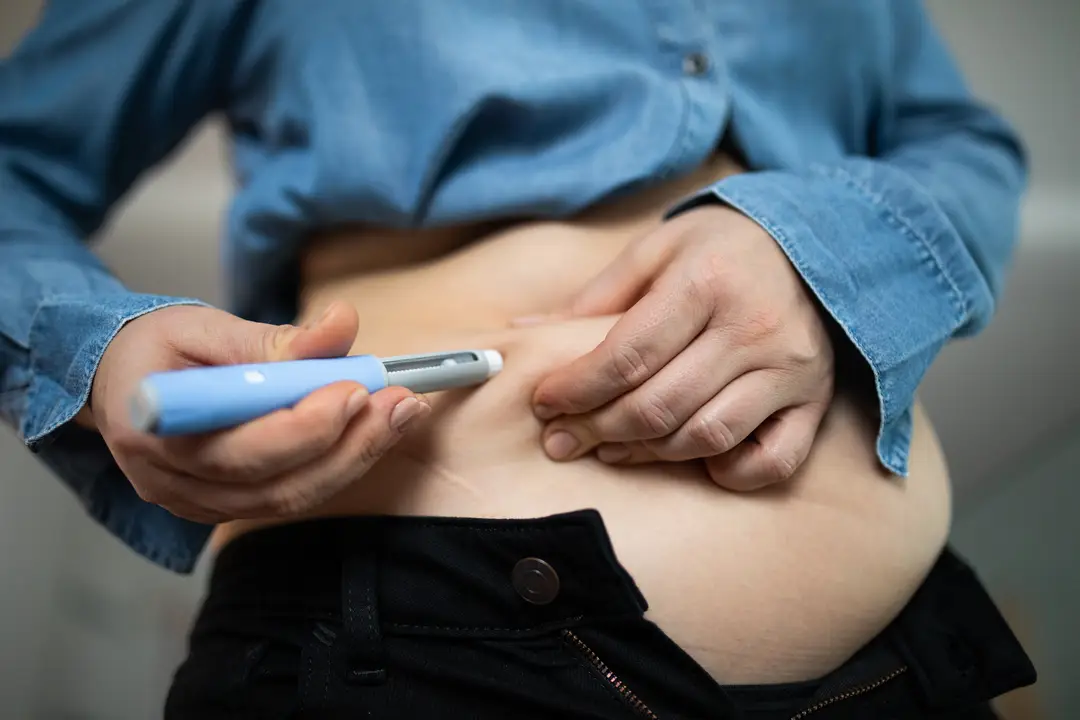
One of the biggest concerns is how the medication is stored during very warm conditions.
“They should be stored in a refrigerator (2°C to 8°C/ 35.6°F to 46.4°F), but can also be left unrefrigerated (so long as the temperature is not above 30°C/ 86°F) for up to 30 days. During this week’s hot weather, it’s sensible to keep your pen in the fridge whenever possible, particularly if your home becomes very warm. This helps ensure that it stays within the recommended storage conditions and remains effective,” he says.
Storage guidance can vary by brand and by whether the pen is unopened or already in use. In general, patients should check the leaflet that comes with their specific medicine and avoid leaving it in a hot car, in direct sunlight or anywhere temperatures may rise above the recommended limit. If there is any doubt about whether a pen has been overheated, a pharmacist should be asked for advice before it is used.
Doctors also stress the need for good hydration. GLP-1 medications can lead people to eat much less and, in some cases, drink less too. On top of that, gastrointestinal side effects such as diarrhoea, nausea and vomiting can increase the risk of dehydration.
Warning signs include “dizziness, fatigue, extreme thirst, dark yellow urine and headaches”. Other red flags can include confusion, fainting, rapid heartbeat, muscle cramps, very little urination and a dry mouth.
“If symptoms worsen or don’t improve, I recommend seeking urgent medical attention for more tailored advice,” Dr Grant advises.
“Regularly replenishing fluids with substantial amounts of water is crucial for maintaining wellbeing and reducing the risk of heat-related illnesses, such as heatstroke,” he adds.
In very hot weather, water is usually best, but people who are sweating heavily may also need fluids that replace electrolytes. Small, regular drinks may be easier to tolerate than trying to drink a large amount at once, especially if nausea is a problem. It may also help to eat lighter meals more frequently if appetite is reduced.
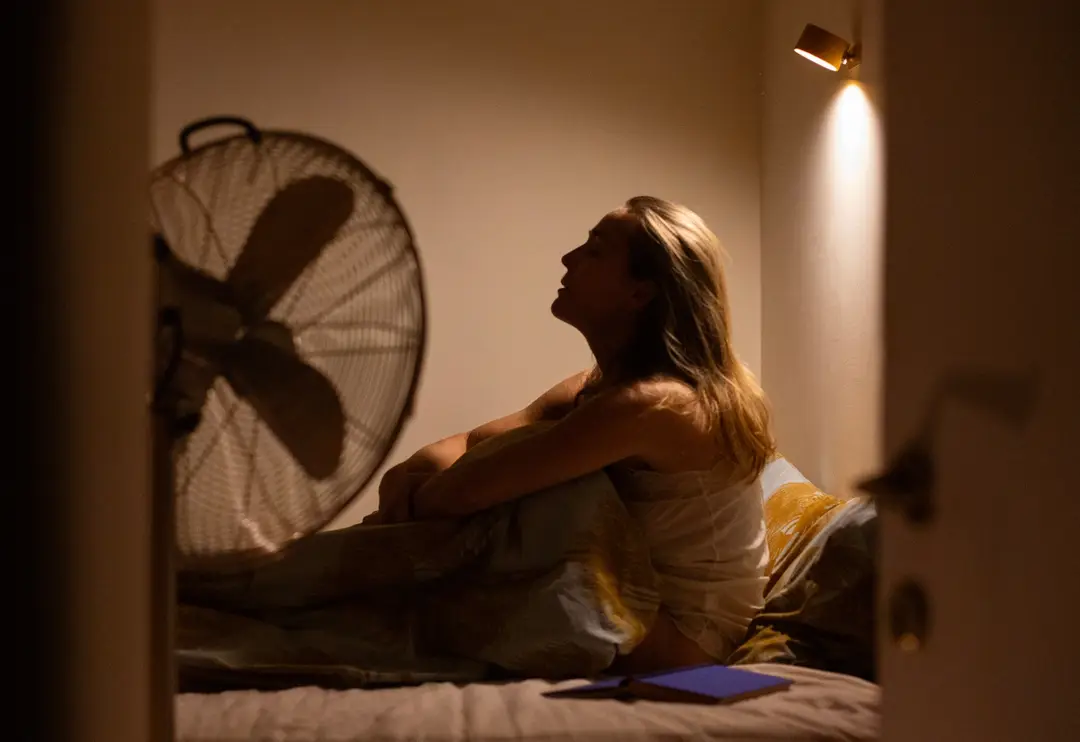
He also recommends being careful with alcohol consumption during hot weather.
That is partly because alcohol can affect blood sugar, but Dr Grant says there are other considerations too. As alcohol is a “significant source of calories,” he warns: “excessive drinking could limit progress and may also increase the intensity of side effects such as nausea, while accelerating the rate of dehydration.”
Experts also advise people with diabetes to monitor their blood glucose more carefully during heatwaves, since dehydration and changes in eating patterns can make levels less predictable. Anyone taking insulin or other diabetes medicines should be alert for symptoms of low blood sugar, especially if they are eating less than usual.
Overall, Dr Grant’s advice is for patients to stick closely to their medication guidance throughout the year, with extra care taken during the summer months.
People taking GLP-1 medicines should not stop or change their dose because of the heat without medical advice. Anyone who is vomiting repeatedly, unable to keep fluids down, feels faint, becomes confused or has signs of heatstroke should seek urgent medical help.
Anyone concerned about their symptoms or treatment should speak to their doctor.