


Europe is facing an intense spell of extreme heat this week, with meteorologists pointing to an “omega block” weather pattern as temperatures climb to exceptional levels and several countries issue red alerts warning of a serious risk to life.
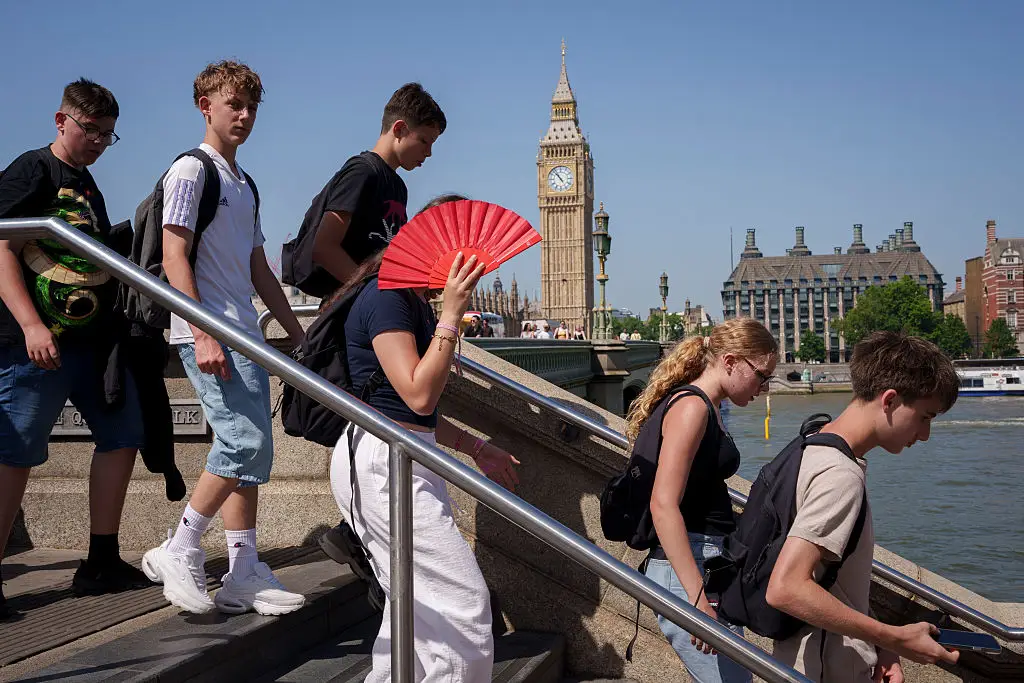
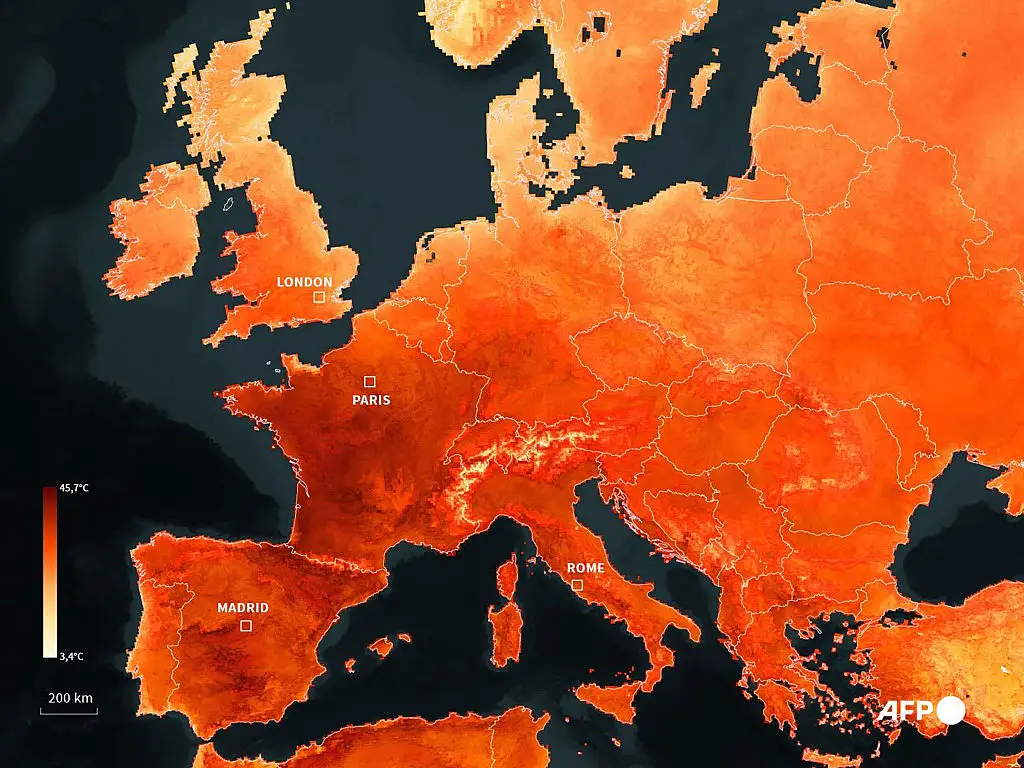
Across western and southern parts of the continent, temperatures have surged into the 30s and 40s Celsius, with some places exceeding 110°F. In France, parts of Spain and Italy, and sections of the UK and Germany, the heat has been strong enough to disrupt daily life, strain infrastructure, and trigger emergency measures.
The severe conditions have already been linked to dozens of deaths, prompted the closure or early dismissal of thousands of schools, and disrupted a wide range of public services, transport networks and power supplies.
Greta Thunberg said the situation should be seen as a warning of what lies ahead.
Speaking to the Metro, Thunberg said:
“This is what experts have been warning about for decades.
“We know that the climate crisis is here and now, and not a faraway threat in the future, and those suffering the most are the ones who have contributed the least to cause it.”
Meteorologists have connected the current conditions to an omega block, an atmospheric setup that can lock in extreme temperatures for days at a time. The pattern gets its name from its resemblance to the Greek letter Omega: a strong high-pressure ridge sits between two low-pressure systems, helping trap hot air underneath while suppressing cloud formation and rainfall.
This kind of blocking pattern is one reason heatwaves can become so prolonged and so intense. By slowing the movement of weather systems, it can keep the same hot air mass in place and prevent the kind of cooler, wetter conditions that would normally break the heat.
Météo-France has compared the event with the devastating August 2003 heatwave, which lasted more than two weeks and caused an estimated 15,000 excess deaths in France alone, with around 70,000 to 80,000 excess deaths estimated across Europe.
Officials say the current heatwave is especially dangerous because it is arriving unusually early in the summer, when many people are not yet adapted to prolonged heat. In France, the national weather service has issued unprecedented red warnings for large numbers of departments, while other countries have activated their own highest-level alerts.
Experts have also warned that this may be a glimpse of a warmer future rather than a one-off event.
Emma Pinchbeck, CEO of the Climate Change Committee, said the June 2026 heatwave reflects the kind of extremes that are expected to become far more common in the coming decades as global warming intensifies.
Speaking to The Independent, she said:
“In 2050, we’re saying that temperatures of 40C will become, if not a typical summer, certainly a frequent occurrence.
“This will not be unusual, remarkable, once-in-a-decade stuff. This will happen fairly regularly, if not every year.”
The impact of the heat has extended to transport as well. On Tuesday, June 23, several train operators in the UK announced cancellations and speed restrictions, saying the move was needed to “ensure the safe operation of the railway”. National Rail also urged passengers to check before travelling and, in some areas, to travel only if absolutely necessary.
Across Europe, the heat has also been linked to power cuts, reduced output at some nuclear and hydroelectric facilities, wildfires, and widespread discomfort in schools, hospitals and public buildings. In France, officials said thousands of schools either closed or switched to special timetables, while some cities opened cooling centres and emergency shelters.
One major difficulty in many European countries is that homes and public buildings are often not equipped with air conditioning, because the climate has historically been much milder and heat like this was once far less common.
People are generally familiar with the standard advice for staying safe in high temperatures, such as limiting time in direct sun during the hottest hours, drinking plenty of fluids, wearing loose and light clothing, taking cool showers, and avoiding intense physical activity. But some lesser-known tips may also help make the heat more manageable.
Sleeping, in particular, can become difficult during a heatwave, and many people rely on electric fans overnight. However, experts say there is a better way to use them.
Dr Anis Khalaf explained:
“The key is to not have any of the wind blowing on you,” he said. “So try facing it away from your body, and the air will still circulate around the room.”
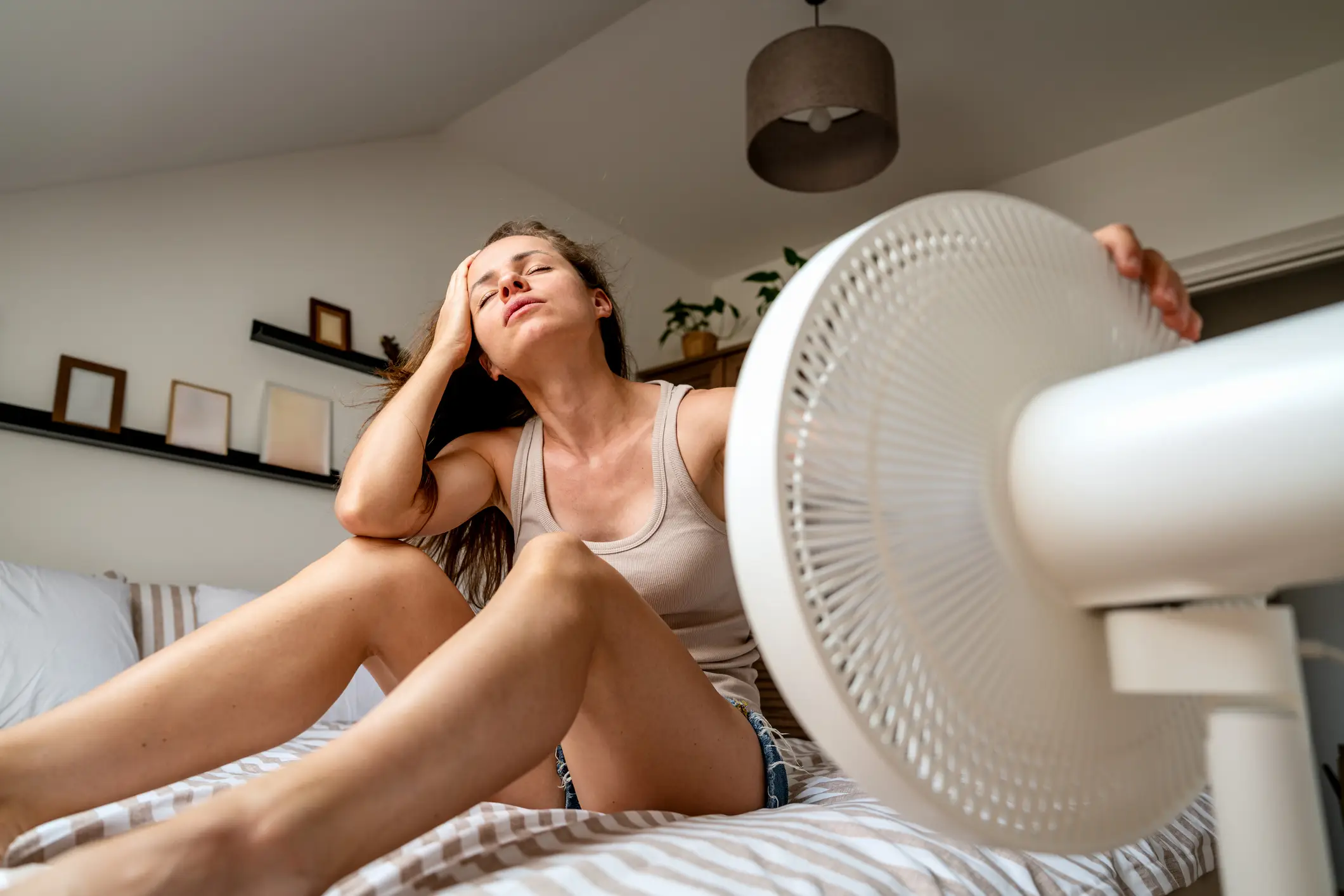
Experts have advised the correct way to sleep with a fan on. (Getty Stock Images)
They also note that fans are usually only effective when temperatures remain below 35C. Once the air is much hotter than that, fans can move hot air around without providing much real cooling, so other measures such as closing blinds during the day, using cool damp cloths, and keeping rooms ventilated when outdoor temperatures fall become more important.
Another suggestion involves hydration. Dr Natasha Fernando said milk may actually be more effective than water in some situations because of its nutritional makeup.
She said:
“Milk also contains sodium which allows your body to hold onto water for longer, aiding hydration levels.”
The so-called Egyptian sleep method has also been recommended as a way to stay cooler at night.
Psychiatrist Alex Dimitriu, MD, told VeryWellMind:
“The Egyptian sleep method involves sleeping under a damp sheet, which cools off from evaporation.”
If trying that approach, the sheet should be damp rather than soaking wet, and the room should still have proper ventilation. It is also important to avoid creating excess humidity in very hot rooms, especially for people with breathing problems.
Experts also warn against opening windows while the air outside is still hotter than indoors. Although it may seem like the obvious thing to do, it can let even more heat into the house.
Because many UK homes are built to retain warmth, opening windows too early can make indoor conditions even worse.
A better option is to wait until later in the evening, once outdoor temperatures have fallen, and then open windows to encourage cooler airflow. Keeping blinds and curtains closed during the day can also help keep indoor spaces from overheating. In cities where nights stay very warm, local authorities are increasingly advising people to check on neighbours, especially older adults, infants and anyone with chronic health conditions, because heat stress can build up quickly even after sunset.
Health agencies say the biggest risks during a heatwave include dehydration, heat exhaustion and heatstroke, and that the danger rises when temperatures stay high overnight. That is why public-health officials are urging people to treat this spell as more than just uncomfortable weather: prolonged heat can become a medical emergency, particularly for older people, young children, pregnant people and those taking certain medications.