

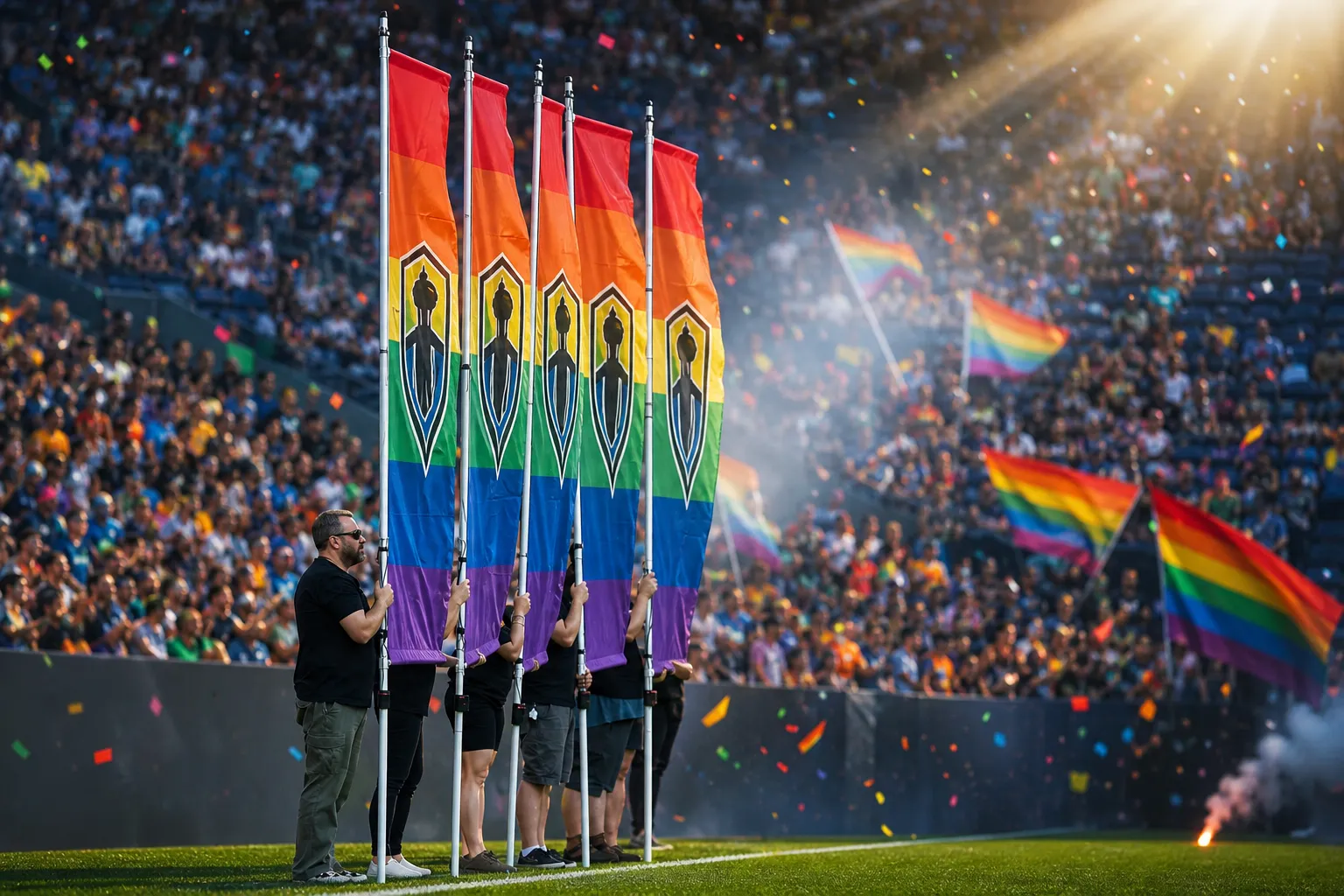
A diplomatic clash between FIFA and two Muslim-majority nations is unfolding ahead of Friday’s World Cup match in Seattle between Iran and Egypt, as the host city celebrates Pride Month with what it has designated a “Pride Match” while both countries object to LGBTQ+ recognition they say violates their cultural and religious values.
The tension stems from an unusual scheduling quirk. Seattle’s local World Cup organizing committee designated the June 26 fixture as a “Pride Match” months before the tournament draw in December determined which teams would play on that date. When the draw placed Iran and Egypt in Group G for a match on Pride Weekend, the pairing created an immediate and unprecedented conflict at the World Cup between a city’s fundamental identity and two nations where homosexuality is criminalized.
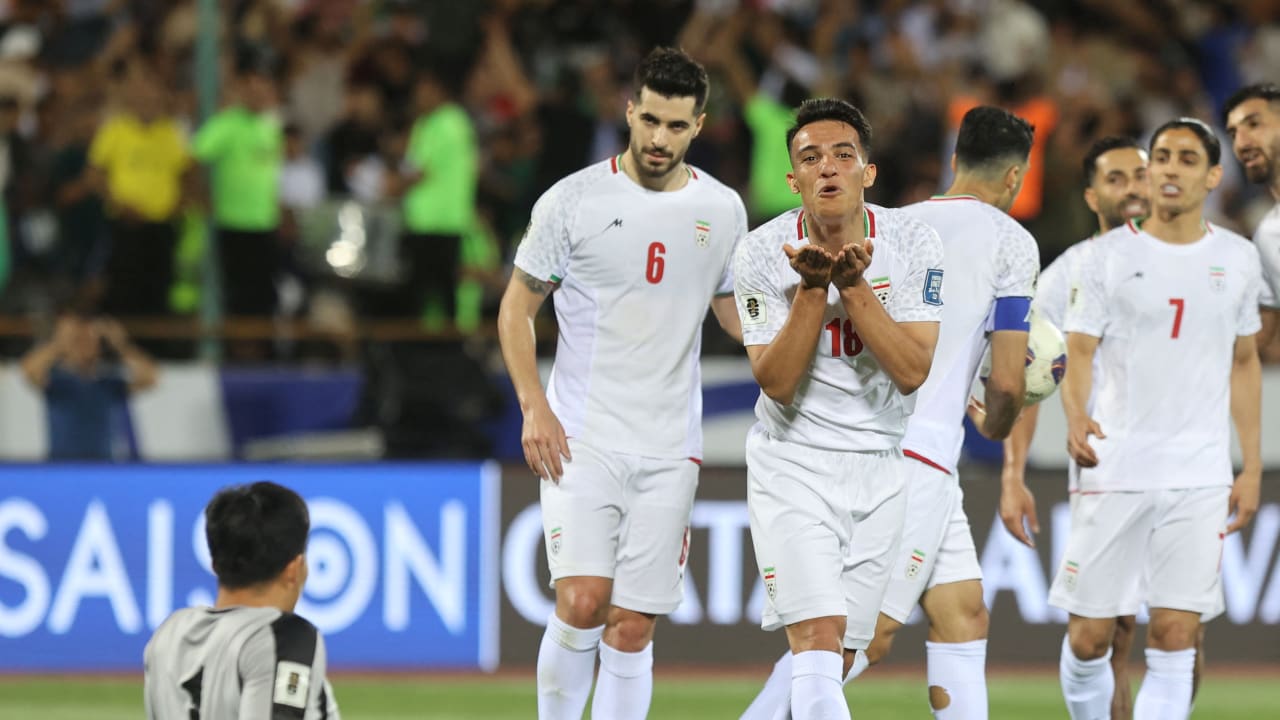
Both football federations have formally protested to FIFA, demanding that the international governing body prevent any LGBTQ+ ceremonies, symbols or promotional activities surrounding the match. Iran’s Football Federation wrote to FIFA requesting a complete prohibition on Pride-related events both inside and outside Lumen Field, the Seattle stadium where the game will be played. The federation stated that such celebrations clashed with the shared religious and cultural values of the two Muslim-majority countries. Egypt’s Football Association similarly sent a letter to FIFA rejecting what it called any activities related to supporting homosexuality during the match.
In Iran, homosexuality is illegal and can carry the death penalty. Egypt does not explicitly criminalize same-sex relationships but has prosecuted people under indecency laws, with human rights groups documenting arrests and crackdowns targeting the LGBTQ+ community.
FIFA has firmly rejected both nations’ requests. On Thursday, the governing body released a statement reaffirming that the tournament is “an inclusive event that welcomes people from all backgrounds” and that “fans of all sexual orientations and gender identities are welcome at matches and events.” The organization confirmed that rainbow flags and other symbols representing sexual orientation and gender identity are permitted under the FIFA World Cup 2026 Stadium Code of Conduct, provided they are displayed “in a manner consistent with the code.”
However, FIFA President Gianni Infantino has sought to distance the governing body from the Pride Match branding itself. In an interview with Swiss magazine Die Weltwoche in January, Infantino stated firmly: “I must clarify that there will be no ‘Pride Match’ at the FIFA World Cup. There will be a FIFA World Cup match in Seattle, and on the same day, events organized by external organizations will be taking place in the city. But that has nothing to do with the match itself.”
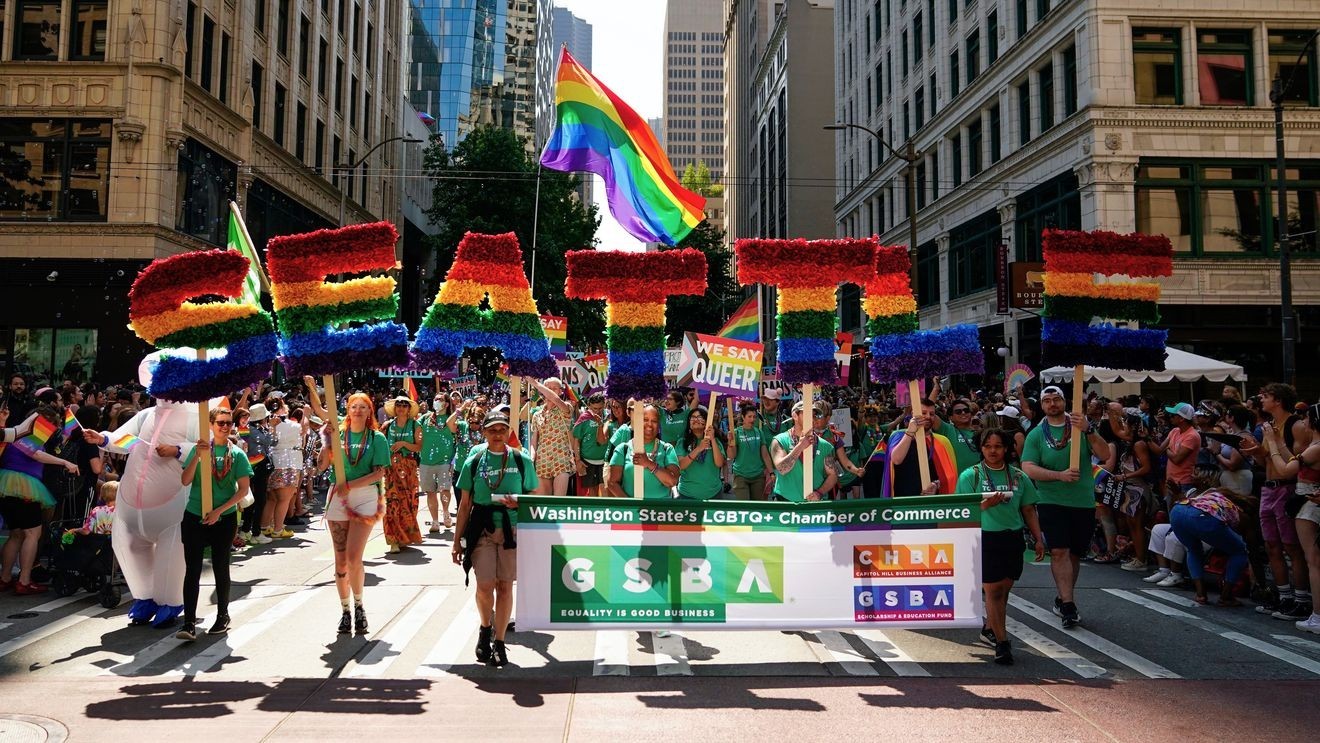
The distinction is significant because FIFA’s authority is limited to what happens inside stadiums and official fan zones. The Pride celebrations taking place in Seattle are organized by the city’s local World Cup committee and community organizations, not by FIFA itself. The city has planned an extensive slate of Pride events around the match, including watch parties, festivals, performances and marches through downtown Seattle that will feature hundreds of thousands of participants.
Seattle has hosted Pride celebrations every June for more than 50 years. The event has grown from its inaugural celebration in 1974 with just 200 participants and a budget of $588.51 to one of the largest Pride observances in the United States. Local leaders have made clear that this year’s Pride events will proceed regardless of the World Cup objections. “The Pride celebration has happened on this weekend for 50-plus years. It is going to happen this weekend,” Hedda McLendon, from Seattle’s local World Cup organizing committee, said.
City officials have also prepared for the possibility of demonstrations. Seattle Mayor Katie Wilson said the city is expecting protest activity and has established designated protest zones surrounding the stadium and coordinated with law enforcement. Wilson stated that the city is “very much expecting and prepared for protest activity.”
Some local leaders have framed the event as an opportunity to advocate for LGBTQ+ rights in countries where such freedoms do not exist. Washington State Senator Jamie Pedersen noted that while organizing a Pride celebration in Iran or Egypt would be dangerous, Seattle’s history as a welcoming community makes it appropriate to proceed. “If you tried to import a pride celebration into Egypt or Iran, obviously that could be a disaster. But in a community like Seattle that prides itself on welcoming people from all over, I just can’t imagine that it’s going to be a significant problem,” Pedersen said.
The match itself carries enormous significance for both teams. The June 26 game will be a decisive Group G encounter at 11 p.m. ET, with the winner advancing to the knockout rounds of the tournament. Egypt is currently leading the group after beating New Zealand 3-1 in their previous match, while Iran has drawn both its games so far.
The controversy reflects a broader tension the World Cup has faced in previous tournaments regarding LGBTQ+ rights. At the 2022 World Cup in Qatar, FIFA threatened yellow cards for captains who wore the “OneLove” armband in protest of the host nation’s laws against same-sex relationships, forcing several European teams to abandon the plan. The Iran-Egypt match in Seattle represents a more complicated situation where the host city and governing body are on opposite sides of the divide from the competing nations themselves.