


Nicholas Rossi, the convicted rapist whose extraordinary effort to fake his death and hide in Scotland drew international attention, has died in a prison hospital, according to officials.
The Utah Department of Corrections said the 38-year-old inmate, legally named Nicholas Alahverdian, died on Thursday, June 25, 2026, at a nearby medical facility after being moved from state custody for treatment. Rossi had been serving an indeterminate sentence of ten years to life after being convicted in two separate Utah trials over the 2008 rapes of two women.
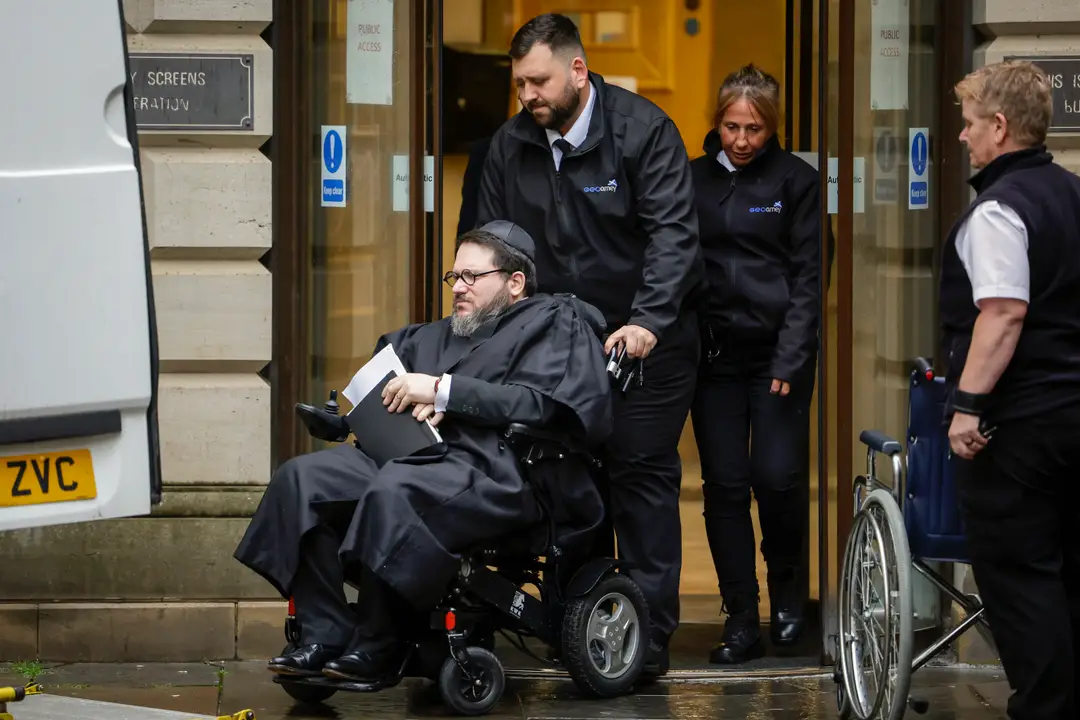
Authorities said his death followed a decision to stop treatment for longstanding health problems. The department did not publicly disclose the underlying condition, but Rossi had appeared in court in a wheelchair and used oxygen during proceedings.
“Rossi died from complications of an existing medical condition after choosing to discontinue medical treatment,” the department stated in an official release.
How the case unfolded
Rossi’s attempt to avoid prosecution began in 2020, after investigators in Utah used DNA testing to connect him to an old rape kit.
Not long after, an obituary appeared online in February of that year claiming he had died from late-stage non-Hodgkin lymphoma.
It also stated that his remains had been cremated and that his ashes were scattered at sea.
Instead, he had secretly left the United States and gone to the UK. He lived for a period in Bristol, England, before later moving to Scotland.
The Arthur Knight persona
The scheme unraveled in December 2021 when Rossi became seriously ill with COVID-19 and was taken to Queen Elizabeth University Hospital in Glasgow. Staff there recognized similarities between the patient and a person named in an active Interpol red notice, including distinctive tattoos on his arms.
That discovery sparked a lengthy and unusual extradition fight in the Scottish courts, where Rossi spent more than a year trying to avoid being sent back to the US.
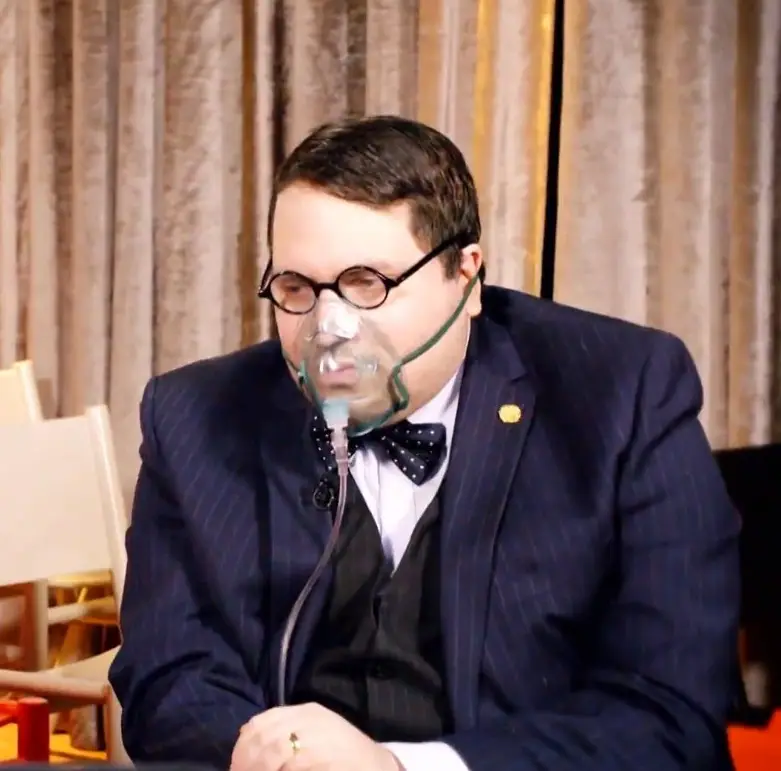
During hearings, he often appeared in a wheelchair, wore an oxygen mask, and spoke with what prosecutors said was a fabricated English accent.
He denied being Nicholas Rossi and claimed he was actually Arthur Knight, an Irish-born orphan who had never been to America.
He also cycled through lawyers, accused Scottish prison staff of mistreating him, and said the tattoos identifying him had been applied while he was unconscious in hospital.
A Scottish judge ultimately rejected those claims, ruling that he was “unquestionably” Nicholas Rossi and allowing extradition proceedings to move forward.
From extradition to conviction
Rossi was extradited to Utah in 2024 and later stood trial in two separate rape cases. Juries found him guilty in both, and a judge described him as a “serial abuser of women” before imposing the prison term he was serving at the time of his death.
Investigators said they identified him through DNA evidence tied to a decade-old rape kit and later uncovered a long trail of aliases he had used while evading capture.
After news emerged that he had died while in custody, Salt Lake County District Attorney Sim Gill issued a blunt response reflecting on the case and its victims.
“Mr. Rossi was a sexual predator who tried to escape accountability,” Gill stated flatly. “The survivors of his heinous acts have the consolation that he died in prison with the knowledge of the crimes he committed.”
The Utah Department of Corrections said Rossi’s victims and family had been notified of his death.