

James Martin has recalled the shock of learning that his son Oscar, then just three years old, had acute lymphoblastic leukaemia after doctors warned he had ‘weeks, if not days’ to live without urgent treatment.
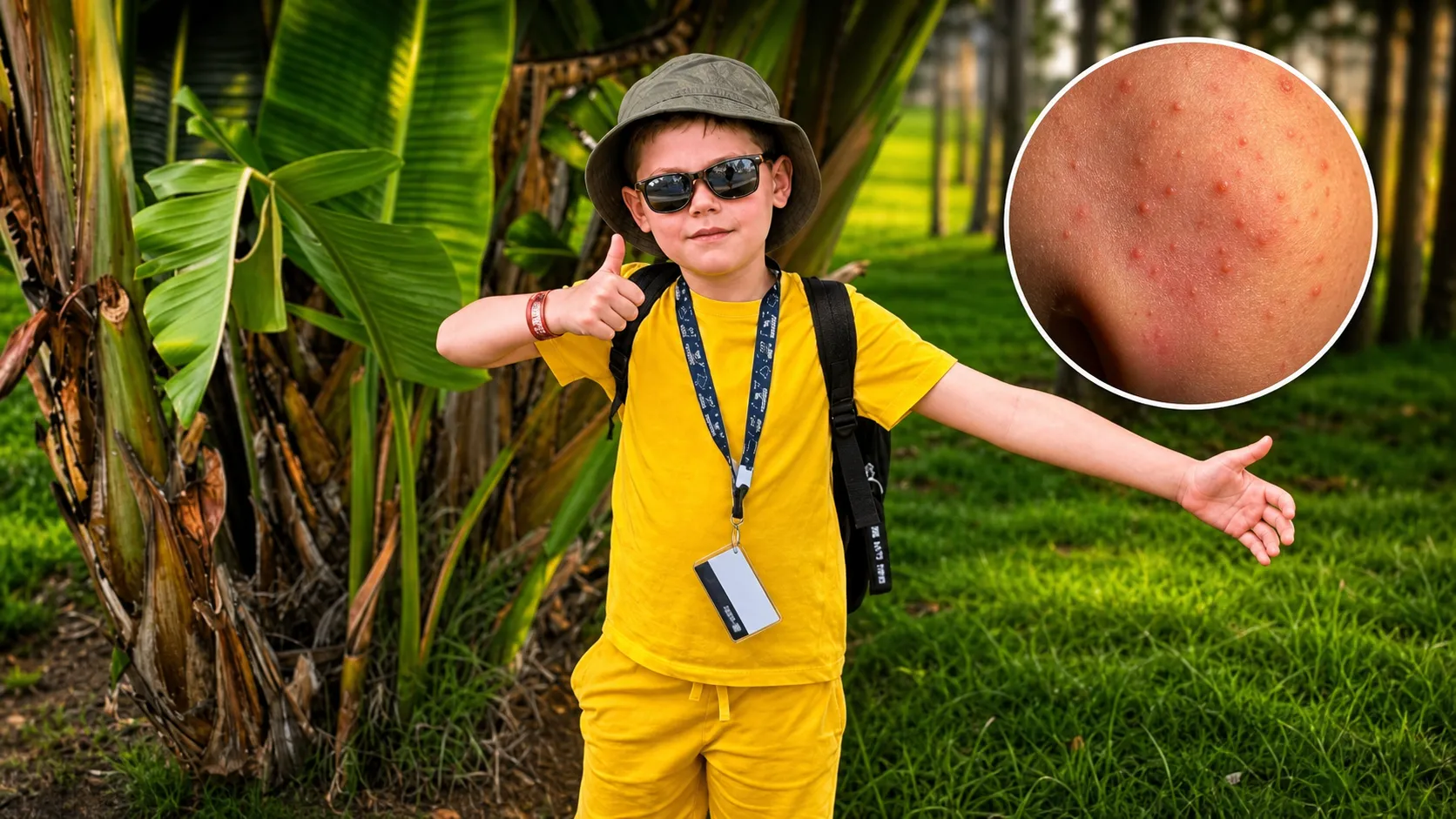
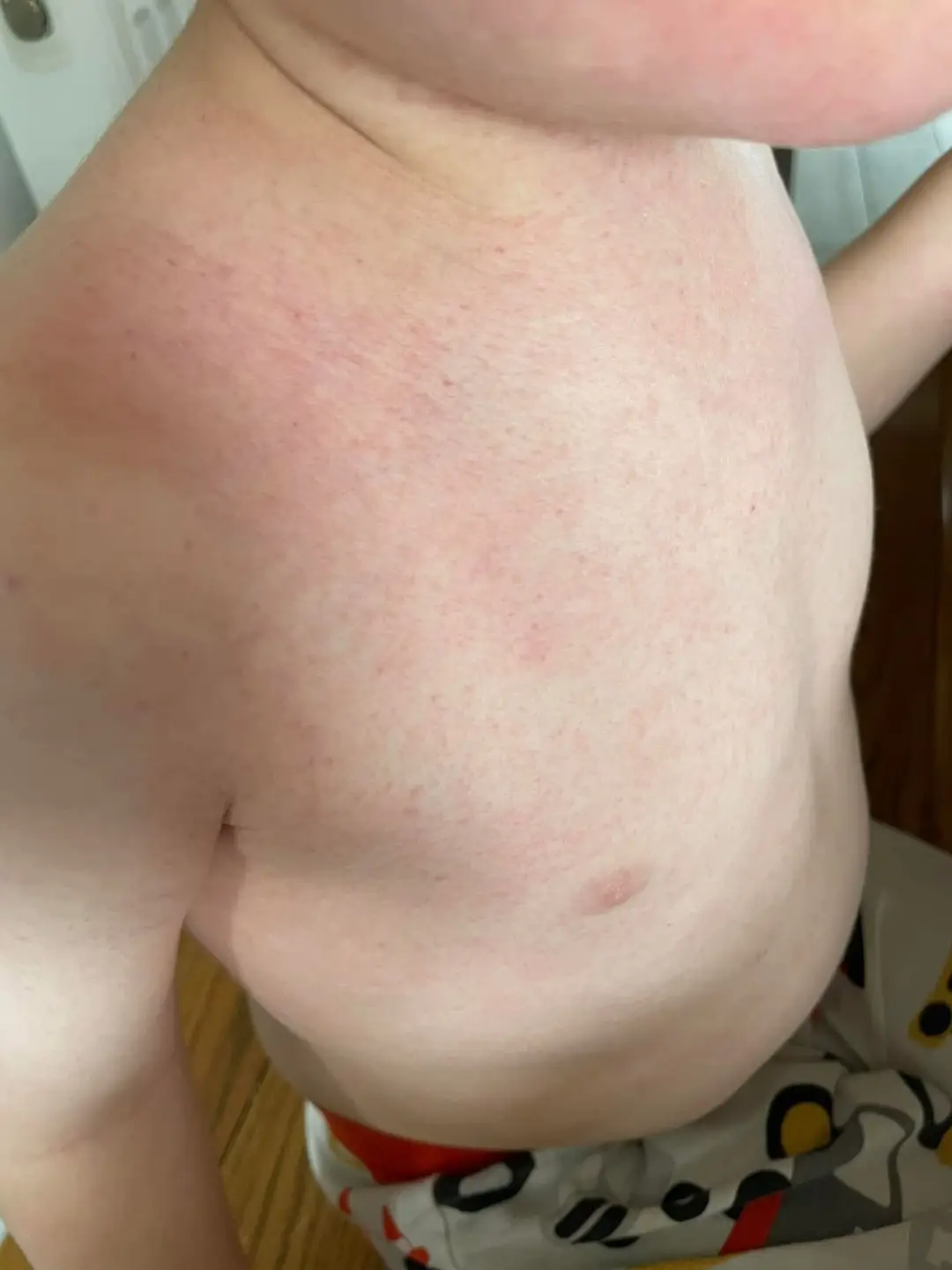
Oscar, now seven, first became unwell in May 2022 when a rash appeared. His mother, Philippa Martin, said it looked “red and blotchy”.
After Oscar developed a high temperature, Philippa took him to see a GP. She was told his ear was “inflamed” and that he appeared to have an infection, so he was prescribed antibiotics and allowed home.
By the following day, however, Philippa noticed what she described as a “pinprick purple rash” on his eyelids that did not disappear under pressure, along with another rash on his chest.
She returned to the GP, who referred Oscar to a paediatrician at Chesterfield Hospital in the UK, while also reassuring her not to be “overly worried”.
Although childhood acute lymphoblastic leukaemia is uncommon, it is the most common childhood cancer in the UK, with around 400 children diagnosed each year. Symptoms can be vague at first and may look like common viral illnesses, but a non-blanching rash, petechiae, bruising, tiredness, fever, or recurrent infections can be warning signs that need urgent medical attention.
Once in hospital, Oscar underwent blood tests, and doctors soon told his parents they suspected leukaemia. Philippa later said the moment felt as though her “world had ended”.
The diagnosis was confirmed within hours on June 1, 2022, at Sheffield Children’s Hospital.
James said his son then faced two years of “intense” treatment, which continued until July 2024 and ultimately led to remission.
Reflecting on the moment he learned the news, James told PA Real Life:
“I remember going outside not long after ringing my work to tell them the news. And I could feel my heartbeat in my head.”
“I felt like I was almost separated from my body… and I was just in another world. It was so surreal,” he added.
According to his father, Oscar was the youngest of four children and a lively boy who “loved life” and enjoyed “getting his hands dirty” while helping in the family allotment.
Looking back on the early part of 2022, James said Oscar had repeatedly been ill, with doctors initially thinking he had viral illnesses and ear infections.
James said: “There were just lots of little things that weren’t adding up at the time.”
The turning point came in May, when Oscar’s rash and fever prompted another trip to the GP. Although antibiotics were prescribed and he seemed to improve briefly, that changed when the marks on his eyelids and chest appeared.
Philippa took him back again, and he was referred for further assessment at Chesterfield Hospital.
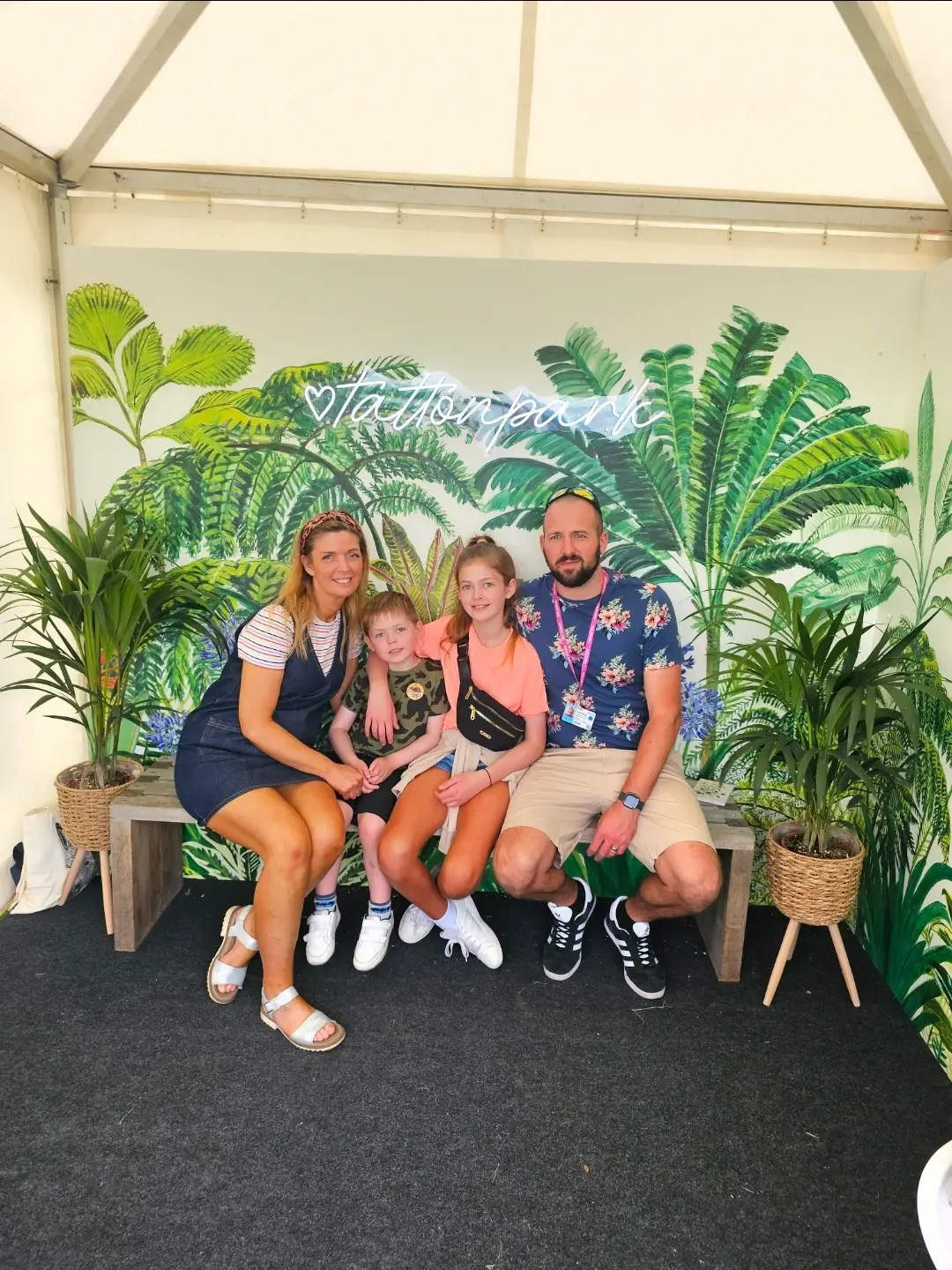
Philippa phoned James, who joined her and Oscar at the hospital. There, staff inserted a cannula and took blood samples.
The next morning, four doctors asked Oscar’s parents to come into a separate room while a play worker stayed with him.
Philippa said: “As we entered the room, I noticed a box of tissues on the table, and my heart sank. The doctor informed us that our son had suspected leukaemia; it felt like my world had ended.
“From that moment, everything became serious.”
Oscar was then transferred by blue lights to Sheffield Children’s Hospital, where the diagnosis of acute lymphoblastic leukaemia was officially confirmed later that same day.
James said that within a week, Oscar underwent his first procedure to have a port fitted so “high dose chemo” could be delivered, describing it as the hardest day he experienced.
He said Oscar went into surgery as a little boy who had looked healthy and came back profoundly changed.
“He was a different colour,” James said. “It was like his soul was stripped out of his body. He didn’t want to talk to me and Philippa. He couldn’t really do anything.
“He just wasn’t our little boy and he was in a lot of pain… I was watching a child struggling and I just wanted to swap positions with him because it was honestly so hard and so horrible.”
During the next two years, Oscar received what James described as “hundreds and hundreds” of chemotherapy doses. One of the earlier drugs used in his treatment also triggered an allergic reaction.
Philippa said the treatment period was also complicated by “several serious infections”, with some hospital admissions lasting “several days or weeks”.
She said: “Seeing my child needing oxygen support, wired to drips, unable to stay awake and shaking with high temperatures was very difficult as a parent.”
Oscar reached the end of treatment on July 7, 2024, and rang the bell later that month to mark the milestone. Even so, James said his son still deals with regular “night terrors” and “anxiety attacks”.
In a later update, Philippa said Oscar was on six-monthly check-ups, with blood tests and time to speak to doctors, while the family continued to adjust to life after treatment.
James added that spending time “gardening together” has been a major source of support for both of them, helping physically and mentally.
He now shares Oscar’s experience on Instagram in the hope of supporting other families facing a cancer diagnosis.
James said: “Sometimes it’s good to speak to somebody who’s actually done it. So when somebody is really struggling and going through hell, we’ve been there.”
“I’ve had so many messages in the last few years,” he went on, “so it’s nice to be able to pass on that advice.”
For James, speaking openly about what happened is a way of turning a “negative into a positive” and showing others that life can continue after cancer.
If you’ve been affected by any of these issues and want to speak to someone in confidence, contact the American Cancer Society on 1-800-227-2345 or via their live chat feature, available 24/7 every day of the year.