

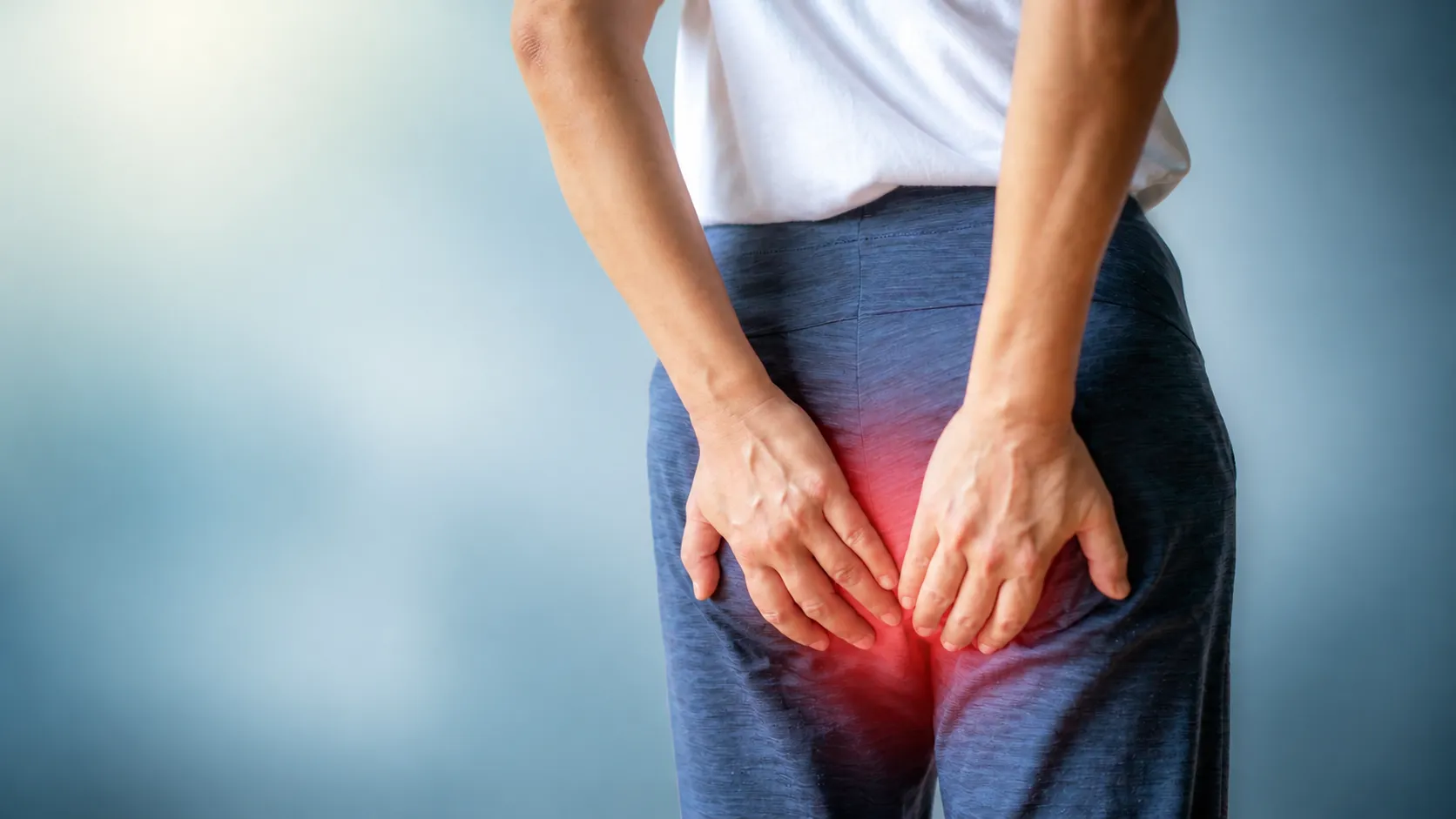
A doctor has shared an easy habit that may help lower your chances of developing a very common and uncomfortable condition.
Haemorrhoids, also known as piles, affect the area around the back passage and can lead to itching, swelling, discomfort and bleeding.
They are often linked to straining during bowel movements and constipation, but they can also be associated with heavy manual labour, pregnancy, persistent coughing and spending long periods sitting on the toilet.
For many people, modern routines may also play a role. Spending long periods seated, especially in office-based jobs, can increase the pressure that contributes to the problem, and newer research has also suggested that using a smartphone on the toilet may keep people sitting there longer than intended.
Dr Mohammad Bakhtiar, Clinical Lead at Medical Express Clinic, spoke about why haemorrhoids are so widespread and what people can do to reduce the risk.
“They’re common because the modern way of living is almost designed to cause them: low fibre diets, too much sitting and straining on the loo,”
He said, adding:
“About half of people will have had them by the age of 50.”
He explained that although haemorrhoids are generally not difficult to treat, many people delay getting help because they feel too embarrassed to discuss the issue.
When it comes to prevention, his main advice is to increase fibre intake.
“Fibre softens and bulks the stool so it passes without effort, and that removes the straining that causes piles in the first place.
“The evidence here is genuinely good: raising fibre intake cuts the risk of persistent symptoms and of bleeding by roughly half.”
He also stressed that drinking enough water matters too. A fibre-rich diet without proper hydration can make constipation worse rather than better.
Haemorrhoids develop when the blood vessels around the rectum or anus become swollen and enlarged.
Experts also recommend avoiding long toilet sessions, since sitting there for too long can add pressure to the area. Leaving your phone outside the bathroom may be a sensible move if it helps you avoid lingering there.
Other simple prevention steps include keeping stools soft with fibre-rich foods such as fruit, vegetables, beans, lentils and whole grains, staying active and responding to the urge to go rather than delaying.
While most cases cause pain or irritation rather than anything severe, untreated haemorrhoids can sometimes lead to complications such as a blood clot in an external haemorrhoid or, more rarely, a strangulated haemorrhoid.
Because the symptoms can overlap with those of colorectal cancer and other bowel conditions, it is important to speak to a doctor if you notice bleeding, pain or other ongoing symptoms. In particular, persistent rectal bleeding should not be assumed to be haemorrhoids, especially in adults aged 45 and over, who are now generally advised to be screened for colorectal cancer.