

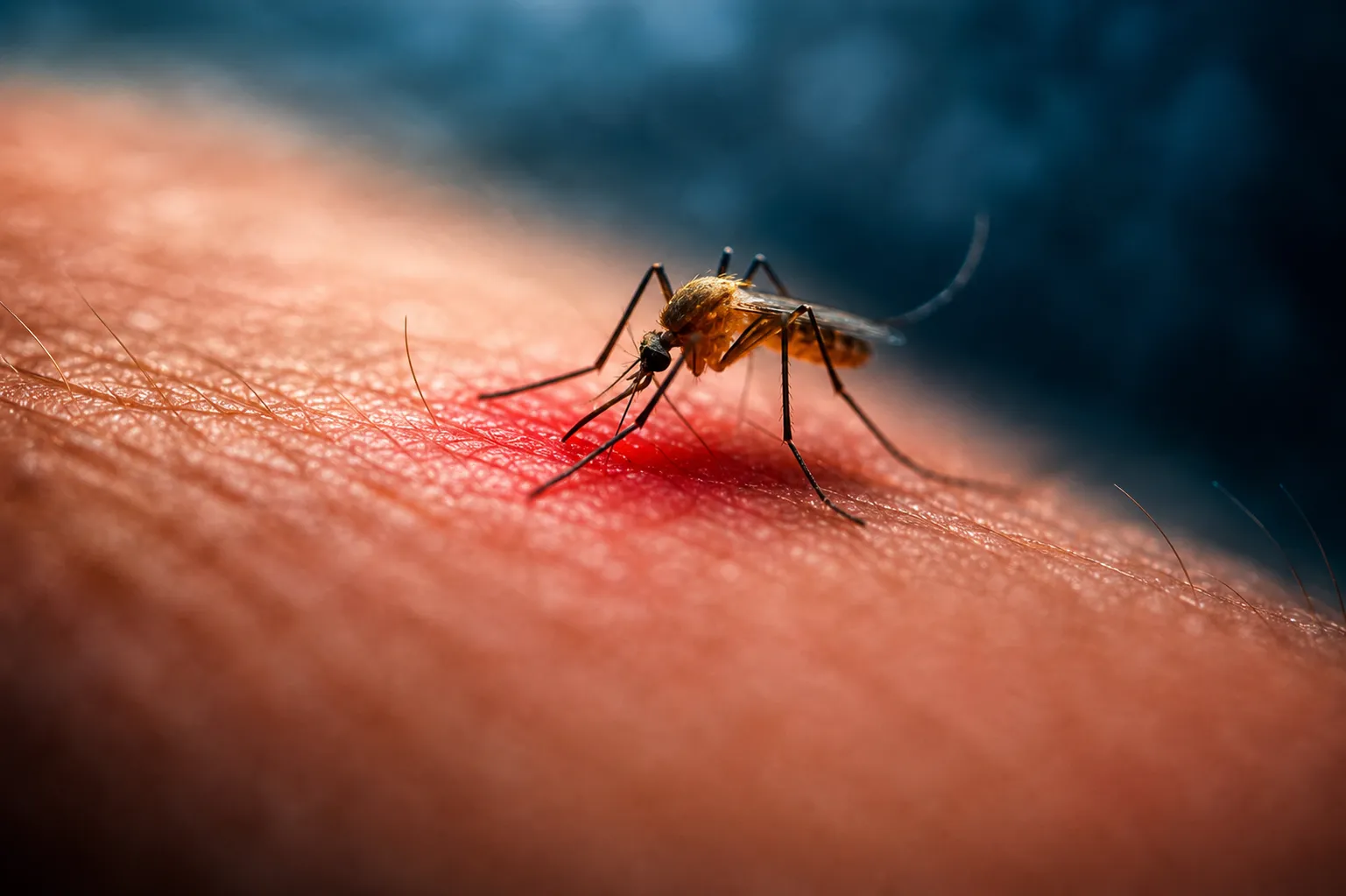
It may feel satisfying to scratch that mosquito bite or itch rash, but research now reveals exactly why giving in to the urge makes everything worse. Scientists have uncovered a cellular mechanism that explains why a mildly annoying itch can spiral into days of persistent discomfort if you start scratching.
Researchers at the University of Pittsburgh have been studying mast cells, immune system responders that release compounds to fight off germs and toxins. When activated, these cells release histamine, the chemical responsible for triggering allergic reactions and itching. What scientists long knew was that allergens could activate mast cells. But recent findings have revealed that something else also summons them: pain.
When you scratch an itch, you naturally scratch until it starts to hurt. That pain triggers the release of a chemical messenger called substance P from pain-sensing nerve cells. In a significant discovery published last year, the research team found that substance P can activate mast cells through a completely different molecular pathway than allergens do. This creates a double activation of mast cells, explaining why scratching causes additional inflammation.
The team demonstrated this mechanism by conducting experiments on mice. They applied a rash-inducing irritant to the animals’ ears and observed what happened. Normal mice that could scratch showed increased swelling and more inflammatory immune cells at the site. But normal mice wearing specially designed protective collars similar to veterinary cone-shaped collars, preventing them from scratching while still experiencing the itch, developed significantly less swelling and had fewer inflammatory cells. This confirmed that the act of scratching itself, rather than simply experiencing an itch, drives the inflammatory response.
The practical implications are striking. Ignoring a mosquito bite allows the itch to disappear within five to ten minutes for most people. But once you start scratching, the bite becomes what one expert described as “your friend for a week,” growing itchier and more inflamed with each scratch. The cycle becomes self-perpetuating, with each scratch triggering more mast cell activation and more histamine release.
Beyond inflammation, scratching creates additional problems. Breaking the skin barrier through vigorous scratching puts you at risk for infections, which can introduce bacteria and lead to complications far more serious than the original itch. Scratching can also cause lasting damage including scars and discoloration of the skin.
The evolutionary aspect of scratching is curious. Not just humans and mammals scratch—even fish do. This suggests some ancient survival benefit. One theory proposes that scratching helps creatures shed parasites like fleas or mites. Research also hints that scratching may provide some germ-fighting benefit, as mice that scratched had lower levels of certain bacteria on their skin. However, experts emphasize this potential advantage does not justify scratching in most situations, as the inflammatory damage outweighs any benefits.

For those struggling to resist the urge, several strategies can help break the itch-scratch cycle. Applying ice packs or cold compresses reduces inflammation and temporarily numbs the sensation. Menthol-containing creams can temporarily trick the skin into sensing cold instead of itch, giving you just enough time to resist scratching and break the cycle before inflammation escalates.
Over-the-counter treatments provide relief through different mechanisms. Antihistamines counteract the histamine response by blocking these chemical messengers. Hydrocortisone creams address both itching and swelling directly. Oatmeal baths and calamine lotion offer soothing relief. Some research is exploring drugs called MRGPRX2 blockers, which target the specific pathway that substance P uses to activate mast cells, offering hope for better treatments in the future.

The research has broader implications beyond bug bites. Understanding how scratching exacerbates skin inflammation could lead to better treatments for chronic skin conditions like eczema and contact dermatitis. These conditions create an intense itch that makes resisting the urge to scratch extremely difficult, creating a damaging cycle of worsening symptoms.
The key takeaway from the science is straightforward: when an itch strikes, do not scratch. Instead, treat the bite or rash with over-the-counter remedies, apply cold, and keep nails short to minimize damage if you inadvertently scratch. Covering stubborn bites with bandages can help prevent the scratching reflex, especially at night when conscious control is weakest. The temporary relief of scratching comes at a significant cost in inflammation and discomfort that can persist for days.