

Medical professionals are warning people about the viral TikTok craze dubbed the ‘pink gelatin trick’, after some users suggested it can work like GLP-1 weight-loss drugs.
With interest in weight-loss methods continuing to rise, many people are exploring everything from prescription treatments to social media trends that claim to offer comparable results.
GLP-1 medications such as Ozempic, Wegovy and Zepbound have become widely used for weight loss and obesity treatment, with federal health data and consumer surveys showing strong demand and growing public interest. At the same time, obesity remains highly prevalent in the US, affecting more than 2 in 5 adults, which has helped fuel the search for easier or cheaper options.
These medicines were originally developed for type 2 diabetes, but some now carry weight-management indications, and Wegovy is also approved to lower the risk of major cardiovascular events in certain adults with obesity or overweight.
But because these medications can be expensive, hard to access or unavailable in some situations, some people have been searching for lower-cost alternatives that are said to deliver similar benefits.
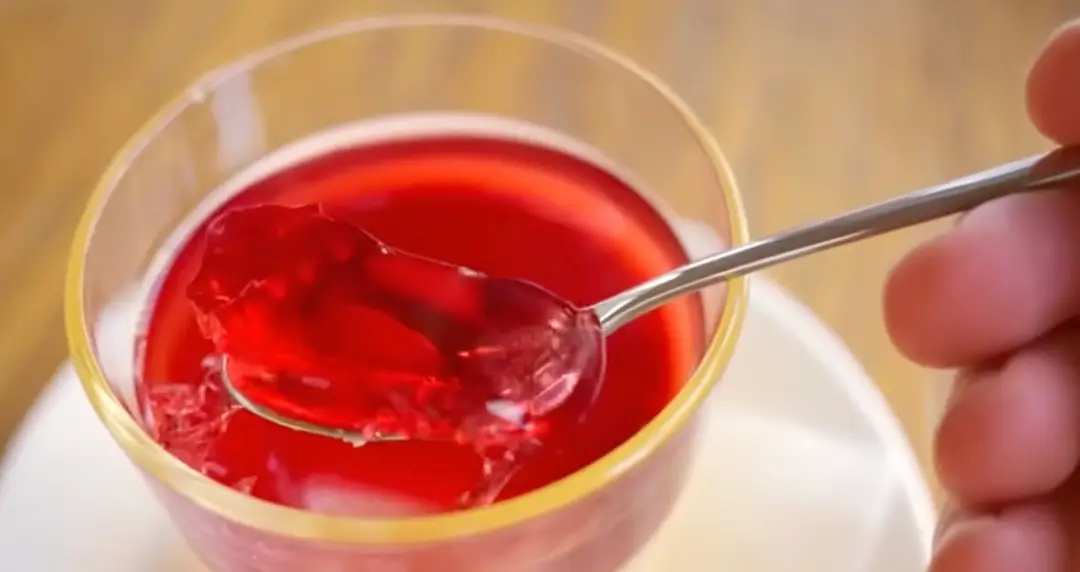
One of the most widely shared examples is the so-called ‘pink gelatin trick’, which has spread across TikTok as a budget-friendly substitute for GLP-1 drugs, though specialists are now questioning whether it has any real basis.
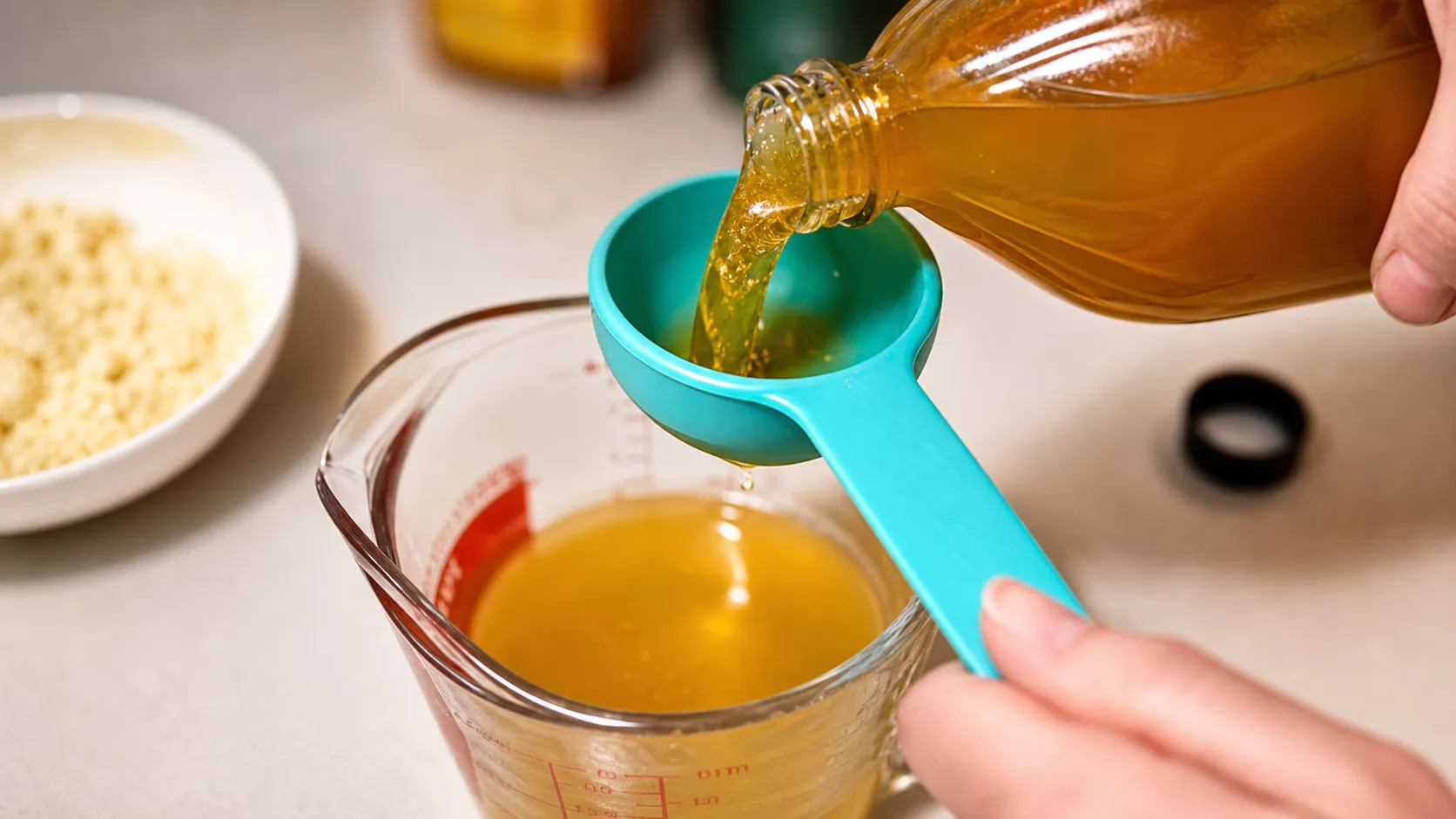
The method typically involves stirring a tablespoon of unflavored gelatin powder into hot water, adding a small amount of cranberry or pomegranate juice, and drinking it around 15 to 30 minutes before a meal.
Supporters of the trend say the drink creates a gel-like substance in the stomach, helping it take up space and allegedly making the brain think the body is already full.
However, speaking to Good Morning America, Dr. Stephanie Widmer admitted the trend ‘may be a quick fix but is not a magic bullet for weight loss’.
She said: “The biggest issue is that most viral claims about gelatin and weight loss are overstated.
“Gelatin can fit into a healthy diet, but it certainly should not replace balanced meals. It shouldn’t replace fiber, fruits, vegetables, and other protein sources that may actually help you feel full longer.”
Widmer also highlighted that gelatin and GLP-1 medications should not be treated as equivalents, saying the ‘two have completely different properties and efficacy’.
“Gelatin is mostly a protein. It can help you feel fuller for a short period of time, whereas GLP-1s really work on a hormonal level. These are two entirely different things,” she said.
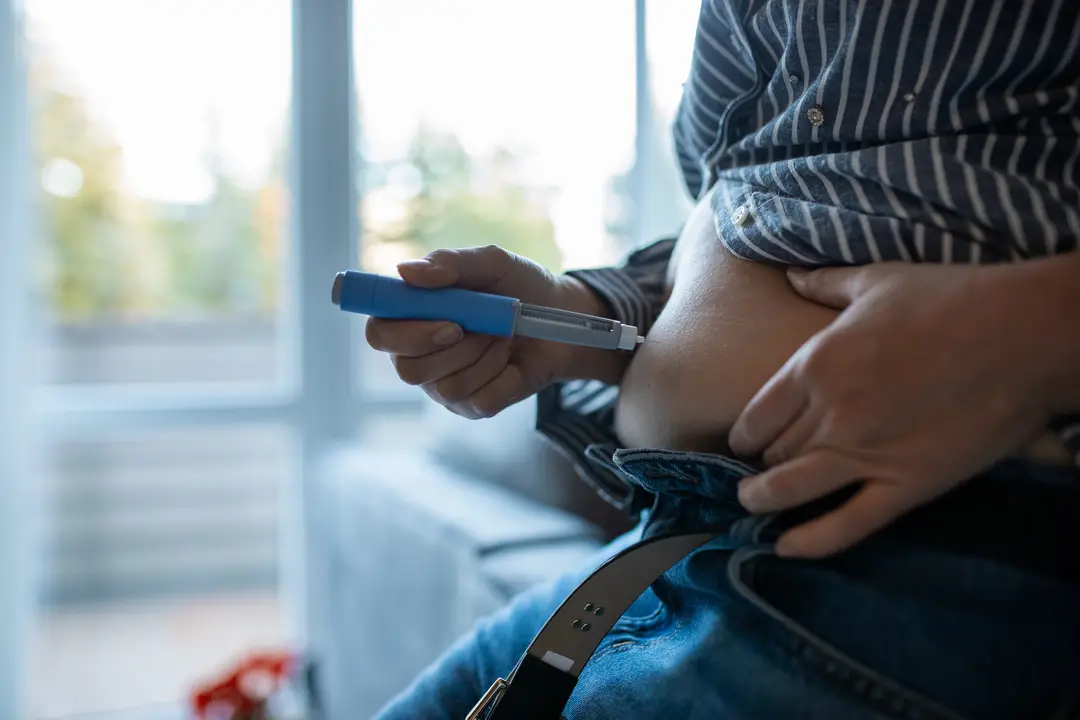
Unlike gelatin, GLP-1 drugs work by mimicking a gut hormone that helps regulate appetite and blood sugar, and prescription versions are used alongside reduced-calorie diets and increased physical activity. They also come with important safety warnings, including gastrointestinal side effects and other risks that require medical supervision.
Experts say the gelatin trend is unlikely to match that effect, and in some cases it could backfire if people use it as a meal replacement rather than as part of a balanced diet. Adding sweet juice may also introduce extra sugar, and some people may experience bloating, stomach discomfort or reflux if they consume large amounts of gelatin.
For people looking to recreate at least some appetite-control benefits without medication, dieticians instead advise drinking water before meals and focusing on foods rich in fiber, protein and volume such as vegetables, beans, whole grains and fruit.
That approach is generally considered more sustainable than viral hacks, especially because fiber is more closely linked with fullness and overall diet quality than gelatin alone.