

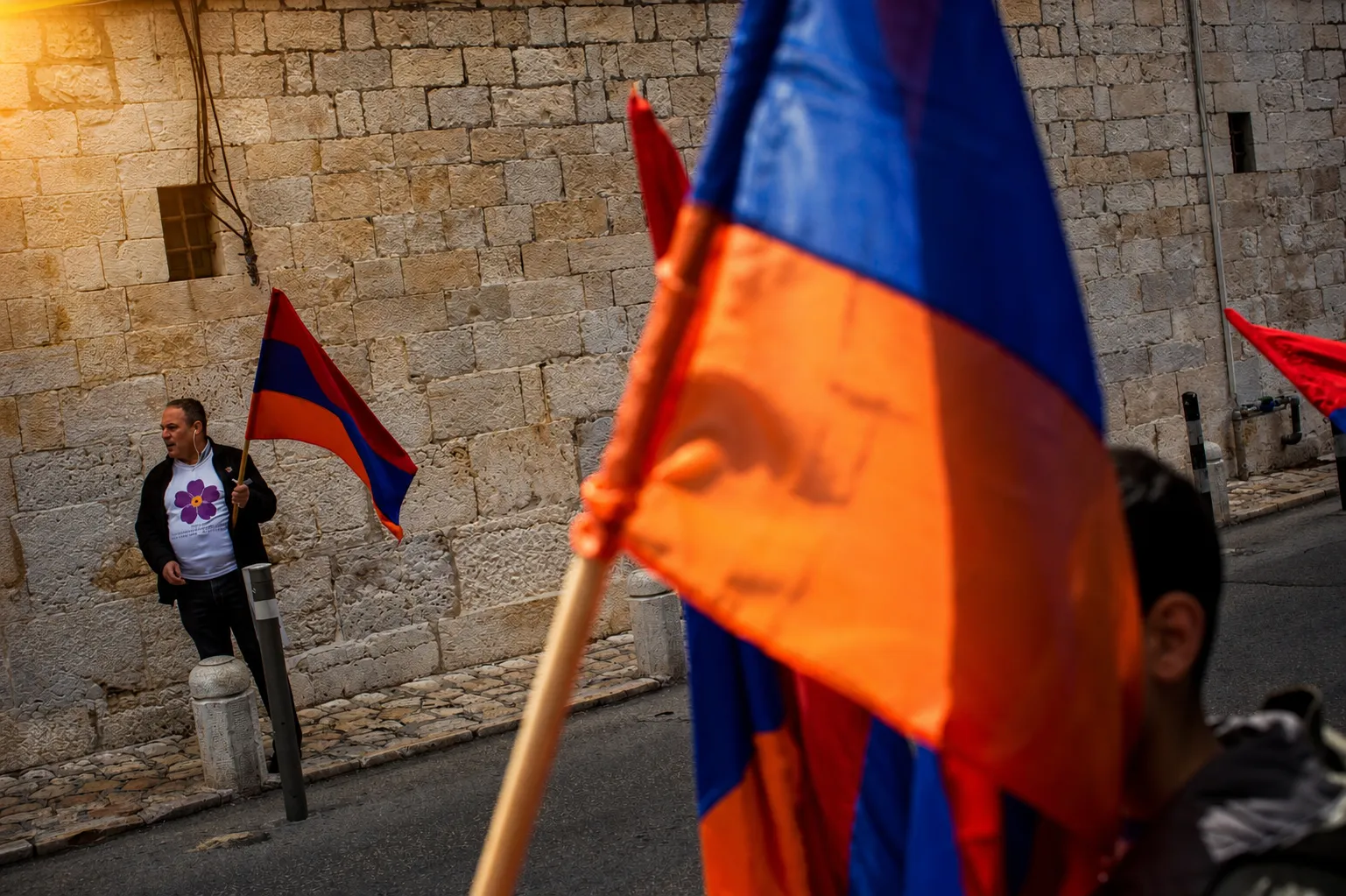
In a historic shift that caps decades of diplomatic silence, Israel’s government unanimously approved a resolution on Sunday to formally recognize the mass killings of Armenians during World War I as genocide, marking a dramatic departure from years of calculated ambiguity on the subject.
The Israeli Cabinet’s unanimous approval of the measure, brought forth by Foreign Minister Gideon Sa’ar, still requires parliamentary approval in the Knesset before becoming official state policy. If approved by lawmakers, Israel would become the 35th country to formally recognize the Armenian genocide, joining the United States, Canada, Russia, Germany, France, and others in making this declaration.
Sa’ar declared that recognizing the genocide is “never too late” and described it as a fundamental moral obligation. “This horrifying genocide, which took place more than 100 years ago and whose historical facts are truly beyond dispute, involved the murder of approximately 1.5 million people and the destruction of an ancient cultural and historical heritage,” Sa’ar said following the vote. “In my view, it is our moral duty as Jews—and certainly as the state of the Jewish people—to make the decision we made today.”
Prime Minister Benjamin Netanyahu backed the resolution fully, telling a press conference on Saturday that he “certainly supports it.” Netanyahu, who in August 2025 became the first Israeli prime minister to personally acknowledge the Armenian genocide, indicated he had never attempted to block previous recognition efforts. When asked whether he had concerns about Turkey’s reaction, he declined to comment and simply reiterated his support.
The Armenian genocide began in April 1915 with the systematic arrest, deportation, and killing of Armenian intellectuals, community leaders, and educated figures in Constantinople. Ottoman authorities subsequently launched a campaign of widespread extermination against the broader Armenian population, with historians estimating between 664,000 and 1.2 million Armenians died as a result.
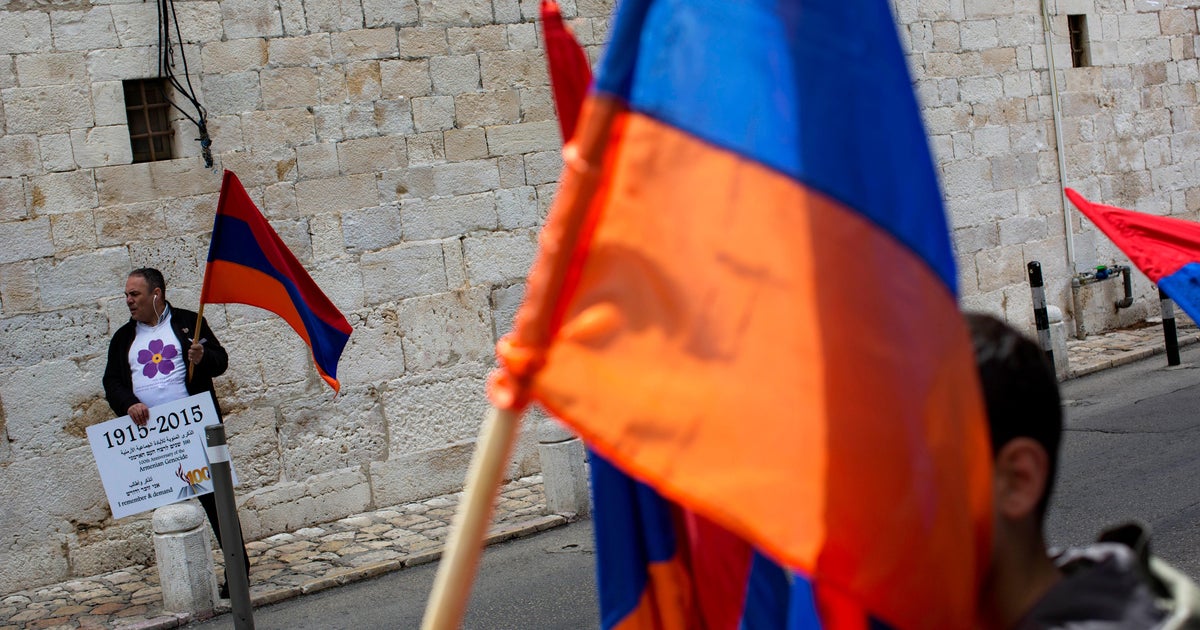
For nearly eight decades since Israel’s founding, the country had studiously avoided any official recognition of the Armenian genocide, a deliberate policy choice rooted in diplomatic considerations regarding relations with Turkey. In some cases, Israeli officials actively worked to suppress international recognition of the killings. In a particularly notable instance, then-Foreign Minister Shimon Peres stated in 2001 that while the Armenian massacres were “a tragedy,” they did not constitute genocide. Such positions, scholars have noted, crossed into active denial of historical facts widely documented in academic literature and recognized outside of Turkey and Azerbaijan.
The calculation changed only as Israel’s relationship with Turkey deteriorated sharply, particularly following the October 7, 2023, Hamas attack that sparked the war in Gaza. Turkish President Recep Tayyip Erdogan has been fiercely critical of Israel’s military campaign, repeatedly comparing Prime Minister Netanyahu to Adolf Hitler and accusing Israel of committing genocide itself. In August 2025, when Netanyahu personally recognized the Armenian genocide, Turkey responded by closing its airspace to Israeli aircraft and severing economic relations.
Turkey, for its part, denies that the Ottoman Empire’s actions against Armenians constituted genocide, maintaining instead that those killed were victims of civil war and unrest. The Turkish government has long contended that the death toll has been inflated and that the deportations, while tragic, were a legitimate wartime measure. Officials in Ankara have characterized international genocide recognition efforts as an “institutionalized campaign” against their country and have spent decades and millions of dollars lobbying against recognition worldwide.
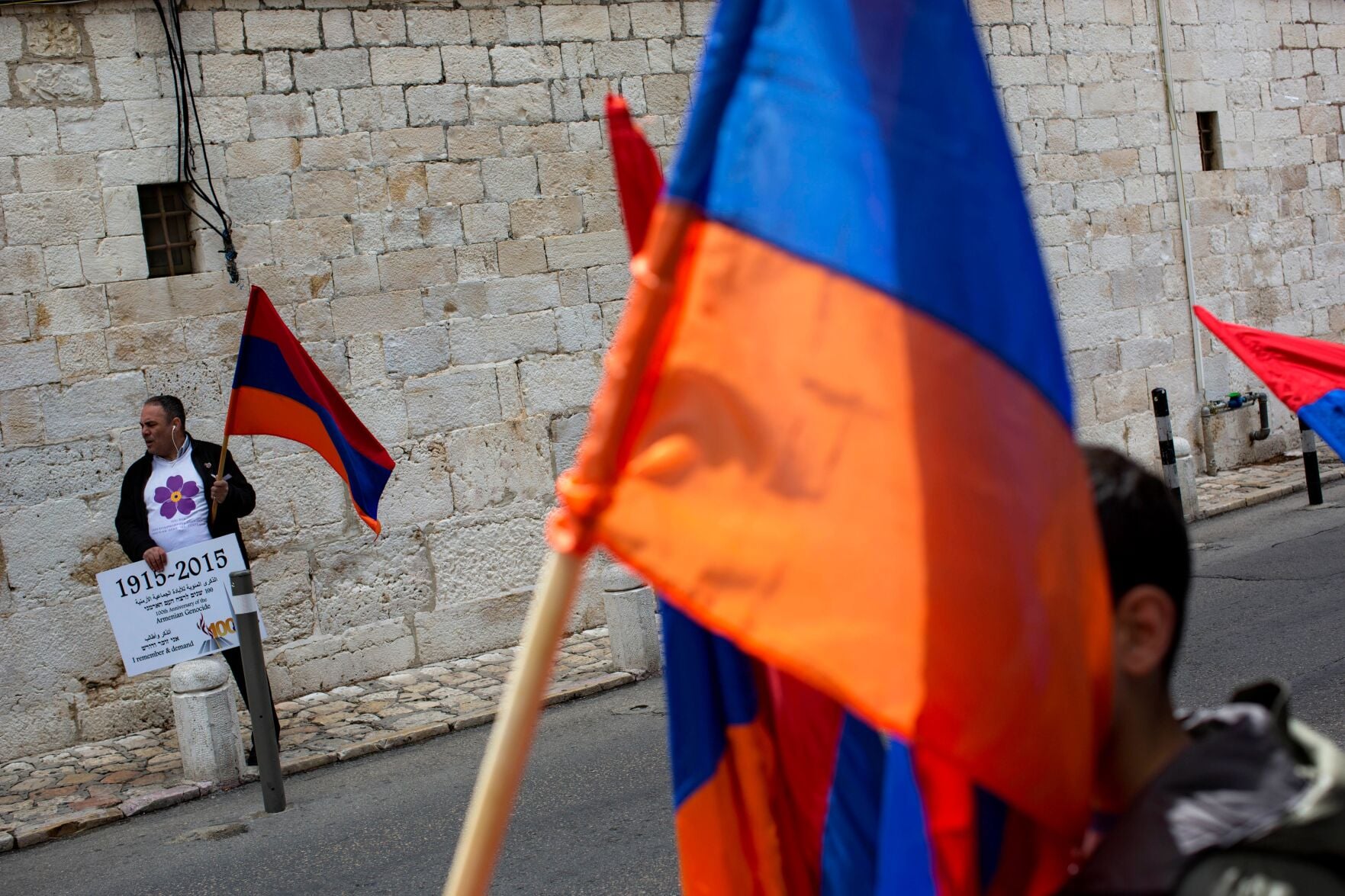
Israel’s decision comes amid increasingly strained relations between the two nations. Beyond the Gaza conflict, tensions have escalated over competing interests in Syria and the broader Middle East region. Istanbul prosecutors have sought lengthy prison sentences for Netanyahu and dozens of Israeli officials related to the interception of a Turkish flotilla carrying humanitarian aid. Both countries have recalled ambassadors, and Turkey has imposed trade restrictions on Israeli-linked companies.
The Armenian genocide recognition resolution explicitly condemns any attempts to deny, minimize, or distort the historical truth surrounding the atrocities. The resolution emphasizes that recognition is grounded in Israel’s “moral and historical duty,” language that Foreign Minister Sa’ar stressed reflects the unique moral authority that a nation born from the Holocaust carries in bearing witness to genocide.
Sa’ar noted that Israeli leaders from across the political spectrum have previously described the violence against Armenians as genocide, yet no such position had ever been formally adopted through a government vote or parliamentary resolution. A Knesset parliamentary committee issued a recognition resolution in 2016, but this marks the first time Israel’s government itself has moved to officially acknowledge the events as genocide.
The resolution’s path to parliamentary approval remains uncertain, though the unanimous Cabinet vote signals strong support at the highest levels of government. If approved by the Knesset, the move would represent a turning point in Israel’s historical approach to the Armenian genocide, a change that reflects broader geopolitical realignment in the Middle East and the Israeli government’s reassessment of its strategic interests in an increasingly fractured region.