


As the 2026 World Cup runs from June 11 to July 19 across the US, Canada and Mexico, many supporters will be watching late-night fixtures, gathering with friends and celebrating well into the evening. Medical and road safety officials are reminding fans to drink responsibly, watch for the warning signs of alcohol poisoning and make a safe plan to get home.
Consuming a large amount of alcohol in a short period can quickly affect coordination, judgment and self-control.
When intake goes beyond heavy drinking and reaches toxic levels, it can lead to alcohol poisoning, a medical emergency that can become fatal in a short space of time.
This happens when alcohol levels in the bloodstream become so high that vital brain functions begin to fail, including those that regulate breathing, heart rate and body temperature.

According to specialists at the National Institute on Alcohol Abuse and Alcoholism, major warning signs include severe confusion or stupor, being hard to wake or completely unresponsive, vomiting, seizures, slowed breathing, breathing fewer than eight times a minute, pauses of ten seconds or longer between breaths, a reduced heart rate, cold or clammy skin, loss of the gag reflex, and very low body temperature or skin that looks bluish or pale.
If a person nearby is showing any of these symptoms, call 911 right away. You should not wait until every symptom appears, because someone who is unconscious may still be in life-threatening danger.
Trying home remedies is not the answer. Coffee, a cold shower or forcing someone to walk around will not undo alcohol poisoning and may even increase the risk.
The scale of alcohol-related harm remains significant. More recent federal data show alcohol-specific emergency department visits continued to rise in the US, reaching about 4 million visits among men and 1.4 million among women in 2021-2022, underscoring how often alcohol leads to serious medical problems.
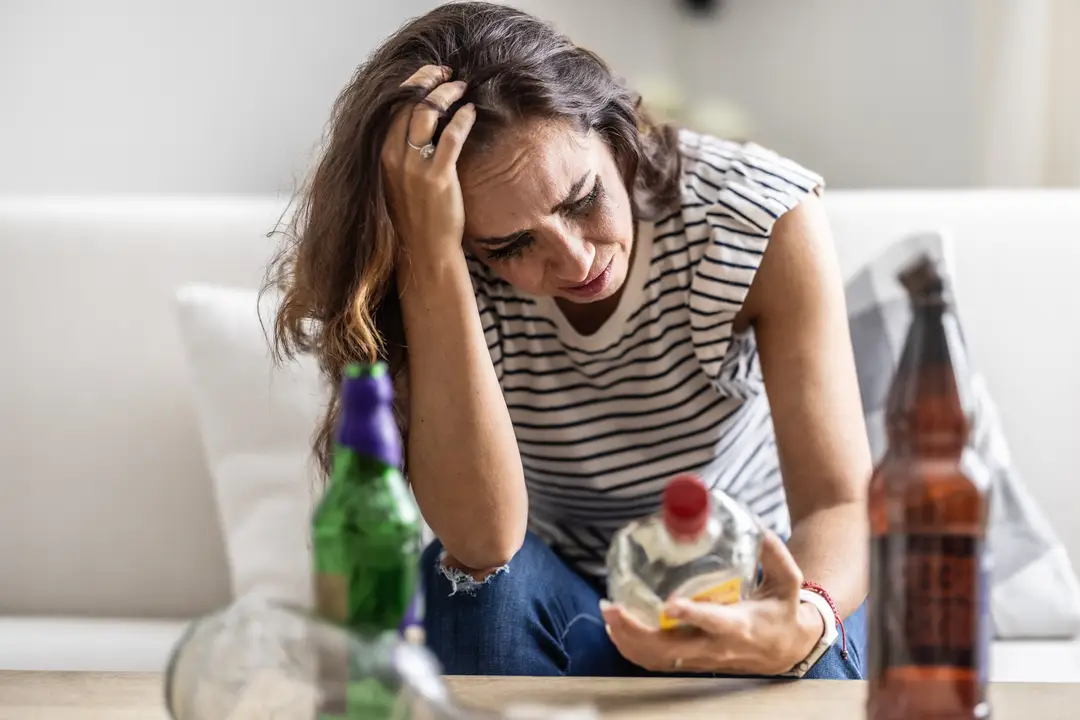
Although anyone can be at risk after drinking heavily in a short timeframe, younger drinkers face particular danger.
Binge drinking is generally described as reaching a blood alcohol concentration of 0.08% or above, often after around five drinks for men or four for women within roughly two hours. A person’s age, body size, whether they have eaten, how quickly they are drinking and what medications they may be taking can all change the way alcohol affects them.
Alcohol becomes even more hazardous when combined with opioids or sedatives, since those substances also depress the systems in the brain that control breathing.
Another major concern is that BAC may continue climbing after someone has stopped drinking or even after they have passed out, because alcohol still in the stomach and intestines can carry on entering the bloodstream. Someone who is unconscious should never simply be left to “sleep it off”.
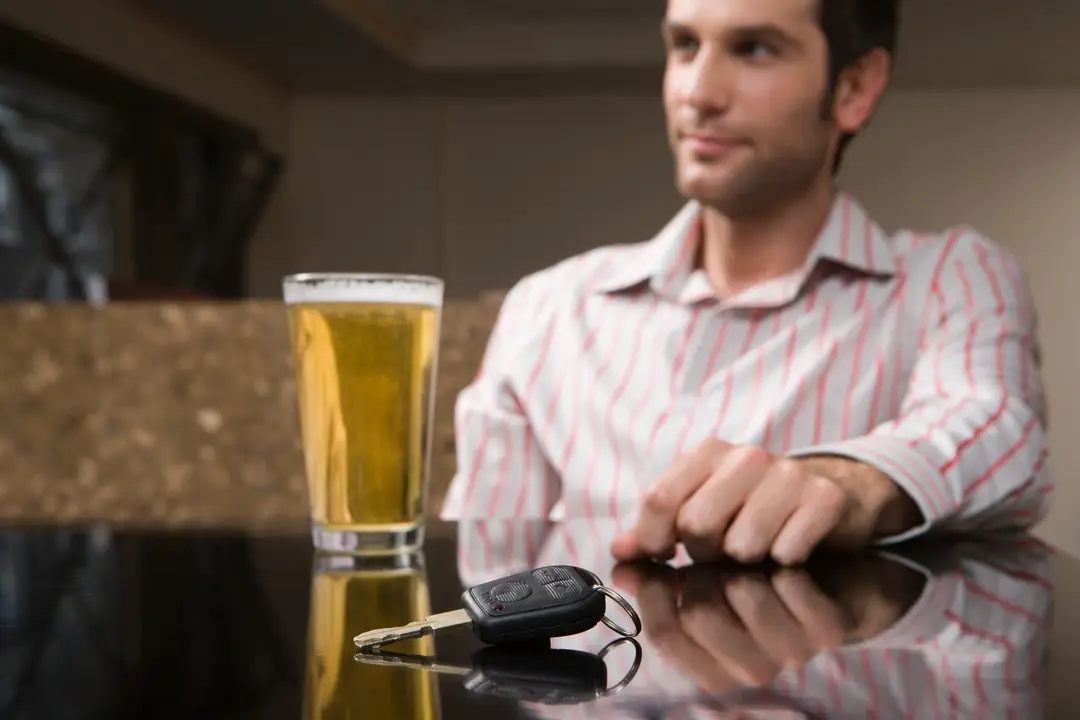
The concern does not end when the evening is over. The National Highway Traffic Safety Administration is also warning football fans about driving the following day, and the latest figures show why that message matters.
In 2024, alcohol-impaired crashes killed 11,904 people in the United States. That works out to about 32 deaths every day, or one every 44 minutes. Drivers with a BAC of 0.08 are also thought to be around four times more likely to crash than drivers with no alcohol in their bodies.
In all 50 states, the District of Columbia and Puerto Rico, the legal driving limit is 0.08% BAC, except in Utah where the limit is 0.05%. But people are often poor judges of whether they are actually below it. Alcohol can stay in the body much longer than many assume, and a full night’s sleep does not automatically mean someone is safe to drive.
Roughly 300,000 people are estimated to drive drunk each day in the US, yet only about 3,200 are arrested. Many believe they are capable of driving safely, but that confidence is often misplaced.
Experts recommend making transport arrangements before drinking starts. That could mean booking a rideshare, arranging a designated sober driver or staying where you are overnight. After a particularly heavy session, it is safest to assume you may still be impaired well into the next day. Feeling fine is not proof that you are fit to get behind the wheel.
If you suspect someone is suffering from alcohol poisoning, call 911, place them on their side to reduce the risk of choking, and remain with them until emergency help arrives.