

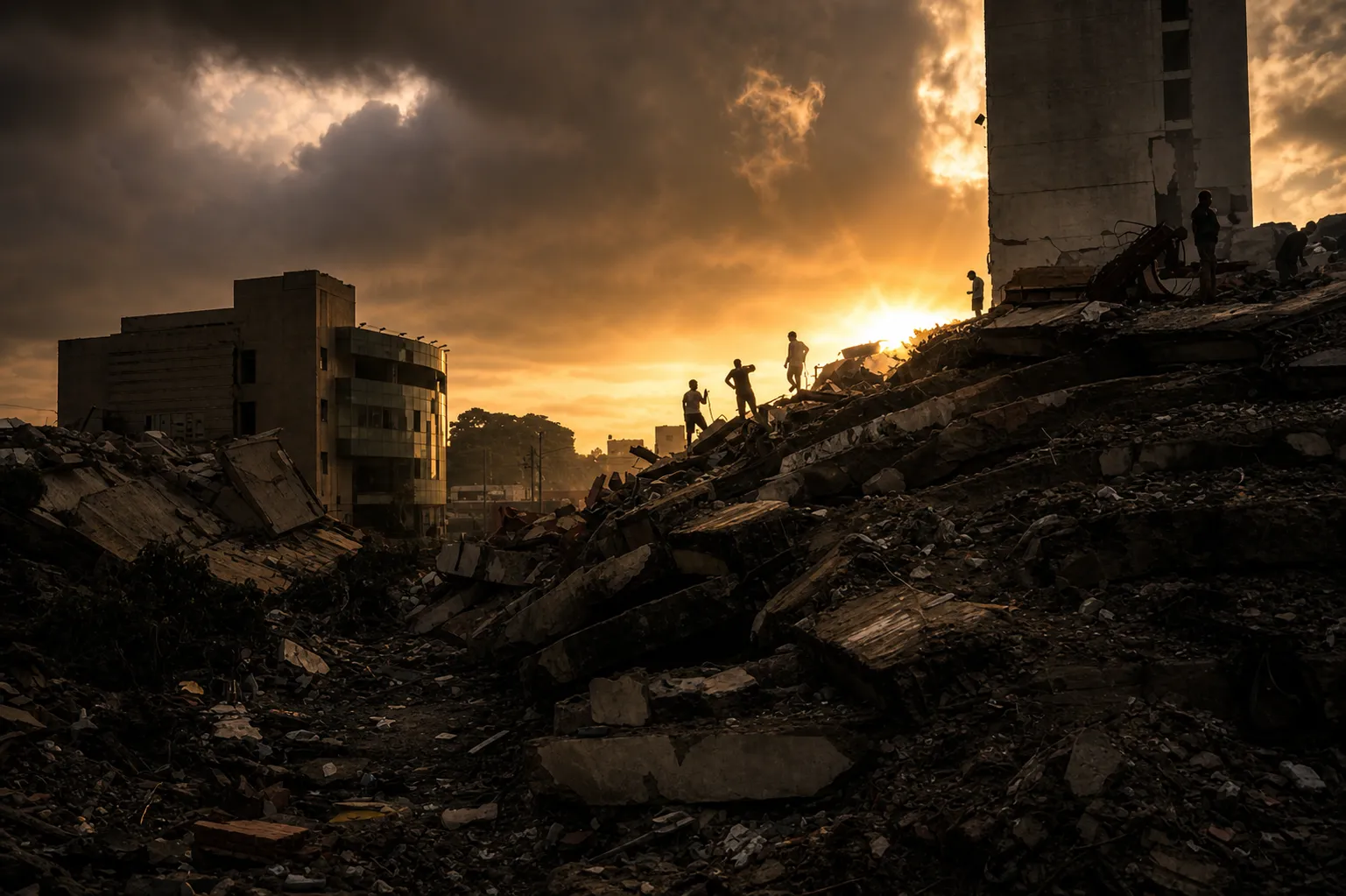
A tragic convergence of events unfolded along Venezuela’s coast when more than 100 deportees from the United States found themselves caught in a devastating natural disaster hours after arriving in their home country. A deportation flight from Miami arrived in Venezuela on Wednesday, minutes before two massive earthquakes struck the coastal region, leaving families desperately searching for answers and survivors clinging to hope amid the rubble.
The deportation flight carried 146 Venezuelans, including 19 women and seven children, according to tracking data from an initiative of Human Rights First that monitors U.S. Immigration deportations. Upon landing at Caracas airport, the newly deported migrants were transported to the Hotel Santuario La Llanada in La Guaira, a government-run facility where they were to be processed before returning to their hometowns. The hotel sits in what would become one of the hardest-hit areas of Wednesday’s disaster.
Within hours of their arrival, two powerful earthquakes—measuring 7.2 and 7.5 in magnitude—struck the coast near Caracas, toppling buildings across the region and leaving thousands dead. The hotel where the deportees were staying collapsed under the force of the twin tremors, trapping many of those who had just arrived. The earthquakes were Venezuela’s strongest in more than a century, causing widespread destruction across the coastal state of La Guaira.
Some deportees managed to escape the collapsing structure. Lisbeth Portillo, 58, said she survived by crawling from beneath the debris. “I fall and end up buried and covered by a beam, but the shaking shifted everything where I was buried and I was able to get out,” Portillo said. She and approximately 20 other deportees fled the ruins and walked about five kilometers through devastated streets to find help. “We walked about five kilometers, and I cried and cried … there was no communication,” she recalled. They eventually reached a National Guard building where they could contact relatives. Portillo, who had been living in South Florida after crossing the U.S. Border in 2021 with a pending asylum claim, expressed her gratitude for survival while also acknowledging the trauma. “I was born again; God gave me a second chance,” she said.
Another survivor, Jenny Rodriguez, 24, also shared her harrowing experience. “I was trapped under the rubble. A colleague who had been on the same flight came by; I managed to free my hand from the debris, grabbed him by the trousers, and begged for help,” she told the Telemundo network. “Thanks to God — and to him — I was able to get out of there.”
However, not all of those on the flight escaped. According to information gathered by Katherine Arana, a Venezuelan American from South Carolina who created a spreadsheet to track the deportees, at least 25 were killed, 21 were still missing as of Monday, and nine had survived. Some bodies recovered from the rubble remained unidentified, complicating efforts to account for all those who were in the hotel.
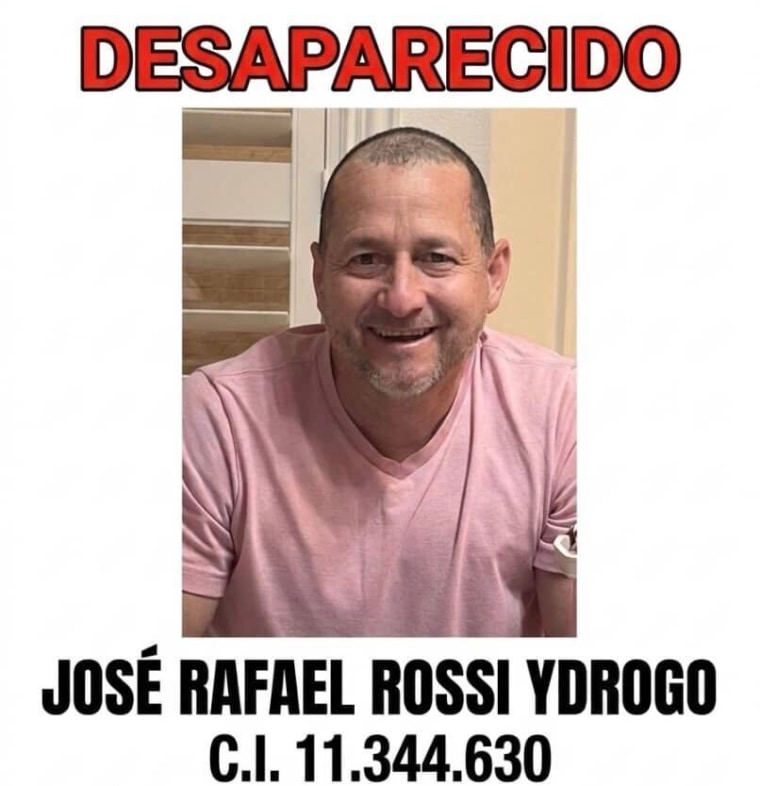
Families separated by deportation are now grappling with uncertainty and limited access to information. Enit Hernández, from Texas, told authorities that her husband, José Rafael Rossi Ydrogo, is among the missing deportees. “On Tuesday he called me and said they told him to gather his belongings because he was leaving the next day. That was the last time I ever heard from him,” Hernández said. Her husband had been detained during an ICE check-in and was deported despite being told a judge would review his case. In Fort Worth, he had owned a construction business and remodeled homes before his detention.
The case of Angelo Mejía Meléndez, 27, illustrates the devastating personal toll. His mother, Luz Marina Meléndez, learned of her son’s death when a survivor told her he witnessed him perish in the earthquake. The family had planned a reunion for that very weekend. “I’m sad and I’m enraged,” Meléndez said.
Multiple families have reported serious obstacles in their search efforts. Relatives and friends said authorities are not allowing them or rescue workers near the collapsed building, making it nearly impossible to obtain information about missing loved ones. Some families have reported conflicting accounts—receiving information that missing deportees were found alive in the rubble only to later find them nowhere in area hospitals.
Daniel Alejandro Núñez Ramírez, 28, remains missing. His cousin, calling from Chile, said the family was told he had been found alive and removed from the rubble, but the family has not been able to locate him in any hospital. “We feel destroyed, because it really hurts us,” said cousin Yaneth Gabriela Mejías Ramírez.
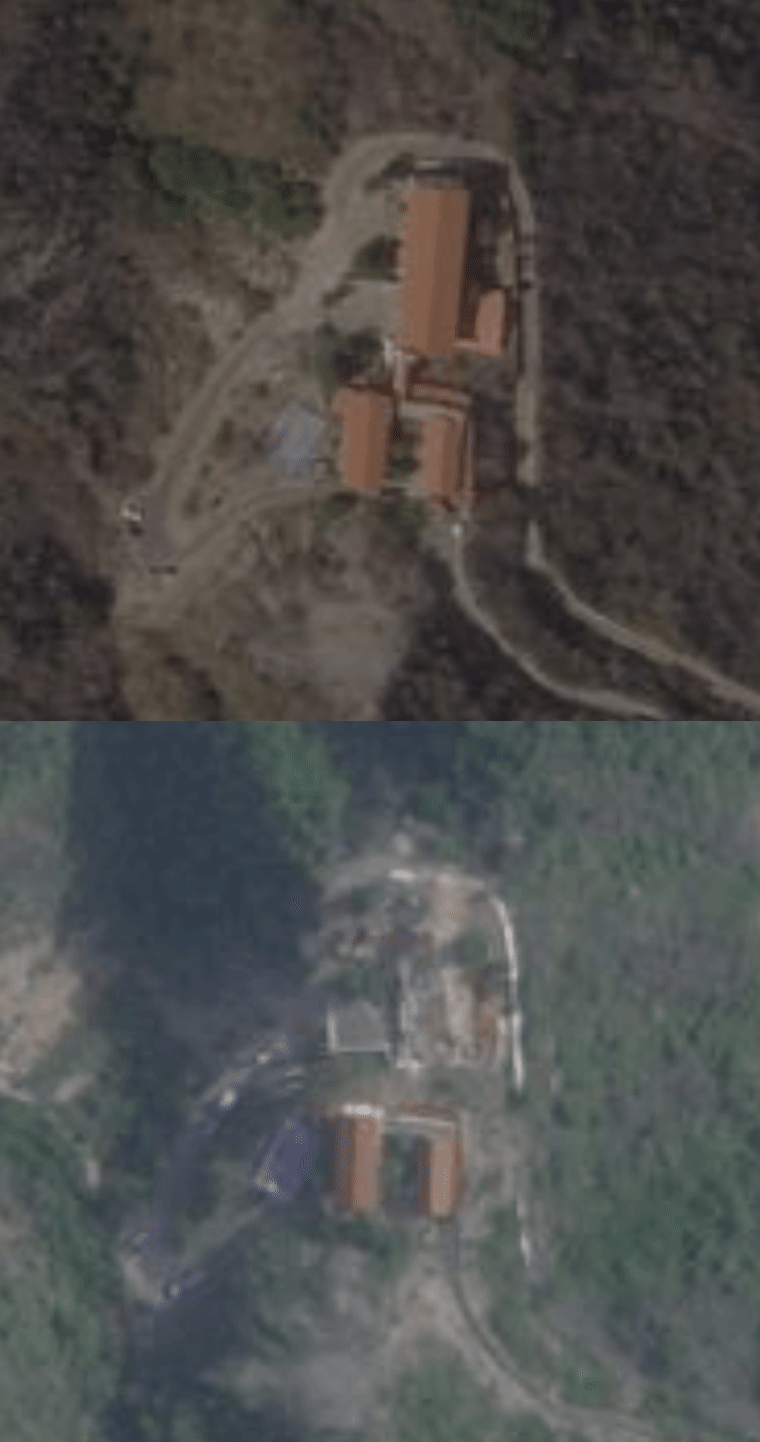
Families have also raised concerns about why deportees’ phones and documents were withheld upon arrival, complicating identification and communication efforts during the disaster. The Venezuelan government’s Return to the Homeland Grand Mission, which receives returning migrants, did not respond to questions about these practices.
The scale of Venezuela’s overall disaster is staggering. The government reported more than 1,700 deaths, with over 5,000 injured. The United Nations estimated that 50,000 people are missing across the country. International rescue teams from around the world, including the United States, have been searching through rubble in a desperate race against time as the critical 72-hour window for finding survivors passed days ago.
The tragedy has raised difficult questions about the timing and circumstances that placed deportees in harm’s way. Those who survived and the families of those still missing face an uncertain future, haunted by what some relatives call the “infamous flight”—a journey home that unexpectedly became a tragedy for more than 100 people who were simply trying to be reunited with their country.