

—
Blake Lively is seeking more than $8 million in legal fees and litigation costs from Justin Baldoni and his production company following their settlement in what became one of Hollywood’s most contentious disputes. The request comes less than two months after the former “It Ends With Us” co-stars reached an eleventh-hour settlement just weeks before their case was set to proceed to trial.
In a motion filed on June 29, Lively’s legal team specified that she is seeking $7,495,526.87 in attorneys’ fees along with $539,514.01 in additional costs and expenses incurred while defending against Baldoni’s $400 million defamation lawsuit. The total request amounts to approximately $8.04 million.
The lengthy legal battle began in December 2024, roughly four months after the release of the film “It Ends With Us.” Lively initially filed a complaint with the California Civil Rights Department accusing Baldoni, who directed the movie and also starred as her love interest, of sexual harassment on set. She alleged that Baldoni and his production company Wayfarer Studios engaged in a coordinated campaign to damage her reputation after she raised concerns about misconduct during filming.
In response, Baldoni filed a massive countersuit in January 2025, alleging that Lively and her husband, actor Ryan Reynolds, had weaponized false allegations of harassment in an effort to seize control of the film. He also pursued a separate defamation case against the outlet over an article detailing Lively’s allegations.
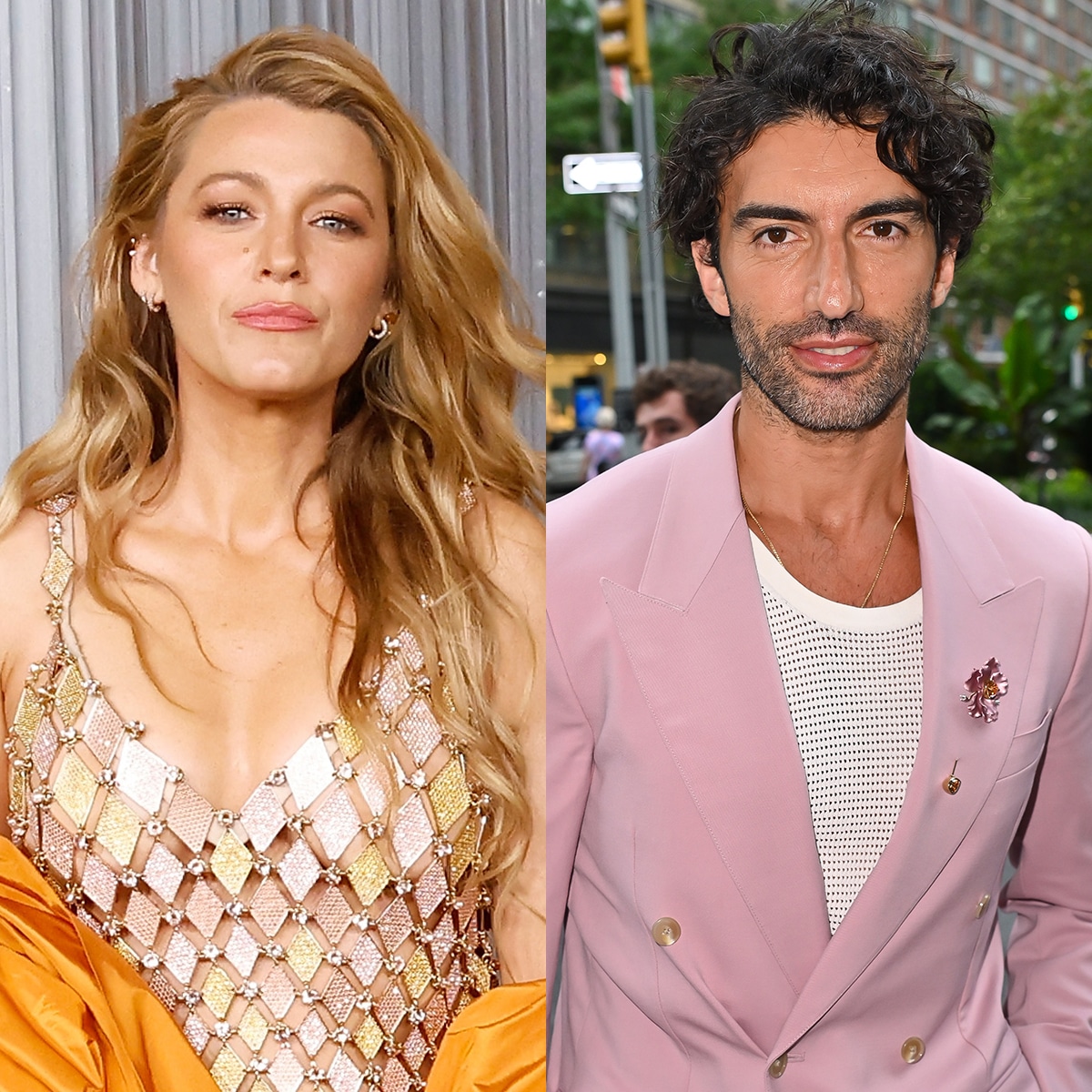
A federal judge ultimately dismissed Baldoni’s $400 million lawsuit against Lively in June 2025, finding that her statements were protected under litigation privilege. In April 2026, the judge tossed out most of Lively’s own claims against Baldoni, including sexual harassment allegations, determining that she was an independent contractor rather than an employee and therefore not covered under certain employment discrimination laws. However, the judge allowed three of her claims to proceed, including retaliation and breach of contract.
The case never made it to trial. The two parties announced their settlement on May 4, 2026, just two weeks before trial was scheduled to begin. Under the terms of the settlement, no money was exchanged between the parties, but the agreement preserved Lively’s right to pursue legal fees and damages under California Civil Code Section 47.1—a 2023 law designed to protect people who report sexual misconduct from retaliatory defamation claims.
The judge’s decision to allow Lively to pursue attorney fees was based on Section 47.1, also known as the Protecting Survivors from Weaponized Defamation Lawsuits Act. In a June 12 ruling, Judge Lewis J. Liman determined that Lively was entitled to recover her defense costs, finding that she brought her claims in good faith and without malice, and that Baldoni’s allegations were protected by the statute. However, the judge denied her request for punitive damages and triple damages, stating that those remedies are not available under federal law.
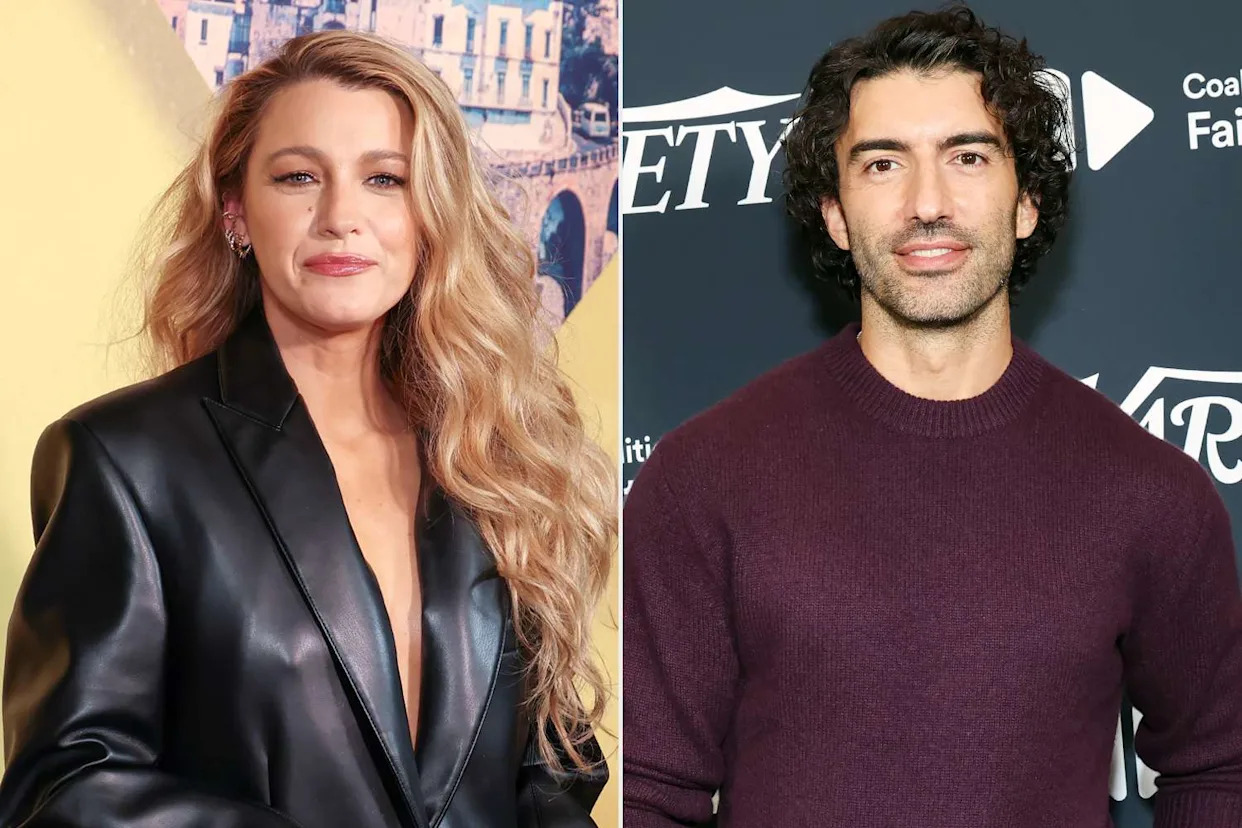
“Thanks to this landmark decision, those considering using a lawsuit as a weapon of intimidation have been put on notice that there are consequences for doing so,” Lively’s attorneys Michael Gottlieb and Esra Hudson said in a statement following the judge’s ruling. “The value of this ruling is in the precedent it creates, the accountability it imposes, and the protection it provides to those who may one day find themselves facing similar retaliation for speaking the truth.”
In their fee request, Lively’s legal team argued that the legal work necessary to defend against Baldoni’s lawsuit was “comprehensive and necessary to achieve the complete win that was secured.” They also emphasized the significant press attention surrounding the case, noting thousands of indexed and syndicated media articles and approximately 7,000 documents that had been produced during discovery.
Baldoni’s attorney, Bryan Freedman, sought to minimize the significance of the fee award, characterizing it as limited in scope. “Ms. Lively was only awarded limited attorney fees for a single claim as part of a case that lasted only a matter of months, nothing more,” he said, noting that 10 of Lively’s original 13 claims had been dismissed by the judge before the settlement. Freedman has maintained that Baldoni denies all allegations against him, stating that there was no sexual harassment, retaliation, or smear campaign as Lively contended.
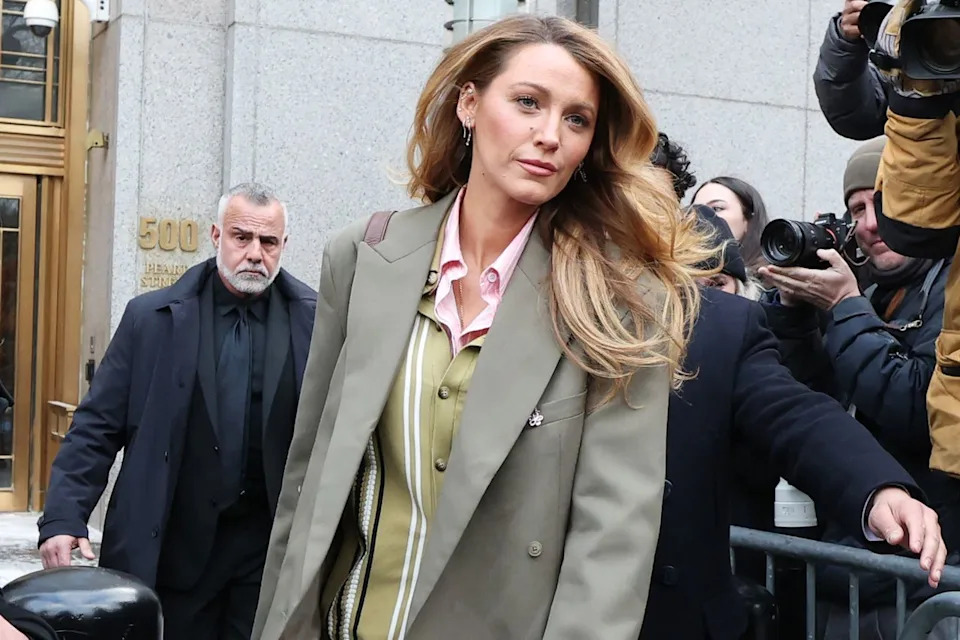
Baldoni and his Wayfarer Studios have until July 13 to respond to Lively’s fee request. Judge Lewis Liman will then determine whether to award the full amount sought, reduce it, or deny portions of the request. The case has drawn significant attention in Hollywood, exposing private communications between major stars and revealing behind-the-scenes industry dynamics that typically remain confidential.
The dispute centered on events during the production of “It Ends With Us,” a 2024 film adaptation of Colleen Hoover’s bestselling novel about domestic violence. Lively alleged that during filming in 2023 and early 2024, Baldoni made inappropriate comments, inserted sexual content into scenes without consent, kissed her without permission, and created a hostile work environment. In an amended complaint, she also alleged that Baldoni and his team orchestrated a retaliatory online campaign designed to silence her after she raised these concerns at an all-hands meeting attended by stakeholders and her husband.
Baldoni countered that Lively was attempting to seize creative control of the film and had fabricated allegations to advance that agenda. He emphasized that many of the alleged inappropriate conduct occurred within the context of scenes they were filming together and characterized Lively’s complaints as part of a coordinated effort by her and Reynolds to damage his reputation.
The settlement agreement requires both sides to waive their right to appeal the judge’s determinations on the fee motion, binding them to whatever amount the judge ultimately awards.