

The Trump administration froze federal funding for New York’s Medicaid Fraud Control Unit on Tuesday, accusing the state agency of failing to secure enough criminal indictments and convictions in its investigations of healthcare provider fraud. U.S. Department of Health and Human Services Inspector General Thomas March Bell announced in a letter to state officials that millions of dollars in funding would be suspended through at least September 30.
The action marks the second time this year that the Trump administration has suspended funding for a state Medicaid fraud unit, following a similar move targeting Hawaii in early June. The freeze comes as part of a broader Trump administration campaign against fraud in federal healthcare programs, one that has included creating new task forces, launching targeted investigations, and demanding that healthcare providers undergo revalidation. These efforts have focused particularly on states led by Democrats.
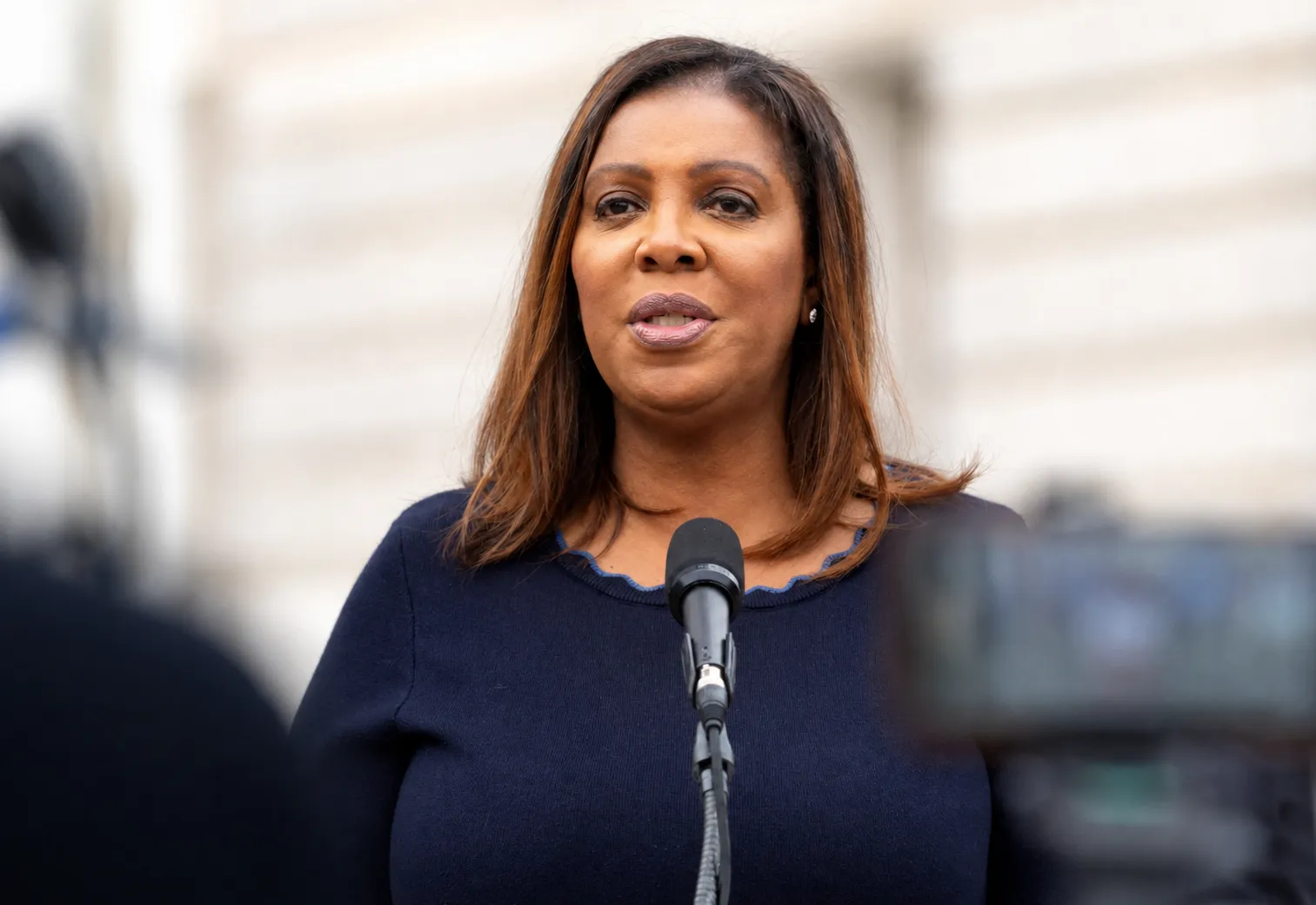
In his letter to New York Attorney General Letitia James and Medicaid Fraud Control Unit Director Amy Held, Bell argued that the unit was moving too slowly on cases and accumulating too few indictments and convictions. He noted that compared to four similarly-sized fraud units in other states, New York secured the lowest number of criminal fraud convictions between 2023 and 2025.
The letter acknowledged one explanation for New York’s lower criminal conviction numbers: the state had deliberately chosen to focus on “high impact, complex fraud cases” rather than pursuing smaller-scale individual cases. However, Bell contended that this strategic approach had not produced sufficient results. “Enough is enough. The New York MFCU has failed to comply with the terms and conditions of its MFCU grant award,” he wrote.
Bell indicated that the state could lift the funding suspension before September 30 if New York implements corrective action to address the concerns that prompted the freeze. Without federal action, the suspension would continue.
New York Attorney General Letitia James immediately challenged the decision. Citing her office’s record, she stated that during her tenure as attorney general, her office recovered more than $627 million for Medicaid and had been recognized by the Trump administration itself for leading the nation in anti-fraud efforts. “We are considering all legal options to stop this outrageous action,” James wrote.
The decision is particularly contentious because of an earlier error by the federal government. In April, the Centers for Medicare and Medicaid Services acknowledged that it had made a significant error in figures used to justify a fraud probe into New York’s Medicaid program earlier this year. That mistake prompted critics to suggest the administration was attacking first and verifying facts later.
Adding to the controversy, the Department of Justice last week named both New York and Hawaii’s Medicaid Fraud Control Units as prosecutorial partners in a news release about a major national Medicaid fraud takedown, even as the administration was moving to cut their funding.

New York state officials have disputed the characterization of the unit’s performance. The attorney general’s office noted that it has long been recognized as a national leader in effectively investigating and prosecuting Medicaid fraud schemes. A 2025 report from the HHS inspector general’s office highlighted that New York was one of four states that together accounted for half of the total civil recoveries in fiscal year 2025. A spokesperson for the attorney general’s office said most of the unit’s criminal convictions focus on company owners, executives, and corporations that would return large amounts to Medicaid.
“Under the leadership of Governor Kathy Hochul, New York State has taken concrete steps to root out waste, fraud and abuse in Medicaid,” said New York health department spokesperson Cadence Acquaviva.
For months, the Trump administration has contended that states, particularly those led by Democrats, have been lax in addressing fraud in social safety-net programs. The administration has demanded that at least five states, four of them governed by Democrats, provide information about how they identify, prevent, and address Medicaid fraud. The federal government has also withheld some Medicaid funding from Minnesota and California over fraud concerns.

Critics of the funding freeze say it reveals a fundamental contradiction in the administration’s fraud-fighting strategy. Joan Alker, executive director and co-founder of Georgetown University’s Center for Children and Families, noted the irony of cutting off money intended for prosecuting fraud while claiming to fight it. “If you want to fight fraud, don’t take away money from states’ fraud control units,” Alker said. “I chalk this up to more political theater to distract voters from historic Medicaid cuts before the midterms.”
Minnesota Governor Tim Walz, a Democrat, has accused the Trump administration of making Medicaid cuts as retaliation, particularly after the federal government withheld $243 million in Medicaid funding from his state.
The broader fraud-fighting campaign has extended beyond Medicaid. Dr. Mehmet Oz, who leads the federal Centers for Medicare and Medicaid Services, announced a six-month moratorium on new enrollments for providers of hospice and home care services nationally. The administration characterized this action as necessary to prevent bad actors from entering the Medicare system while investigators identify and remove those already exploiting it.
Approximately 6.4 million people in New York are enrolled in Medicaid. Without a federally certified Medicaid fraud control unit, the state’s eligibility for broader Medicaid funding could be jeopardized.