

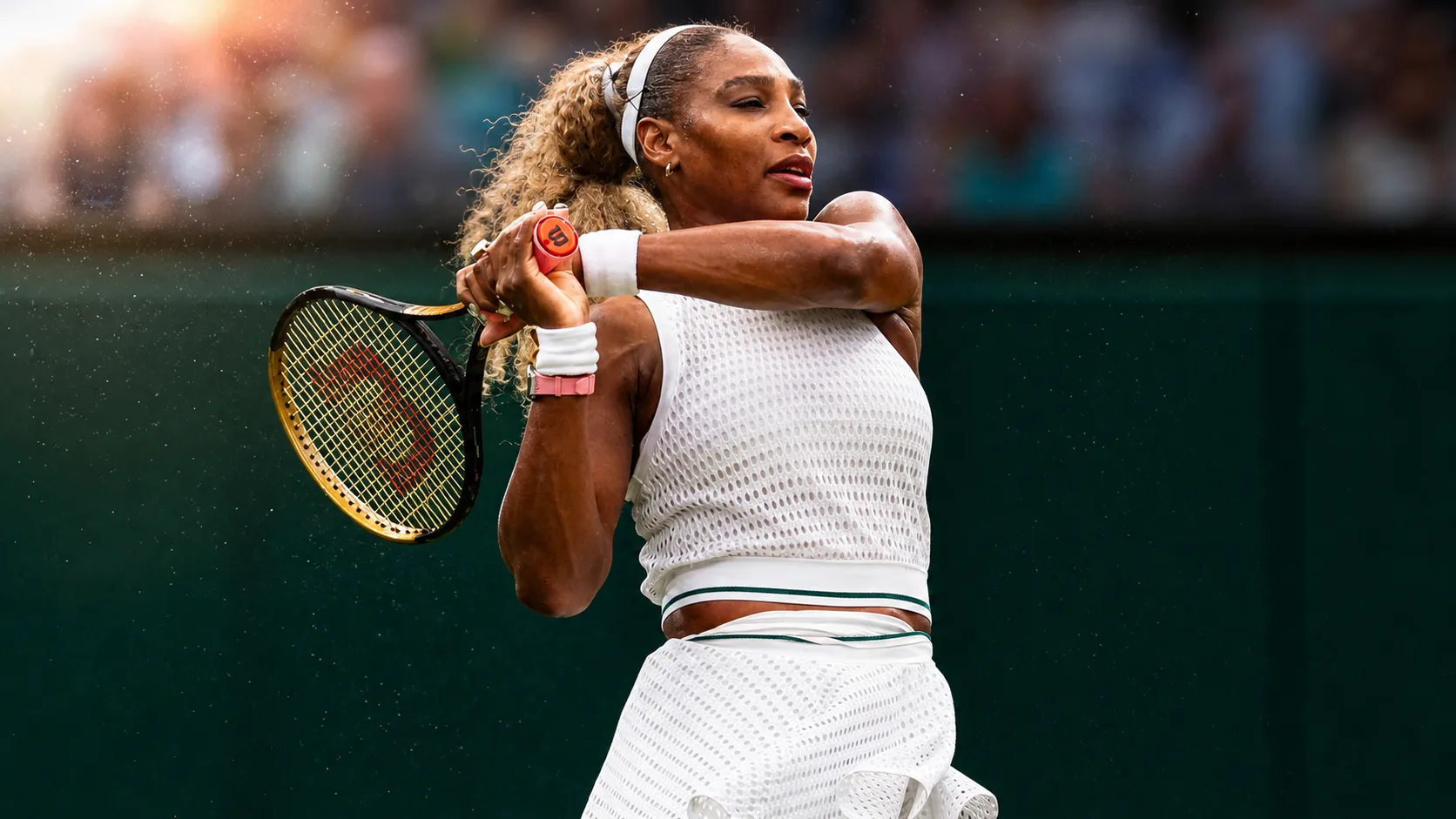
Serena Williams has spoken candidly about the impact GLP-1 medication has had on her body, her health and the demands of her tennis career, after revealing last year that she had turned to the treatment.
The 23-time Grand Slam singles winner drew widespread attention when she said she had used the weight-loss medication Zepbound and lost more than 30 pounds.
Reflecting on how difficult it was to lose weight after becoming a mother, Williams told Vogue last August:
“It was so hard after I had [my first daughter] Olympia.
“I was literally on the court every day, doing nothing else. I had been the ultimate super-athlete, always in competition and being super-healthy my entire life, but I just could never get back to where I needed to be, no matter what I did.”
She later faced similar challenges after the birth of her second daughter, Adira, in 2023.
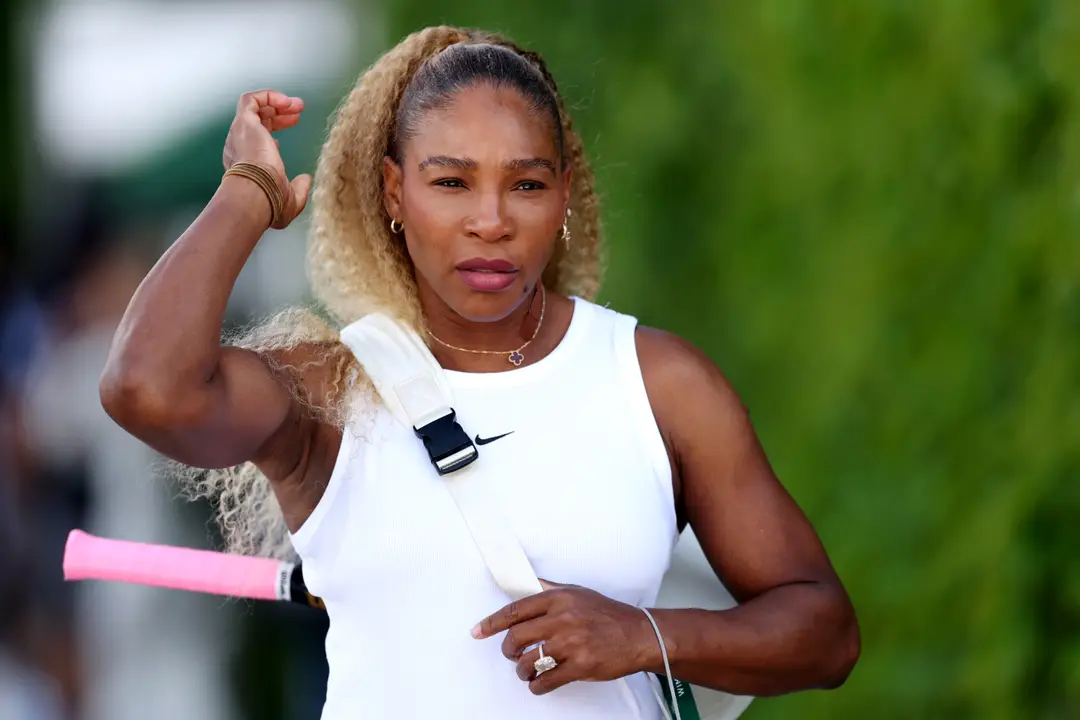
Speaking about the changes she noticed while using Zepbound, Williams said:
“I was putting in the work.
“I actually think it’s a problem a lot of other women can relate to, that you are in the gym and eating healthy, but just can’t get to the level you want or need to. I feel lighter mentally, I feel sexier, I feel more confident.”
The 44-year-old has since explained that the weight loss has affected far more than just her appearance, pointing to benefits for both her tennis and her wider health.
In an interview in January, Williams said her total cholesterol had fallen by 30 percent since 2021, dropping from 185 milligrams per deciliter to 129 milligrams per deciliter. She noted that roughly 150 milligrams per deciliter is considered an ideal level.
She also said that, before the weight loss, she had unknowingly been at risk of heart disease — something she only discovered after beginning Zepbound.
Williams added that shedding the weight has also eased pressure on her knees, an area that has troubled her throughout her time in professional sport, because there is now less strain on her joints.
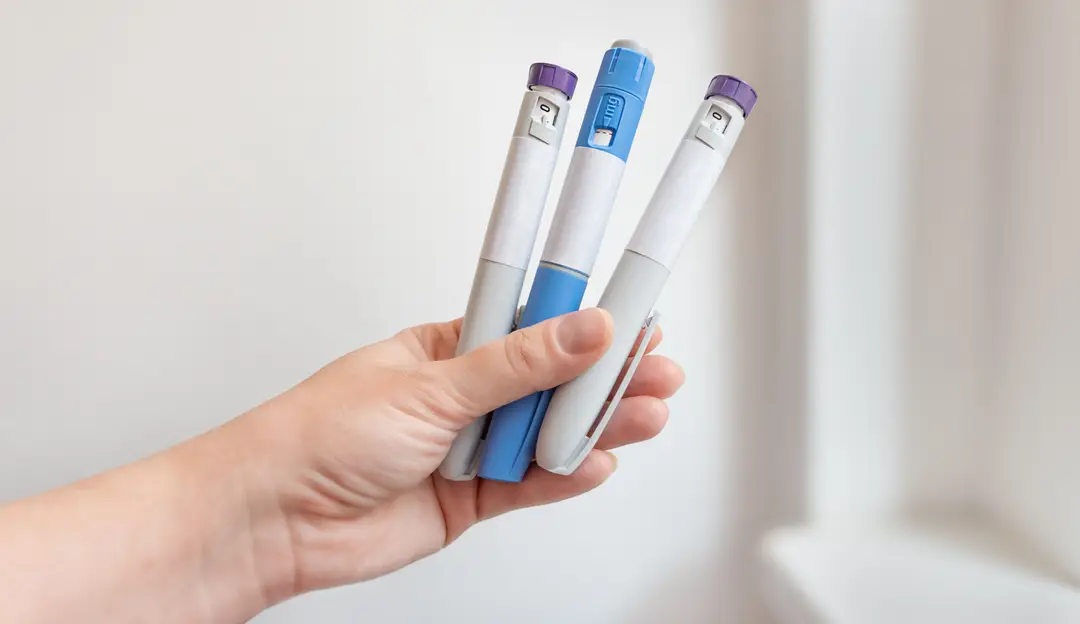
The treatment she used, tirzepatide, is the active ingredient in Zepbound, which is approved for chronic weight management alongside diet and exercise in adults with obesity, or in some adults with overweight and a weight-related condition. Common side effects can include nausea, diarrhea, vomiting, constipation and abdominal discomfort.
Now, as she makes a Wimbledon comeback in 2026 for the first time in four years, Williams has also spoken about how physically and logistically demanding elite tennis remains, saying the tournament’s requirements almost made her reconsider returning.
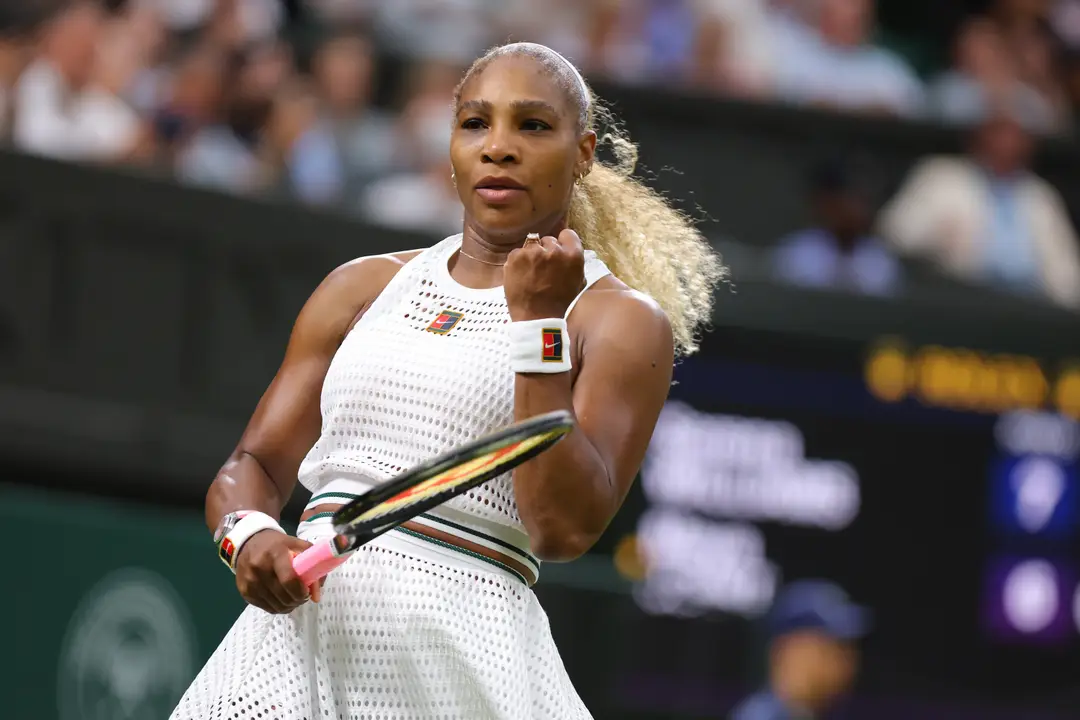
“It’s gruelling. That was a big reason why I didn’t want to come back either, because it’s just so hard,” she said, per BBC Sport.
“My life is busy, I run a [venture capital] company, I travel the world. I have children. It’s like I could be in so many different cities so many different times.”
Williams, who had not played a singles match at Wimbledon since 2022, accepted a wild card for the 2026 Championships and returned to Centre Court after nearly four years away from Grand Slam singles tennis. The comeback has again put her fitness, family life and competitive mindset into sharp focus, with Williams saying she never fully ruled out one more run at the sport’s biggest stages.
She also commented on being included in tennis’ anti-doping testing pool:
“I didn’t know some of the rules, so apparently like if you miss a test outside of your window, it still counts as miss, and like, so I guess I can’t go pick up my kids.”
Under World Anti-Doping Agency rules, athletes in a registered testing pool must make themselves available during a specified 60-minute window, and testing can also take place outside that slot. Missing the required whereabouts obligations can count as a test failure or whereabouts violation.