

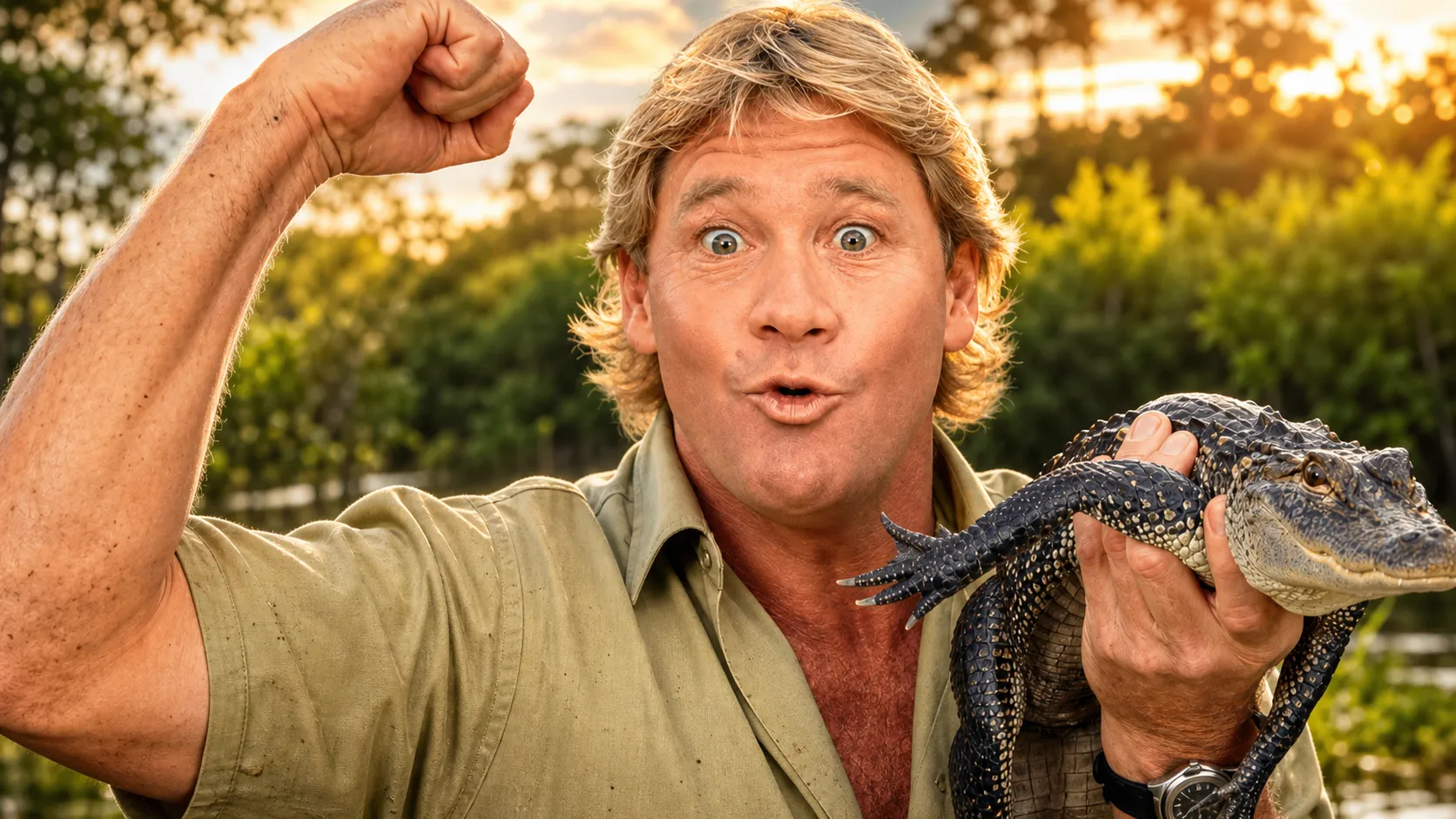
Robert Irwin has reflected on the lasting influence of his father Steve Irwin, sharing the key principle he says has stayed with him ever since his dad’s death.
Steve Irwin, known around the world as the ‘Crocodile Hunter’, died in 2006 after a short-tailed stingray struck him in the chest while he was filming the documentary Ocean’s Deadliest.
He was 44 years old at the time and left behind his wife Terri, along with their children Bindi, who was eight, and Robert, who was just two.
Since then, Steve’s family has continued the work he cared so deeply about. Terri, Bindi and Robert have carried forward his mission through Australia Zoo in Queensland, their Wildlife Warriors charity, and their wider efforts to promote conservation and animal welfare.
Now 22, Robert continues to split his time between Australia Zoo and a growing public profile that has included television appearances, photography work, conservation campaigns and major fundraising events. In 2026, he has remained a prominent face for the Irwin family’s message of wildlife protection and optimism.
During a recent appearance on the outlet’s Honesty Box, he spoke about the lesson from his dad that has had the biggest impact on his life.
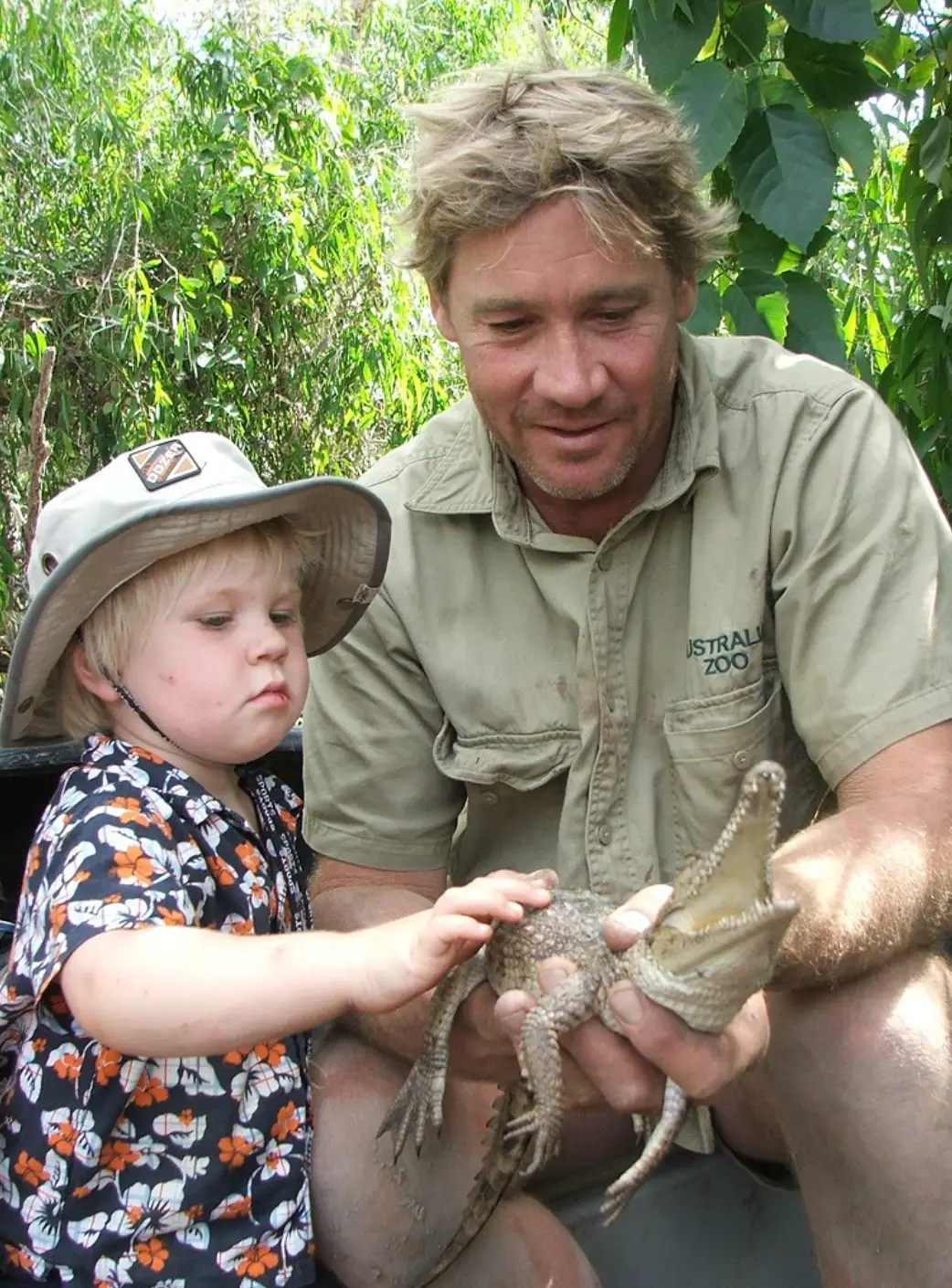
“The most important lesson that my dad taught me was this thing he used to always say, which is, ‘Treat every living being the way you would wish to be treated’,”
“And, you know, that’s that old saying, ‘Treat every person you come into contact with how you wanna be treated’.
“But he really extended that out to every animal, every plant, every person, every living being that you interact with should be met with the same level of care, appreciation, and respect that you would wanna receive.
“And I think that is something that I’ve kept with me for my whole life.”
Robert explained that this idea goes far beyond human relationships and shapes how he sees the natural world as a whole.
“I think it’s very important. And if you treat everything with a sense of passion, with a sense of respect, and if you treat every living being with respect, I think that’s very, very important.
“And I think there’s a lot of people who could take that on board.”
He also said that working with animals is one of the ways he feels most connected to his father’s memory and purpose.
“I feel the closest to his legacy, to what he was all about,” he says when asked about his work. “And I feel like my job is to echo the message that he created and to bring that message, that sense of fun and positivity, conservation, all of that to a new audience.
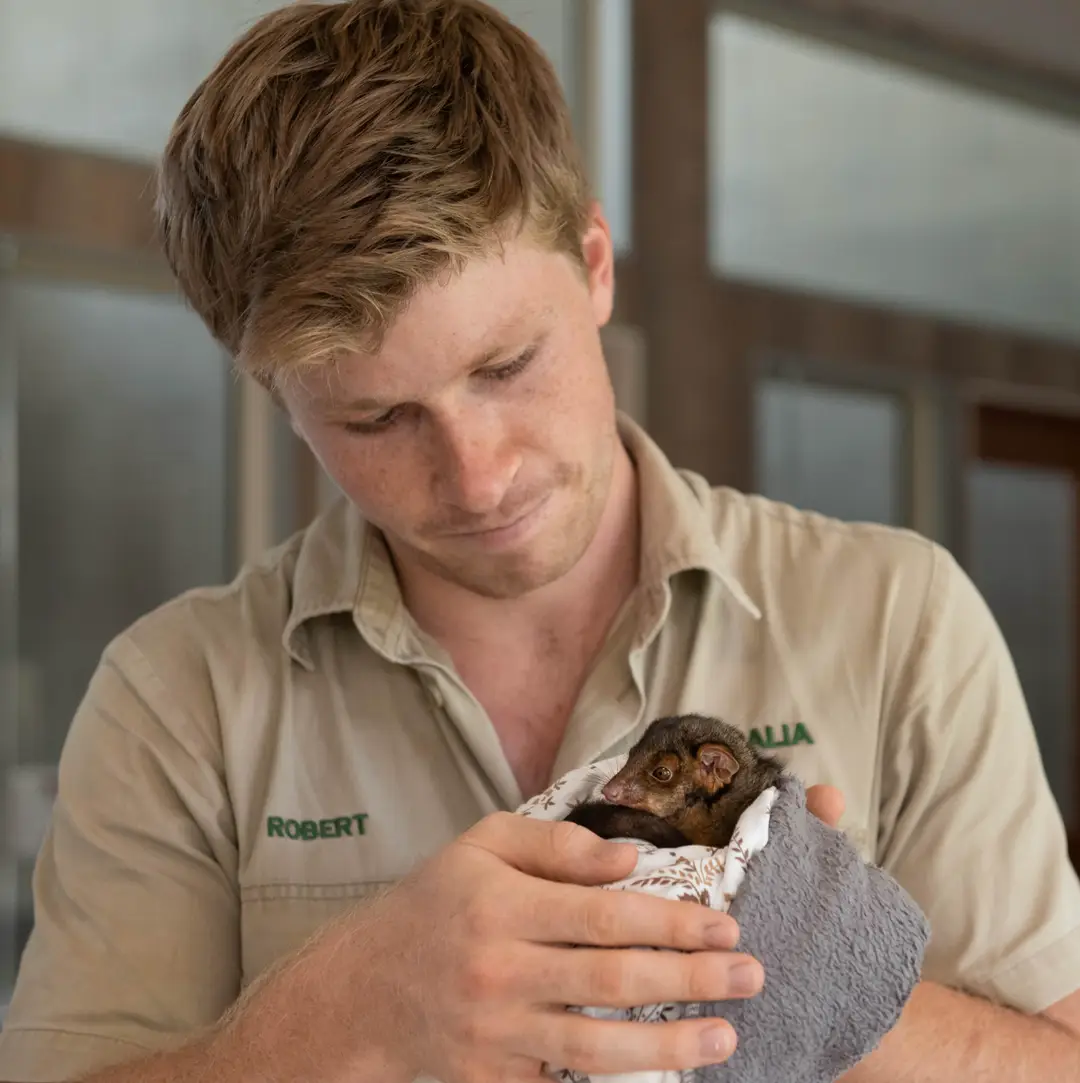
“And it is such an honor to do that. When I’m around people who share that sense of passion, you know, I realise… He would be very proud, I think, of the direction the world is heading and the people who are trying to unify, you know?
“He was a unifying voice more than anything else. He wanted people to get involved in conservation through the lens of fun and enthusiasm and joy and hope and optimism and all of that.
“And that is very, very important to me. And his legacy and the way he conducted himself is something that will always be like my North Star, for sure.”
Later in the conversation, Robert also revealed the animal he holds above all others.
His answer was the saltwater crocodile, despite a past encounter in which he was once ‘death rolled’ by one.
“We’ve been involved in world-leading crocodile research for a very long time, learning about this modern-day dinosaur,” Rob says. “And there’s a lot more to them than meets the eye.
“They’re affectionate, they’re very protective mothers, very intelligent creatures. And they’re also just the coolest.
“I mean, they’re a living dinosaur. What a boss! Those things are amazing. So yeah, crocodile’s my absolute favorite.”
Robert has said in other recent interviews that he still feels close to his father’s memory through his work at Australia Zoo and the conservation projects the family continues to champion.