

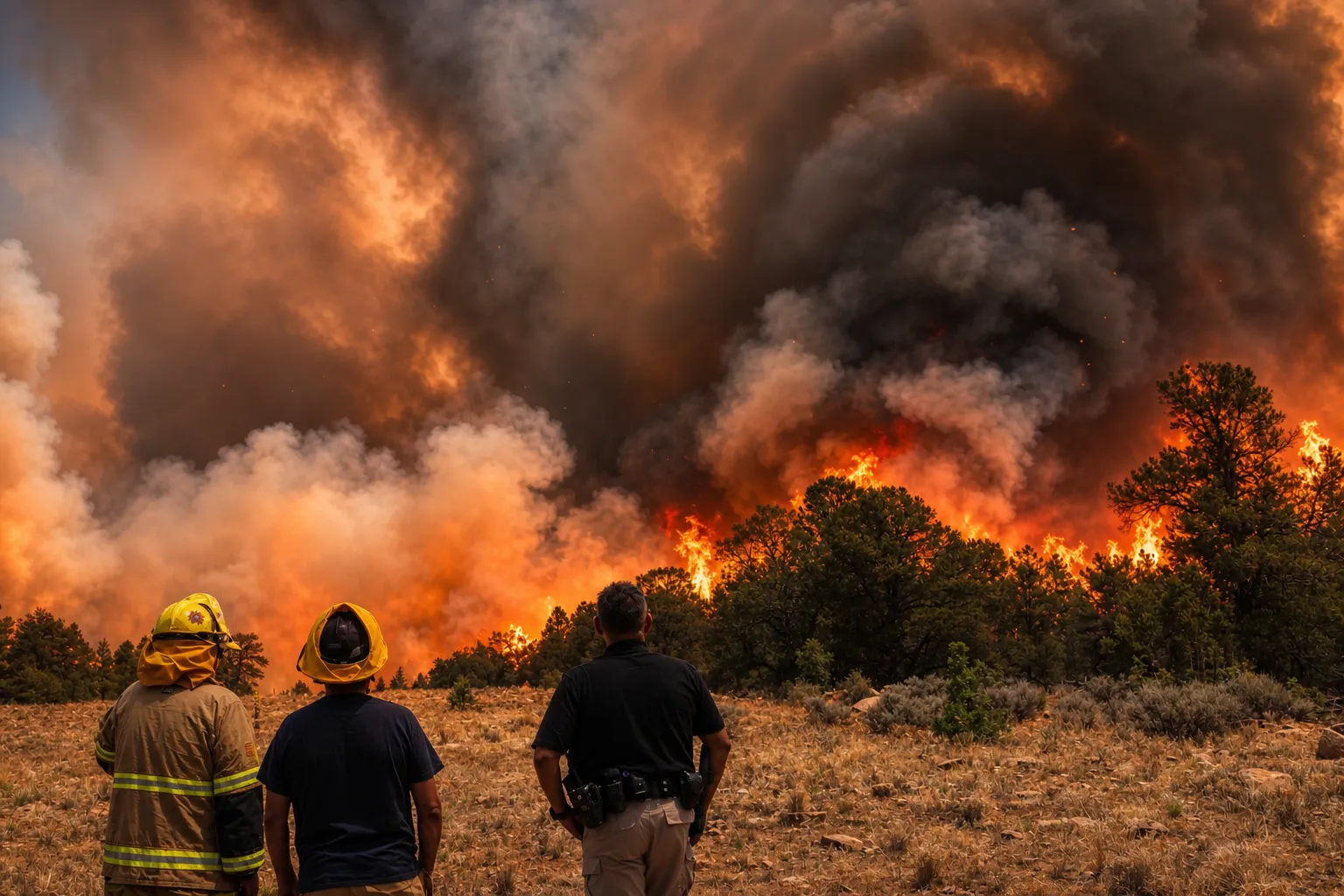
As America celebrates its 250th anniversary this Independence Day, one of the nation’s most cherished traditions faces unprecedented challenges. Fireworks and wildfires are colliding in dramatic fashion across the country, forcing officials in multiple states to take dramatic action and prompting serious safety warnings for those who plan to celebrate with consumer pyrotechnics.
The numbers tell a stark story. Fireworks cause approximately 32,000 fires annually in the United States, but on July 4 alone, the danger spikes dramatically. Fire departments typically respond to about 840 brush, grass and forest fires each day, but on Independence Day, that number skyrockets to roughly 4,430, more than five times higher, making it the busiest day of the year for fireworks-caused wildland fires. Research shows that nearly twice as many wildfires are recorded on July 4 as on almost any other day in the Western United States.
This year’s conditions are particularly dire. Much of the country is experiencing moderate to severe drought, with the West and Great Plains facing extreme or exceptional drought conditions. In the first half of 2026, the U.S. Experienced more wildfires than in the first half of any of the previous 10 years, which includes some of the country’s worst fire years on record. Large parts of the West and Great Plains, including areas of Oklahoma, Nebraska and Utah, have seen wildfires force entire communities to evacuate.
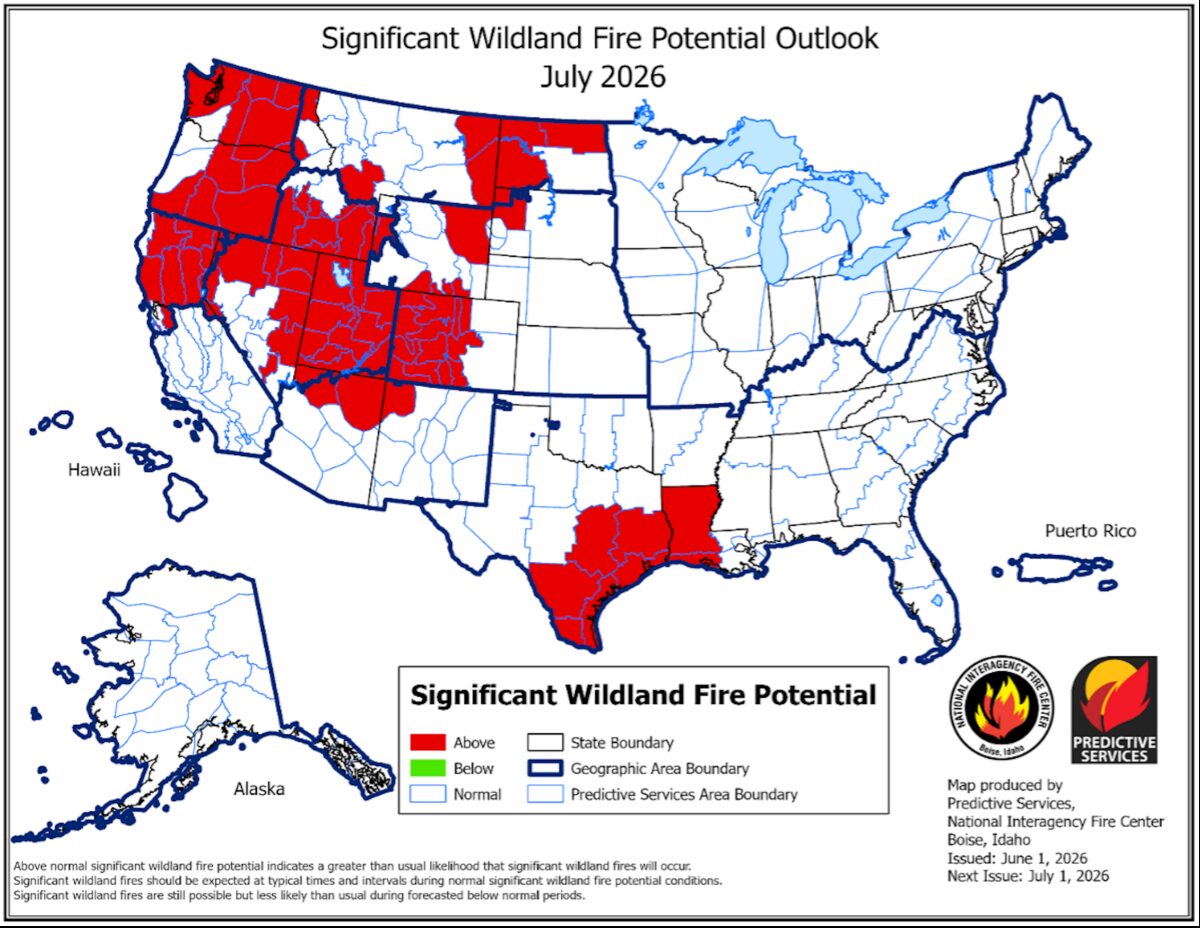
Heat compounds the danger exponentially. A recent study found that 42 percent of all land burned in the West from 2001 to 2024 happened during or right after a heat wave. Large parts of the U.S. West and Southeast are forecast to see above-normal heat along with dryness through early July. In hot, dry conditions, it doesn’t take much to ignite a fire. Dry vegetation—trees, shrubs and grasses—provides abundant fuel, and a windy day can substantially raise the risk of a runaway fire that spreads rapidly across the landscape.
The situation has prompted unprecedented action from state officials. Utah Governor Spencer Cox issued a statewide emergency order restricting all personal fireworks through July 5, an extraordinary step described as difficult but necessary. Cox stated that firefighters are witnessing “fire behavior that even our most experienced firefighters say they’ve never witnessed before.” In Utah, 94 percent of the state is in severe or extreme drought conditions, and during the 2026 fire season, 354 fires have already started, affecting over 141,000 acres. More than 75 percent of wildfires in Utah have been human-caused, and state officials determined the danger to lives, homes and firefighters was simply too high to allow personal fireworks use.
Other states and local governments are following suit. In Nebraska’s panhandle, several counties have prohibited consumer fireworks following the nearly 40,000-acre South Fork Fire earlier in the month. In Alliance, Nebraska, officials have banned the sale and discharge of consumer fireworks within city limits, with violators facing fines up to $1,000, confiscation of their fireworks and possible arrest. Colorado has imposed Stage 1 or Stage 2 fire restrictions in several counties that bar personal fireworks, including Mesa, Garfield and Summit counties. Some Colorado cities, including the mountain resort of Vail, have already cancelled their professional Independence Day fireworks displays, while Aspen is replacing fireworks with a drone show.
Texas has not issued a statewide ban like Utah’s, but Governor Greg Abbott has renewed fire-weather and drought disaster proclamations covering numerous counties, and several counties have adopted official orders restricting certain fireworks in unincorporated areas. New Mexico has prohibited fireworks on certain lands, while Oregon and Washington have issued statewide July Fourth safety reminders urging residents to check local restrictions. In Colorado, some cities including Alamosa and Rifle have cancelled fireworks displays out of caution for wildfire danger.
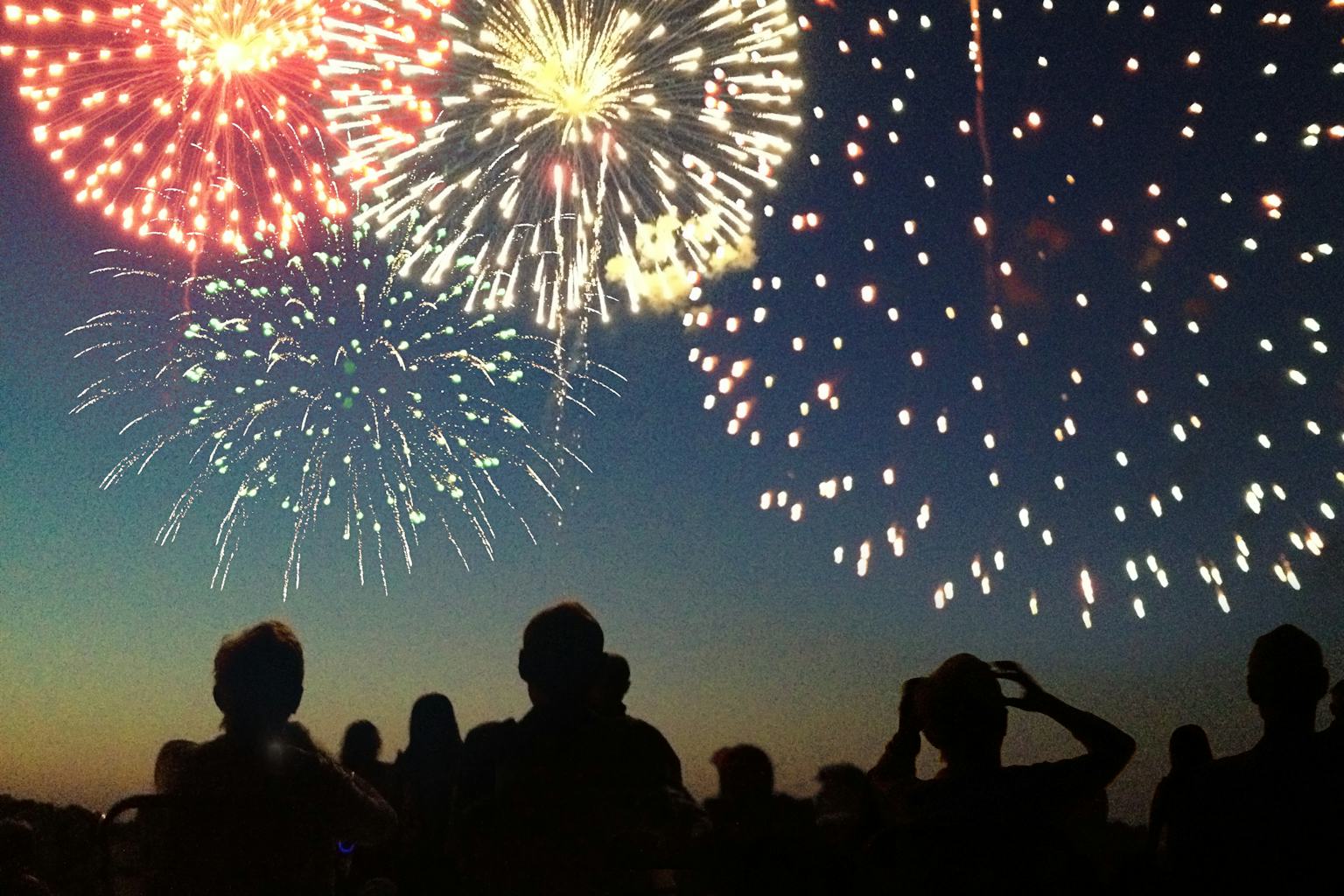
Even areas not issuing outright bans are seeing widespread impact. Many states and drought-plagued regions have already implemented commercial fireworks bans for community safety. Professional fireworks shows are being canceled in multiple locations. However, fire officials continue to encourage attendance at professional public displays, which are conducted by trained personnel with proper safety measures and firefighters on standby.
The stakes extend beyond wildfire risk. Fireworks also present serious injury dangers. In 2025, the Consumer Product Safety Commission reported 15 fireworks-related deaths and approximately 13,000 injuries, with burns accounting for about 38 percent of emergency room visits. Hands and fingers accounted for 35 percent of injured body parts, while the head, face and ears accounted for 22 percent. The 15 to 24 age group reported the largest share of injuries. An estimated 1,300 emergency room-treated injuries involved sparklers alone, often considered a “safer” alternative despite burning at approximately 2,000 degrees Fahrenheit—hot enough to cause third-degree burns and melt some metals.
Children face particular risk. Emergency rooms see thousands of fireworks-related injuries each July Fourth, including burns, eye trauma and hand injuries. The American Academy of Pediatrics recommends families leave any fireworks to trained professionals, while the National Fire Protection Association urges everyone to attend professional displays rather than use consumer fireworks. These shows are typically cheaper, safer for everyone and far more spectacular, according to fire safety experts.
For those who choose to use legal consumer fireworks despite warnings, safety precautions are essential. Experts recommend confirming local laws first, purchasing only licensed products, and designating a safety officer for gatherings. Never allow young children to handle or light fireworks, including sparklers. If fireworks malfunction, never attempt to relight them; instead, douse them with water and let them soak for at least 20 minutes before disposal. Always keep water or a fire extinguisher nearby, light fireworks one at a time in open areas away from flammable materials, and never use fireworks while impaired.
As communities mark America’s 250th birthday this July Fourth weekend, the message from fire officials is clear: the celebration should not come at the cost of homes, lives or entire communities. Professional displays offer spectacular ways to commemorate the nation’s independence safely, while backyard fireworks present risks that extend far beyond individual injuries to threaten the safety of entire regions facing historic drought and wildfire conditions.