

The International Olympic Committee has rejected a formal request from Denmark’s parliament to grant separate Olympic team status to Greenland and the Faroe Islands, maintaining its longstanding policy that only independent states recognized by the international community can compete as autonomous teams at the Games.
The IOC’s decision comes roughly two weeks after Denmark’s parliament sent a letter to the International Olympic Committee on June 18 urging it to recognize the two semi-autonomous territories as independent National Olympic Committees and allow them to participate in the Olympic Games under their own flags. The proposal marked a revival of a similar request made twenty years earlier.
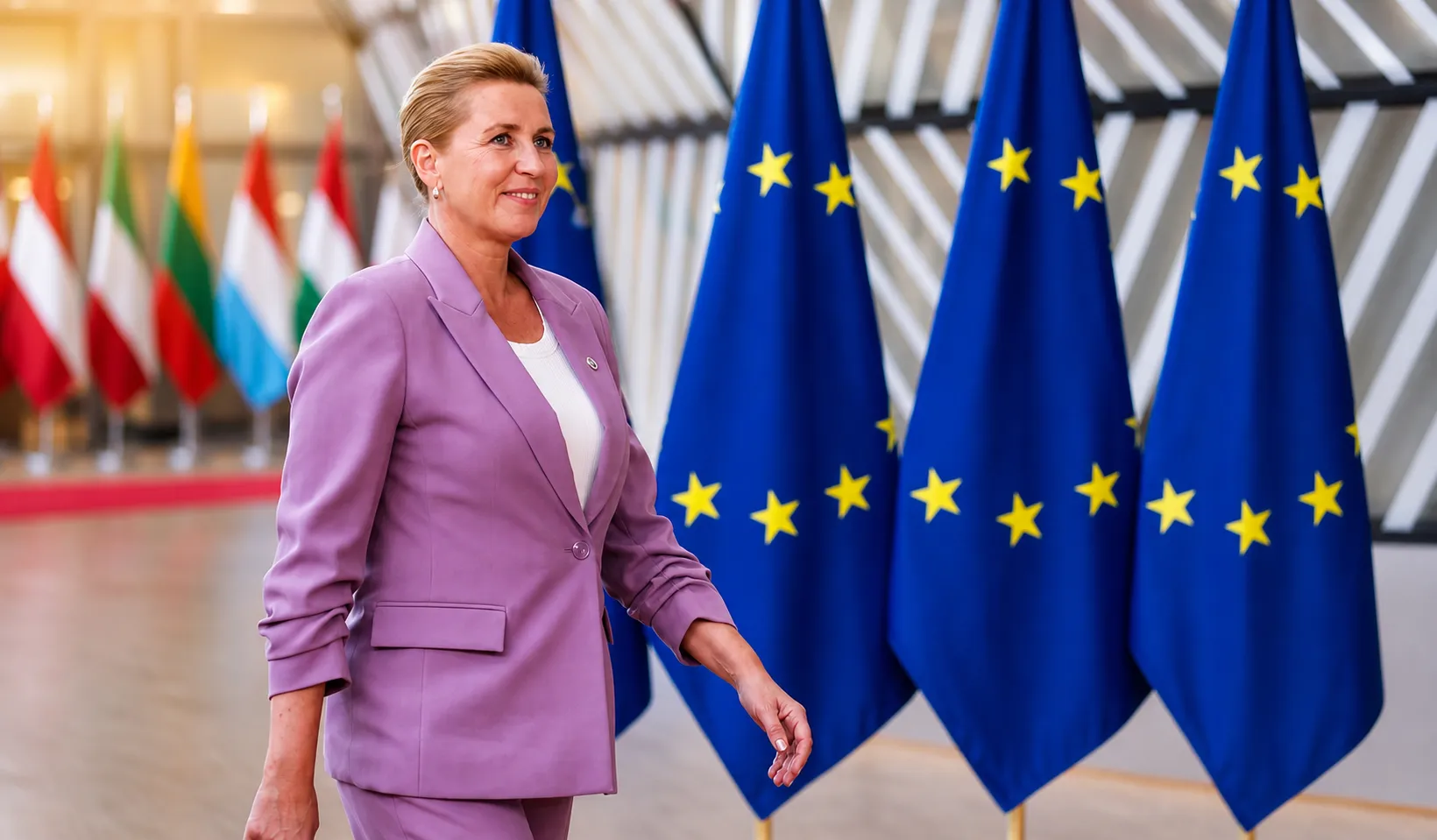
The request came at a politically charged moment, weeks after Prime Minister Mette Frederiksen formed a new coalition government and pledged strong support for Greenland in response to United States President Donald Trump’s expressed interest in acquiring the island. The timing underscored a broader push by Denmark’s leadership to strengthen the international standing of its territories.
However, the IOC’s policy stands firm. The Olympic body has held since 1996 that recognition can only be granted to territories that are independently recognized by the international community. The Olympic Charter formally defines a “country” eligible to compete as “an independent state recognized by the international community.” This standard means that while the IOC recognizes 206 national Olympic committees—13 more than the 193 member states of the United Nations—all of them represent sovereign territories.

Under current rules, athletes from both Greenland and the Faroe Islands must compete under the Danish flag. At the Milan Cortina Winter Olympics in February 2026, two biathletes from Greenland represented Denmark. The Faroe Islands, despite having a distinct cultural identity and governing its own domestic affairs, has similarly seen its athletes compete as members of Team Denmark at the Summer and Winter Olympic Games.
The territories have pursued international athletic recognition through other avenues. The Faroe Islands has competed in qualifying matches for international soccer tournaments since the 1992 European Championship and the 1994 World Cup. Both regions have also established memberships in various International Federations governing individual sports, and the Faroe Islands is recognized by the International Paralympic Committee, having competed in every Summer Paralympics since 1984.
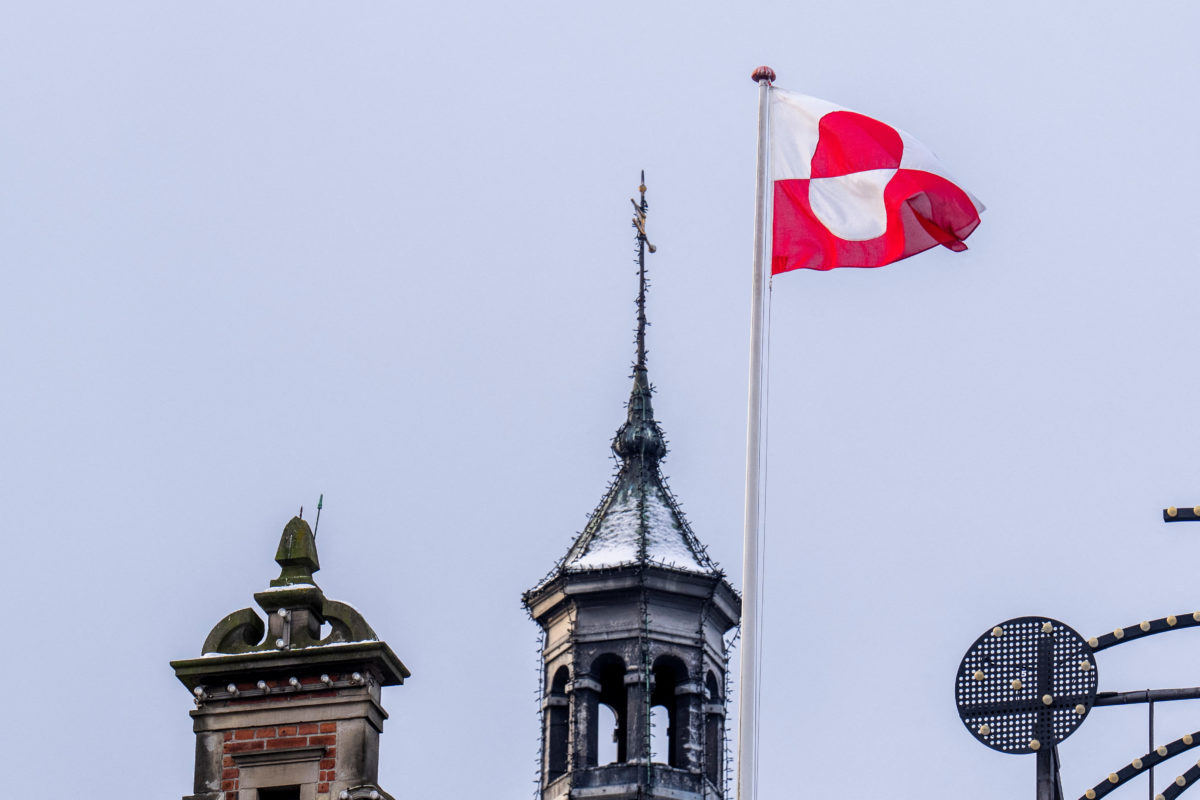
Denmark’s parliament acknowledged the long history of the proposal in its June 18 letter, noting that the request “revives a longstanding Olympic proposal previously made 20 years ago.” The letter framed the issue around principles of self-determination and equal international participation, stating that both territories have “sought broader international recognition of their distinct democratic institutions, societies, cultures and sporting identities within the Kingdom of Denmark.”
The parliament’s message recognized the IOC’s established practice while arguing for exceptions. It pointed out that some territories including Aruba, Bermuda, and Puerto Rico are permitted to field independent Olympic teams based on recognition granted before the 1996 policy change. The Faroe Islands, the letter noted, had actually applied for IOC admission in 1983, before the amended rules took effect.
Greenland in particular has been pushing for Olympic recognition for decades. Since 1996, Greenland’s leadership has made periodic attempts to secure independent status, each ultimately unsuccessful. Denmark itself has lobbied the IOC on behalf of both territories over the years, to no avail. The 1996 rule change effectively closed the door to new independent recognition unless territories achieved full independence recognized by the United Nations.
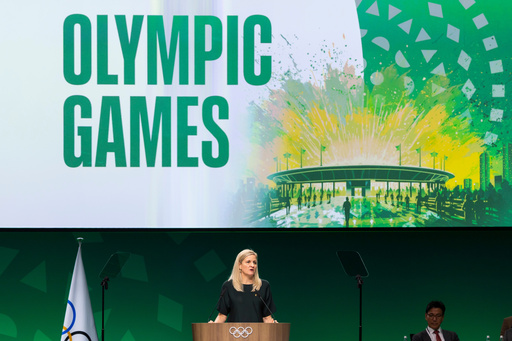
The IOC’s decision maintains consistency with how it has handled similar requests throughout recent decades. Recent independent recognitions by the IOC have gone exclusively to new states: Kosovo was recognized in 2014 and South Sudan in 2015, both having achieved international recognition as sovereign nations.
Denmark’s diplomatic efforts reflect broader efforts by the Frederiksen government to reinforce Greenland’s distinct international standing amid geopolitical tensions. The new coalition government has made clear that Greenland’s sovereignty and autonomy are central priorities, signaling that it will continue to advocate for enhanced international recognition of the territory across various forums, even if the Olympic venue remains closed for now.