


Rep. Maxwell Frost, a Florida Democrat first elected to Congress in 2022 at age 25, sent a letter to Consumer Financial Protection Bureau Acting Director Russell Vought urging an investigation into the growing “rent now, pay later” industry. Frost’s request comes as Americans struggle with housing affordability and turn increasingly to these payment-splitting services to manage monthly rent obligations.
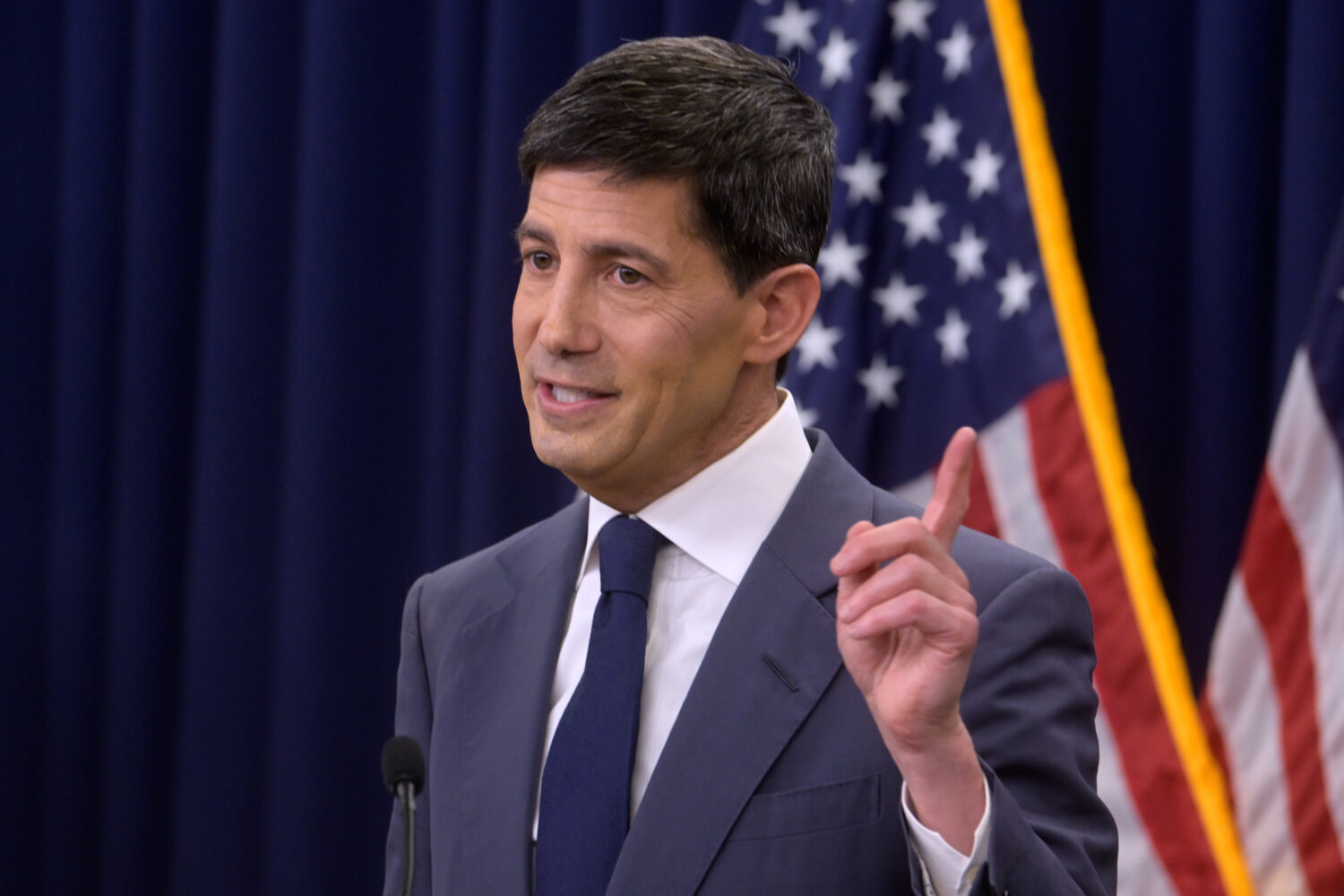
The issue strikes a personal chord for Frost. He has disclosed that as a young congressman furnishing his first Washington apartment, he frequently used buy now, pay later services to cover furniture and rent, which he said put him heavily into debt. Only because he makes a substantial congressional salary was he recently able to pay off those debts. Frost said he believes his experience mirrors that of many other young Americans facing similar financial challenges.
“Rent now, pay later” companies like Flex and Livble allow renters to split monthly rent payments into smaller installments throughout the month. For example, a renter with a $1,000 monthly rent bill might pay in four weekly payments of $250 or two payments of $500. The buy now, pay later company Affirm has also conducted limited trials allowing customers to split rent into multiple payments, typically into two biweekly installments at zero percent interest for qualifying renters.
The companies argue these services help renters manage cash flow, particularly benefiting those with unpredictable paychecks or gig economy workers. Flex, one of the largest such services, reports 1.5 million customers sending about $2 billion in monthly rent through its system. The company says most users are lower-income renters with a median credit score of 604. However, financial experts and consumer advocates warn that the fees and charges associated with these services can add significantly to already-stretched budgets.
Reports show users paying as much as $50 monthly in fees to split their rent. Flex, for example, charges $14.99 in membership plus one percent of the payment amount. For someone paying the national median rent of $1,357, that would equal $29 in fees monthly on top of the actual rent. Some services charge anywhere from $30 to $40 per transaction or offer varying fee structures tied to the payment amount.
More troubling to critics are claims about the underlying costs and structures of these products. A joint investigation by Protect Borrowers and Towards Justice released in February found that some rent now, pay later loans carry interest rates exceeding 180 percent, making them substantially more expensive than alternatives. The report characterized these loans as short-term, high-cost products “little more than repackaged payday loans” that capitalize on renters’ financial desperation. The groups alleged that some lenders use tactics regulators have cited as violating federal law, demand direct access to bank accounts, and employ debt collection strategies that may already be illegal under federal consumer protection statutes.
Customer service failures represent another concern. The investigation revealed that renters have complained to regulators and posted on social media about companies failing to deliver promised services or lacking basic customer support. Some tenants reported being unable to reach representatives to resolve issues, potentially leaving them at risk of eviction through no fault of their own.
These concerns arrive as renters face significant affordability challenges. According to recent Census Bureau data, more than half of the 45 million U.S. Renter households are cost-burdened, spending at least 30 percent of their income on housing. Rents have jumped nearly 28 percent over the past five years, according to the Bureau of Labor Statistics, leaving many households struggling to afford housing while managing stagnant wages and rising costs elsewhere.
Frost’s letter specifically asks the CFPB to investigate whether landlords are steering tenants toward rent-financing products. He also requested the bureau explain what safeguards it is implementing to protect renters and whether these companies are complying with federal consumer financial protection laws.
The timing of Frost’s request reflects frustration with the current regulatory environment. The Consumer Financial Protection Bureau has significantly curtailed its work under the second Trump administration. Under Acting Director Russell Vought, the bureau has rolled back regulations and guidance, dropped enforcement actions, and moved to rescind previous agency activity. Other calls by members of Congress for bureau investigations have largely gone unanswered, and the bureau did not immediately respond to requests for comment on Frost’s letter.
Vought’s tenure at the CFPB will end this summer. President Trump has nominated Brian Johnson, a former Capital One executive who previously held a high-ranking position at the bureau during Trump’s first term, to be the next permanent director.
Frost acknowledged the political headwinds he faces. “I’m not holding my breath for the Trump administration to do the right thing, but this is the first step of many we can take to make sure these products are used correctly and Americans are protected,” he said. He added that if the bureau does not act on buy now, pay later and rent now, pay later companies, he hopes to use information gathered from his letter to propose legislation if Democrats take control of Congress.

Consumer advocates have called for stronger federal oversight as these products proliferate. Some states are taking action independently. New York enacted nation-leading regulations in 2025 establishing a comprehensive licensing and supervision framework for buy now, pay later providers, with requirements for clear disclosures, dispute resolution standards, fee limits, and data privacy protections. However, broader federal regulation remains uncertain, with the CFPB having withdrawn its buy now, pay later interpretive rule in May 2025 and announced it does not intend to reissue one.
Experts emphasize that while rent splitting services may provide short-term flexibility, they do not address the fundamental affordability crisis driving renters toward such products. Financial analysts warn that relying on installment plans for recurring expenses like rent can mask deeper financial instability rather than solve it, and may lead consumers to overextend themselves by making housing appear more affordable than it actually is.