

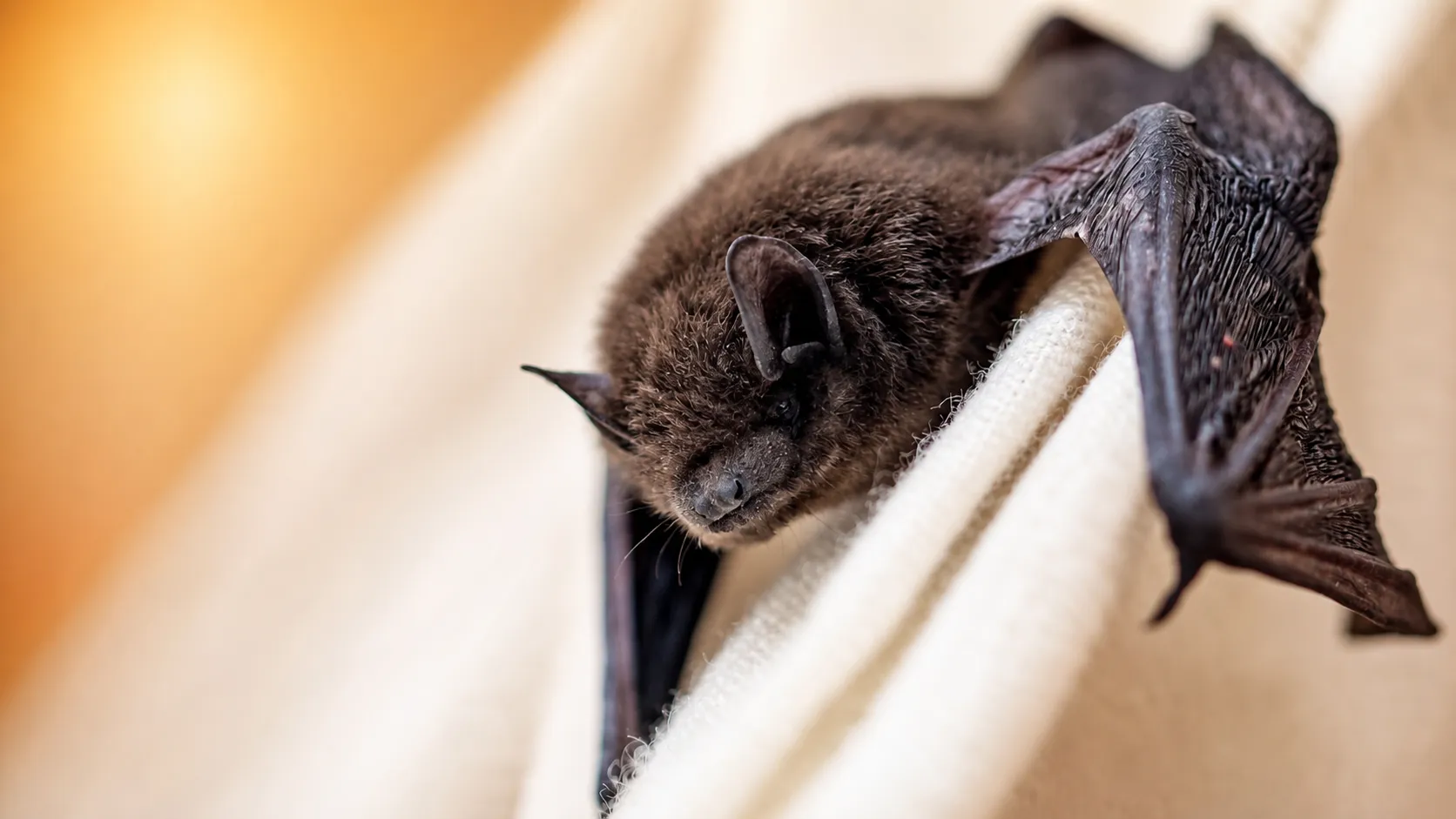
An 11-year-old boy in Ontario died after being exposed to rabies from a bat, even though there were no obvious signs that he had been bitten.
The case, documented in the Canadian Medical Association Journal in late June 2026, has been used by doctors to reinforce a stark warning: any direct contact with a bat should be treated as a potential rabies exposure, even when no bite marks or scratches are visible.
The incident happened during the summer of 2024 while the boy and his family were staying at a cottage in northern Ontario. He woke up to find a bat resting on his nose and mouth.
According to the case report, the boy was asleep when the bat came into direct contact with his face, and his father removed the animal by catching it in a pan and then releasing it outdoors. At the time, the family had no indication that the encounter could turn serious.
His parents did not seek medical care immediately because there were
‘no apparent bite or scratch marks’
Just under three weeks later, the boy became unwell, and 19 days after the contact with the bat, he was taken to an emergency department.
Doctors noted symptoms including
‘vomiting, facial [tingling] and numbness.’
He was diagnosed with rabies, a disease that is almost always fatal once symptoms begin. Human rabies in Canada is extremely rare, but bats remain the main source of domestic exposure, and the boy’s case was the first locally acquired rabies death in Ontario since 1967.
Health experts are now using the case to highlight an important warning: any direct contact with a bat should be treated seriously, even if no bite or scratch can be seen. Public health guidance in Canada and the United States recommends immediate assessment after bat contact, because bites can be tiny and easy to miss, especially if a person is asleep or startled.
Dr Brian Hummel, a pediatric infectious disease specialist at McMaster Children’s Hospital, stressed that point in the report.
“Any direct human contact with a bat, even in the absence of a visible bite or scratch, is an indication that [Rabies post-exposure prophylaxis] PEP [should be administered] and should be discussed with public health authorities,”
Post-exposure prophylaxis, or PEP, is urgent treatment that can prevent rabies if given before symptoms start. It typically includes wound cleansing, rabies immune globulin for people who have not been previously vaccinated, and a course of rabies vaccine. Once rabies symptoms appear, however, treatment is rarely successful.

The CMAJ report also underlined how quickly action must be taken after possible exposure. In Canada, current public health guidance advises that bat-related exposures should be assessed immediately, and that PEP should be started without delay when a meaningful exposure cannot be ruled out. That approach is especially important because rabies is almost universally fatal after symptoms develop, but it is preventable before then.
Speaking to CBC, Hummel said the family wanted the tragedy to help others understand the danger.
“It was important to us and to the family to take the opportunity to find learning experiences and lessons that we could take from his case to try and help spread awareness and understanding of rabies infection and risks.”