

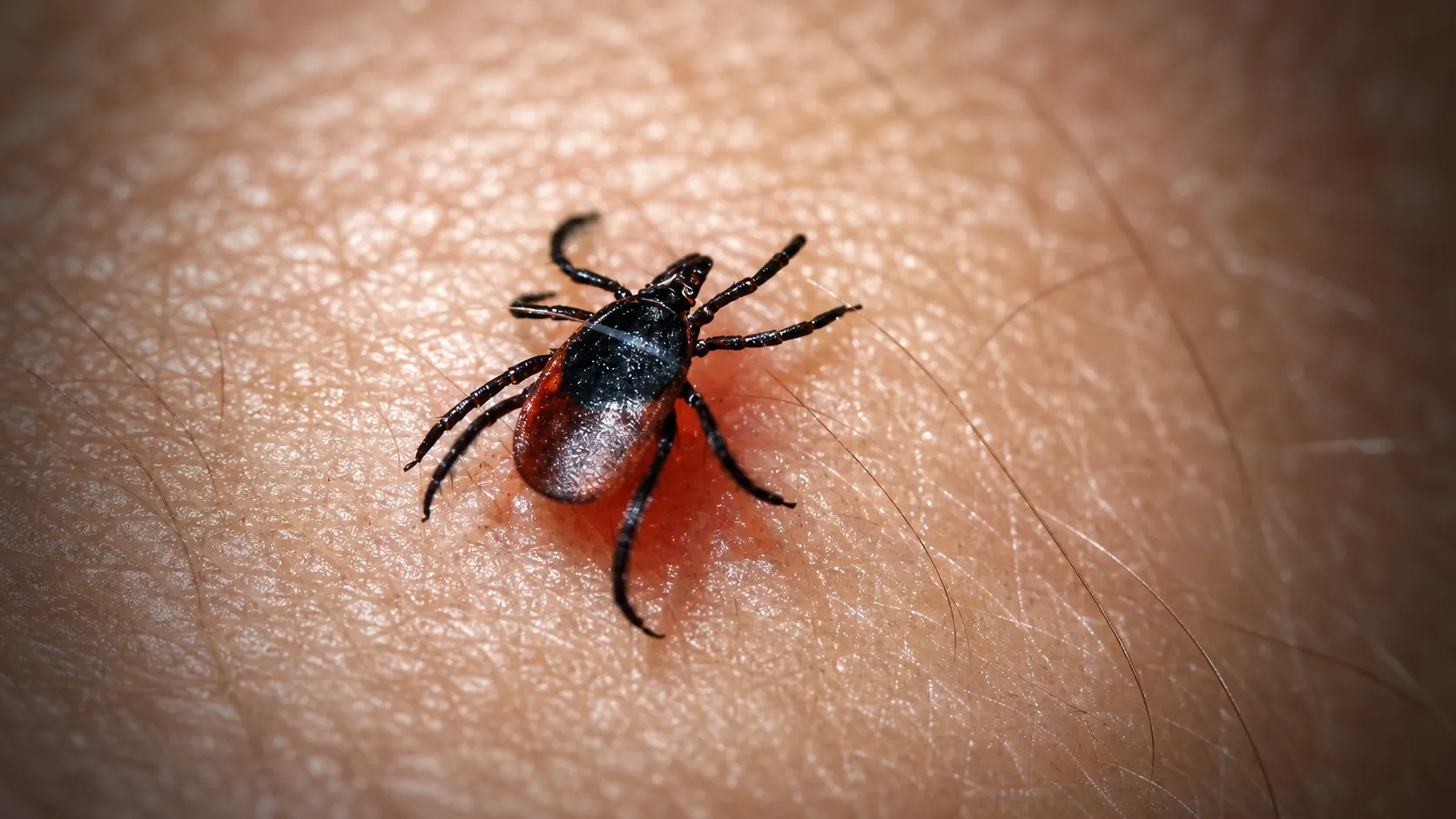
Health officials are on high alert following a sharp rise in cases of a potentially deadly tick-borne virus.
Powassan virus, first identified in 1958, has hit record levels in the United States, with reported infections climbing above previous annual highs.
The illness takes its name from Powassan, a town in Ontario near where it was originally identified.
Doctors first recognized the virus after a mysterious illness affected five-year-old Lincoln Byers in Canada, leaving medical experts searching for answers.
So far in 2025, 63 people in the US have been diagnosed with Powassan virus, according to CDC data released in 2026. That is a major increase compared with the previous yearly average of around seven cases, and it is far above the earlier record of 49 cases reported in 2023.
The virus spreads through the bite of infected ticks. The species linked to transmission are the groundhog tick (Ixodes cookei), the squirrel tick (Ixodes marxi), and the blacklegged or deer tick (Ixodes scapularis).
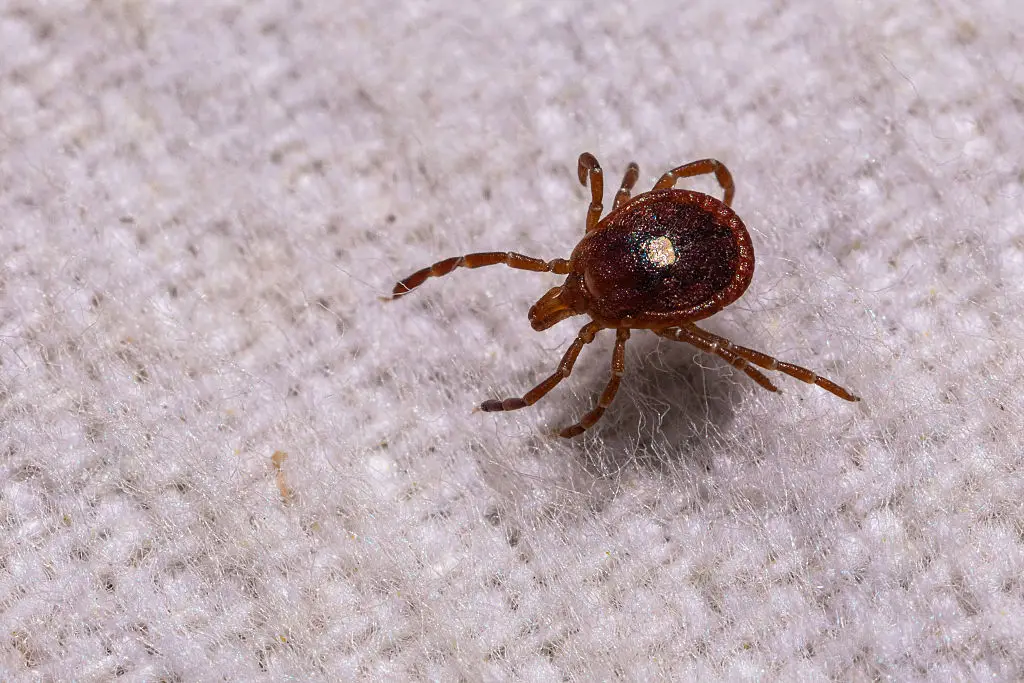
Most reported infections have been centered around the Great Lakes region and the northeastern US, where infected ticks are established.
Speaking to Fox News, Dr Jorge Parada, a medical advisor at the National Pest Management Association in Chicago, said:
“Powassan can be transmitted in as little as 15 minutes after the infected tick bites, while Lyme disease usually requires a 36- to 48-hour attachment time for transmission.”
That rapid transmission makes the virus especially concerning. In some cases, people may not realize they have been infected at all, and symptoms can take up to four weeks to appear after exposure.

According to the CDC, many people infected with Powassan virus never develop symptoms. For those who do, early symptoms can include fever, headache, vomiting, and weakness.
If the infection becomes more serious, patients can go on to develop confusion, loss of coordination, trouble speaking, and seizures.
Powassan virus can cause encephalitis, which is inflammation of the brain, or meningitis, which is inflammation of the membranes around the brain and spinal cord. Roughly 10 percent of Powassan cases involving severe neurological illness are fatal, and about half of survivors are left with long-lasting neurological problems.
There is currently no specific cure for Powassan virus and no vaccine to prevent it.
The CDC says supportive care is the main approach to recovery, including drinking enough fluids, getting rest, and using over-the-counter pain relief to manage symptoms.
People with severe illness may need hospital treatment to help with breathing, maintain hydration, or reduce swelling in the brain. Because the virus can also rarely spread through blood transfusions, people recently diagnosed with Powassan virus infection should not donate blood or bone marrow for 120 days after infection.
Experts say prevention is key: use insect repellent, wear long sleeves and pants, treat clothing with permethrin, and check carefully for ticks after spending time in wooded or grassy areas.