

UPS never required the detailed inspections needed to spot the problem that led to an engine flying off one of its cargo planes before it crashed in November 2025, even after Boeing recommended such inspections years earlier, according to newly released documents from crash investigators.
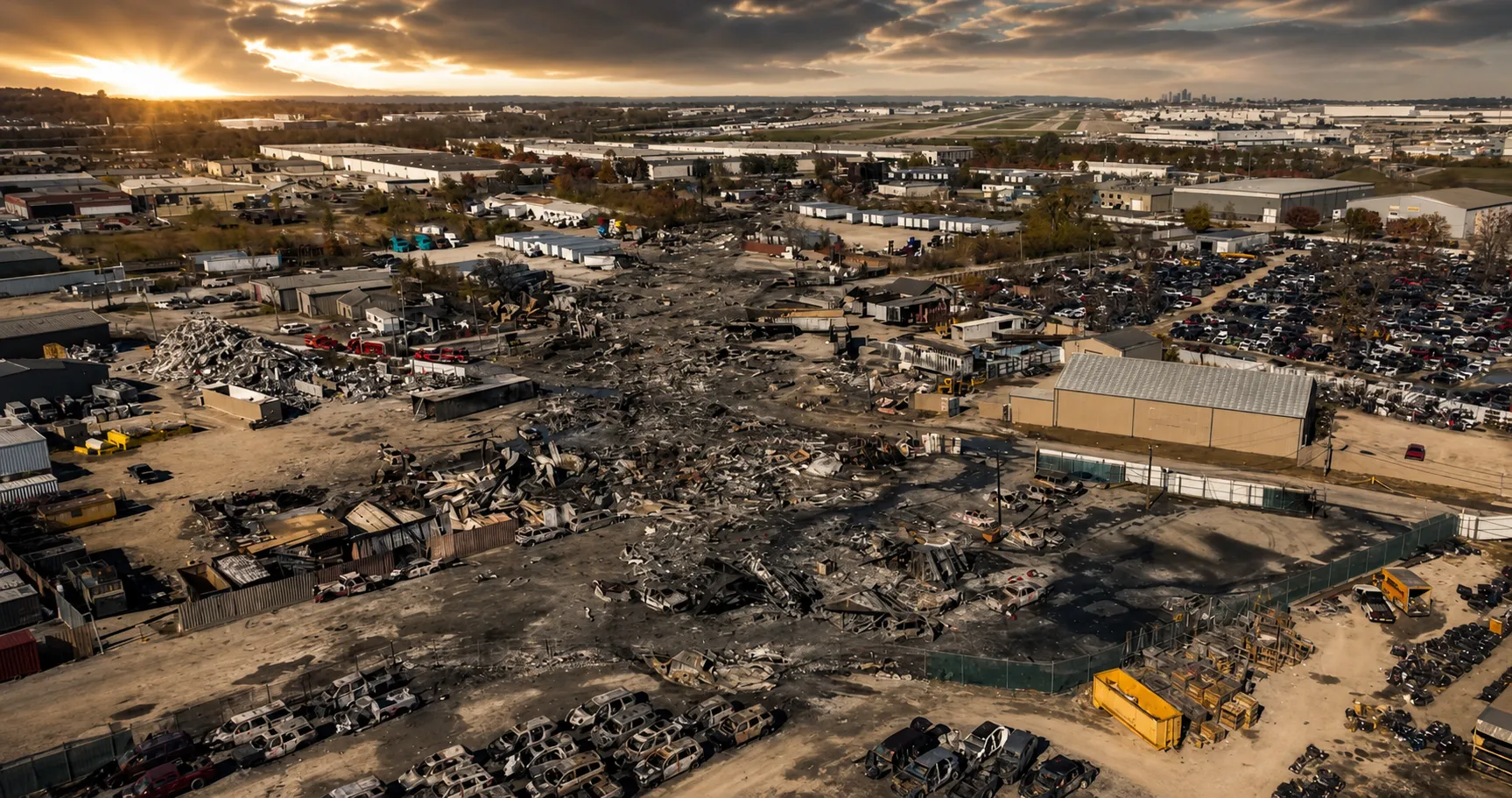
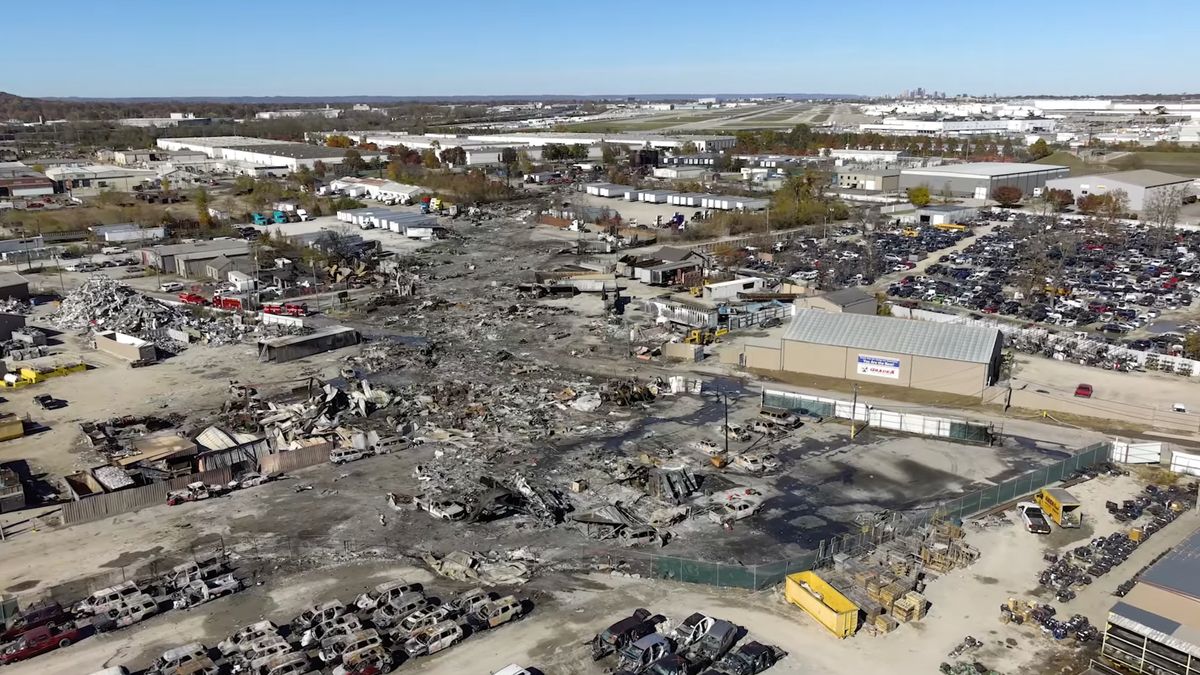
The deadly crash occurred at Louisville Muhammad Ali International Airport when a McDonnell Douglas MD-11 freighter separated from its left engine during takeoff rotation. The aircraft, heading to Honolulu with a full cargo load and fuel, rose only about 30 feet before crashing into an industrial area seconds after liftoff. The disaster killed all three pilots aboard and twelve people on the ground, with one additional fatality occurring weeks later from injuries sustained in the crash. Twenty-three more people were injured.
Crash investigators with the National Transportation Safety Board found a critical spherical bearing inside the engine mount that had fractured due to fatigue cracks originating around its entire circumference. The bearing is a key component that helps secure the engines to the wings of the aircraft. That failure in the mount ultimately led to the catastrophic separation of the left engine and pylon. According to documents released this week, UPS only required its mechanics to inspect the bearing area for corrosion, not for signs of actual bearing failure that would indicate the part was weakening.
The core issue centers on a gap between what Boeing recommended and what it officially required. While Boeing developed an enhanced inspection procedure for the spherical bearing and added it to the MD-11 maintenance manual, the aircraft manufacturer never incorporated that procedure into its federally approved maintenance schedule. UPS said it made the decision not to require the more detailed inspections based on Boeing’s assurances that the failure of the bearings would not jeopardize the safety of flight. In a statement to investigators, UPS said it was “relying on Boeing’s representations that the issue was not safety-of-flight” and determined that no additional changes to its maintenance program were necessary beyond what was already required.

The spherical bearings are tucked deep inside the pylons near the engine mounts, making them impossible to inspect thoroughly without removing each engine for detailed examination. This design challenge underscores why regular maintenance inspections alone would not have caught the problem developing in the UPS aircraft.
Boeing’s own actions contributed to the potential oversight. The aircraft manufacturer had successfully petitioned the Federal Aviation Administration to extend the inspection schedule for the critical lugs that secure engines to the wings of the MD-11. The inspection interval was relaxed from once every 19,900 flight cycles to once every 29,260 cycles, allowing airlines to consolidate major maintenance tasks and reduce aircraft downtime. Boeing pursued this schedule change even after receiving reports of seven bearing failures well before the planes had reached their original, more frequent inspection limits. Between the schedule relaxation and the crash, three additional instances of bearing problems were discovered but did not trigger wider alarm.
The aircraft that crashed had completed 21,043 flight cycles. Under the original inspection schedule, it should have received thorough detailed inspections. Under the relaxed schedule to which Boeing and the FAA agreed, it was not yet due for such comprehensive checks—it would have needed to complete roughly 7,000 more takeoffs and landings. The plane’s last visual inspection of the engine mount occurred in October 2021.
The history of failures extended beyond the UPS accident. FedEx and other operators of MD-11s reported at least 10 instances of bearing failures or related component problems over the years prior to the UPS crash, though it remains unclear what maintenance practices other carriers were employing. These recurring problems across multiple operators within the same aircraft type raised questions about why a stronger industry response was not triggered earlier.
Aviation safety expert Jeff Guzzetti, who previously investigated crashes for both the NTSB and FAA, said the failure involved “lots of subtleties and semantics” among the four main parties—Boeing, UPS, the FAA and the maintenance company STE San Antonio Aerospace. “But in the end, this got missed and to some degree, all four have some role to play in that,” Guzzetti said, noting that “safety is a shared responsibility.”
Boeing and Federal Aviation Administration officials have since acknowledged that they misunderstood the risks posed by the potential failure of the steel bearing and metal sheath in the engine mount before the crash. Neither realized that such failure could lead to the aluminum lugs that secure the engines to the wings breaking under the resulting stress. The design of the pylon included redundancy—two aluminum lugs intended so that if one failed, the other could carry the load. However, investigators determined that once the spherical bearing fractured, both lugs failed in a common-cause failure that defeated the intended redundancy.
In response to the crash, the FAA approved Boeing’s plan to replace the spherical bearings on all remaining MD-11 aircraft and increase inspection frequency significantly. Going forward, the spherical bearings will be replaced regularly after every 4,000 flight cycles. FedEx resumed flying its MD-11s in May after implementing these changes. However, UPS decided to retire all of its MD-11 cargo aircraft early following the disaster.
The NTSB is expected to issue its final report on the cause of the crash sometime later this year or early next year after completing its comprehensive investigation of all contributing factors.