

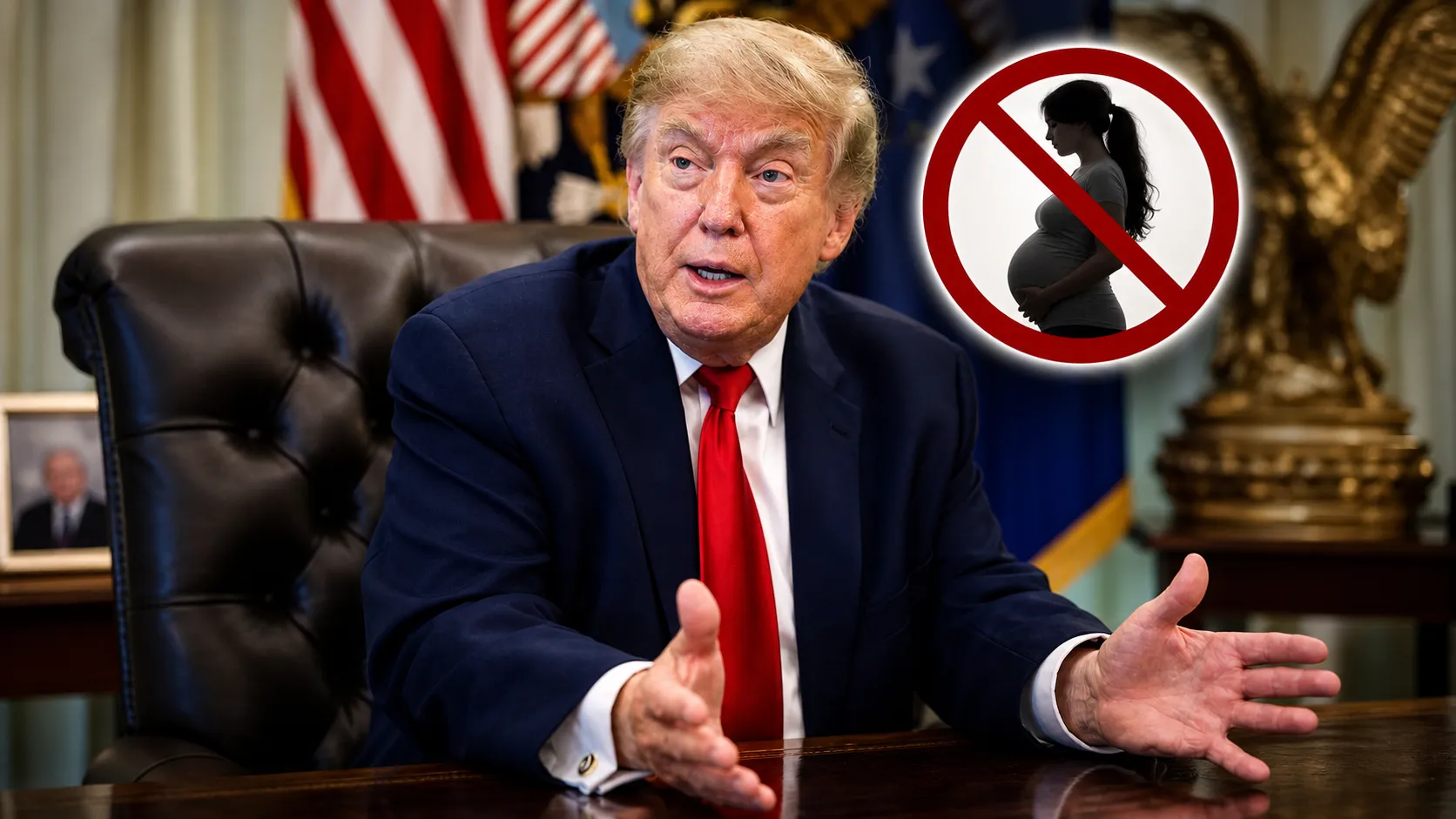
People who are pregnant may be refused entry to the US under measures now being explored by the Trump administration.
On June 30, 2026, the US Supreme Court rejected Donald Trump’s bid to end birthright citizenship, preserving the long-standing rule that largely gives US citizenship to babies born on American soil.
The administration’s latest immigration proposal is tied to its broader crackdown at the border. Officials say the aim is to curb so-called ‘birth tourism’, where someone travels to the US late in pregnancy hoping to give birth there so their child automatically becomes a citizen.
The issue has long been politically contentious, but the scale of it remains disputed. The Center for Immigration Studies has estimated that there were roughly 20,000 to 26,000 births to people on tourist visas in 2020, a figure that would amount to under one percent of the 3.6 million births recorded in the US that year.
Even with debate over how significant the issue really is, the White House appears set to continue with the plan, and officials have indicated they are looking at additional visa restrictions and enforcement tools rather than waiting on Congress.
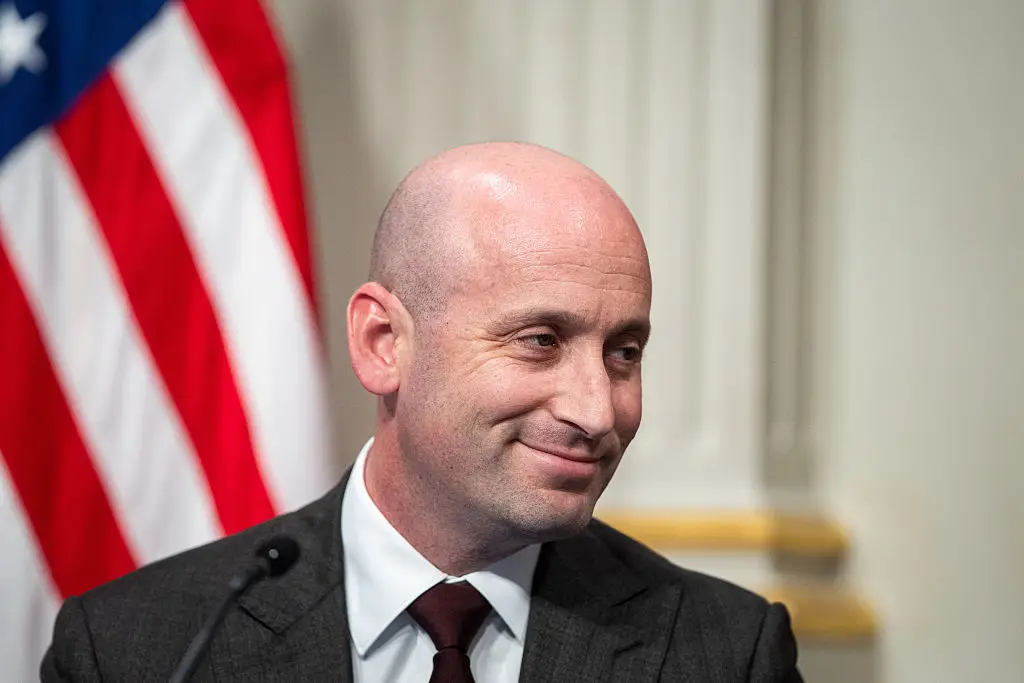
Speaking to The Telegraph, deputy chief of staff for policy and homeland security Stephen Miller said:
“You have to now think very carefully about who you let into your country, even on a temporary basis because of the possibility for birth tourism.
“That people come here just to have babies on American soil, and that baby gets to be a citizen for life.”
Miller added:
“If a person comes here nine months pregnant to go and look around at some things, in a couple of weeks that is the mother of a lifetime American citizen and a direct line into American cash and welfare for the rest of that child’s life.
“There are a lot of things we need to have a hard look at.”
The discussion comes after the Supreme Court blocked Trump’s executive order seeking to end birthright citizenship, with the justices rejecting it 6-3 on June 30.
The court found the move would conflict with the 14th Amendment of the US Constitution, which states:
“All persons born or naturalized in the United States, and subject to the jurisdiction thereof, are citizens of the United States and of the State wherein they reside.”
Vice President JD Vance also commented on the ruling, telling reporters:
“I don’t know how anybody can say that if a person who is an illegal alien, or a person for example who’s pregnant and comes to the United States on a vacation, they have a baby and all of a sudden their entire family gets the benefits of American citizenship … I don’t think that’s what the framers of the 14th amendment had in mind.”
Trump has repeatedly pointed to birth tourism as part of his argument for ending birthright citizenship.
During the Trump v Barbara case, which ended with the order being struck down by the Supreme Court, a lawyer for the government said that ‘no one knows for sure’ how large the birth tourism issue actually is.
Administration officials have previously argued that existing visa rules and fraud statutes could be used to target people who enter the US specifically to give birth, and a 2020 State Department rule already said tourist visas should not be used for the primary purpose of birth tourism. The new push appears to go further by considering whether pregnancy itself should be treated as a factor in visa screening and admission decisions.