

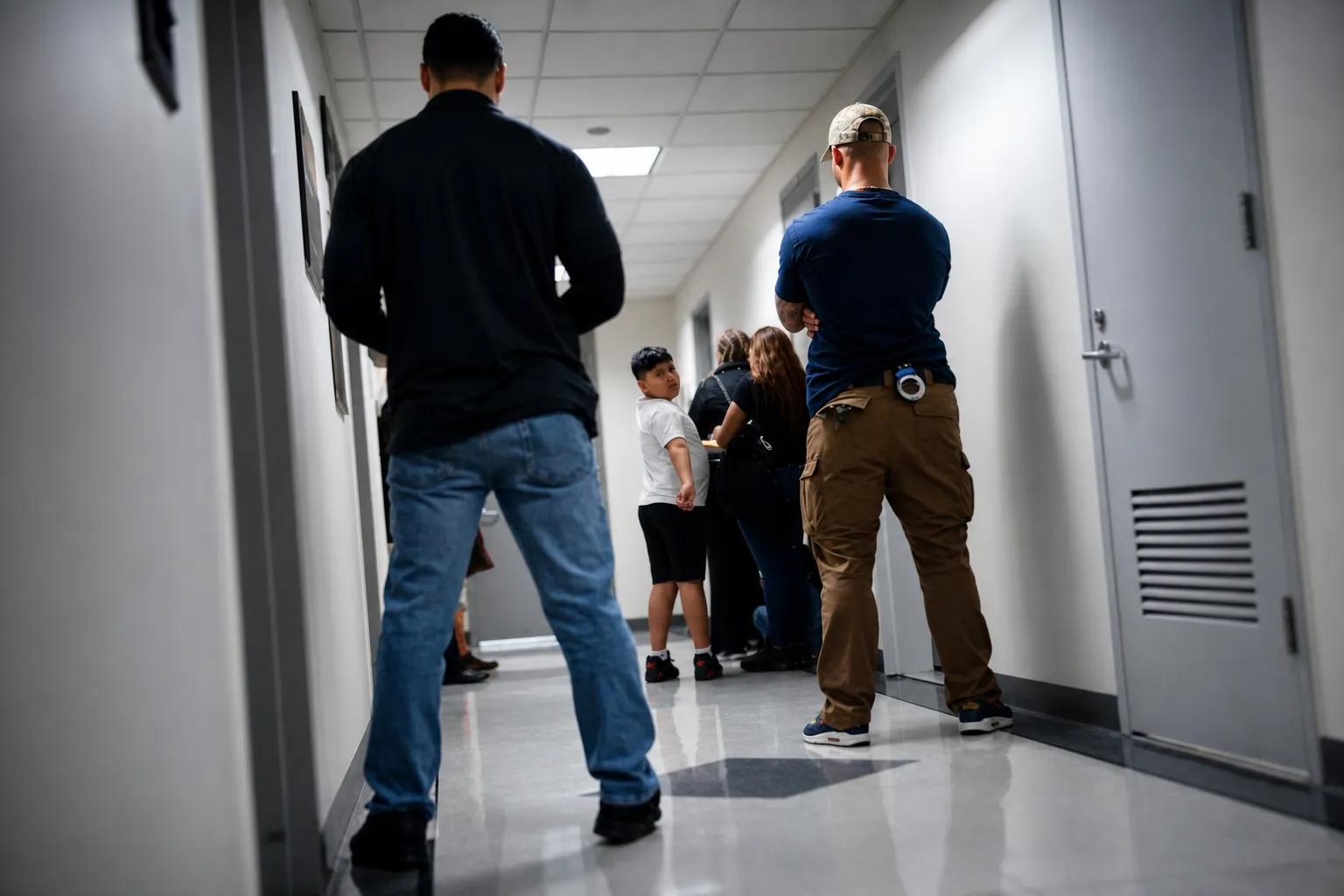
Immigration and Customs Enforcement arrested 10,000 people over a five-day period at the end of June, marking a major push by the agency tasked with carrying out the Trump administration’s mass deportations agenda. The arrest numbers, obtained from a person familiar with the information who spoke anonymously to discuss data that has not been publicly released, came after the agency shifted its approach from high-profile arrest sweeps in major American cities to quieter ways to reach President Trump’s deportation goals.
The total number of arrests during the five-day period starting Friday and ending Tuesday translates into roughly 2,000 arrests per day, a figure that represents a sharp increase from previous periods in the Trump administration. By comparison, December had the most ICE arrests since the beginning of the second Trump administration, averaging only 1,283 arrests per day nationwide. In January, when the administration flooded the streets of Minneapolis and surrounding regions with hundreds of immigration enforcement officers, arrests averaged about 1,212 per day across the country.
The spike in the arrest numbers comes as the agency continues advancing the administration’s immigration enforcement priorities, though with less publicity than earlier high-profile operations. The Department of Homeland Security issued a statement describing the arrests, saying that federal law enforcement has been delivering on what the department characterized as fulfilling “President Trump’s promise to the American people to arrest and deport criminal illegal aliens including murderers, rapists, pedophiles, gang members, and terrorists.”
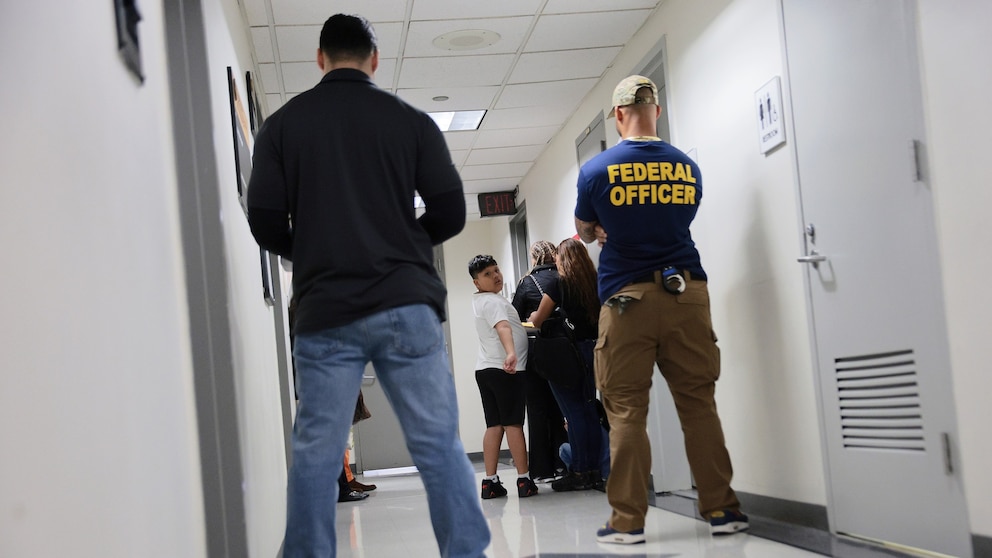
The shift toward quieter enforcement operations reflects a strategic change under new Homeland Security Secretary Markwayne Mullin, who took office in March after the controversial tenure of his predecessor, Kristi Noem. During his confirmation hearing, Mullin pledged to take a more low-profile approach to immigration enforcement and said his goal was to ensure the department did not dominate the headlines as it had under Noem’s leadership. This approach represents a departure from the highly visible enforcement operations that characterized the early months of the second Trump administration, particularly the sweeps in Minneapolis that resulted in the deaths of two American citizens by federal agents and prompted widespread protest.
Despite the lower visibility, the late-June surge demonstrates that arrest numbers continue climbing. The number of people entered into ICE detention facilities jumped in June to roughly 39,000, up from levels hovering around 30,000 per month since February. The increase reflects the administration’s continued focus on detention capacity and deportation operations, even as officials avoid the public attention that marked earlier phases of the crackdown.
The Trump administration has significantly expanded the infrastructure and resources available for immigration enforcement. Congress approved roughly 70 billion dollars in funding for ICE and Border Patrol through the remainder of Trump’s term, providing sustained financial support for the agency’s operations. The administration has also expanded the 287(g) program, which allows ICE to deputize state and local law enforcement officers to perform immigration enforcement duties under federal supervision. As of early July, ICE had signed more than 2,000 agreements under the program covering 39 states.
The Trump administration’s immigration enforcement push has placed unprecedented pressure on ICE and related agencies. The agency is recruiting aggressively, offering signing bonuses and student loan forgiveness to expand its workforce. The administration has set targets for officials to sustain 2,000 arrests per day moving forward, a rate that surpasses most prior periods of the administration’s tenure.
The late-June surge also reflects efforts to balance aggressive enforcement goals with reduced public controversy. After the fatal shootings in Minneapolis and criticism from both Democratic and Republican lawmakers, the administration appears to have sought ways to continue high-volume arrests while avoiding the visibility that drew national attention to enforcement tactics. This adjustment marks a strategic response to the political costs of highly publicized operations, even as the underlying enforcement intensity has not diminished.
The data on who is being arrested remains contested. The administration claims that most people arrested have criminal backgrounds, though independent tracking by university researchers and civil liberties organizations suggests a significant portion of those detained have no criminal convictions. The lack of publicly released arrest data makes precise comparisons difficult, as ICE does not regularly publish detailed statistics about enforcement operations.

The appointment of Lance Schroyer as the nominee for ICE director signals the administration’s intent to maintain aggressive enforcement priorities. Schroyer, a former Oklahoma state trooper with more than 29 years of law enforcement experience, was nominated by Trump in late June. If confirmed by the Senate, Schroyer would oversee the agency during a critical period as the Trump administration pursues its goal of deporting record numbers of immigrants. The nomination comes as ICE continues to operate under acting directors, a pattern that has persisted since the Obama administration.